What Color Thread for Quilting?
Choose a quilting thread that blends with the fabric for subtle stitches or contrasts with it to make quilting stand out. Test a strand on a fabric scrap and check it from a few feet away.
On this page (7 sections)
- What color thread should you use for a quilting top?
- How do you choose between blending and contrast?
- How should you test thread color before quilting?
- Which color works across a multicolor quilt?
- Should the bobbin thread match the top thread?
- How can you keep quilting thread organized?
- What is the simplest way to decide?
Choose a quilting thread that blends with the fabric for subtle stitches or contrasts with it to make quilting stand out. If you are piecing the quilt top, compare thread weight for quilt piecing before choosing a spool.
Test a strand on a fabric scrap and view it from a few feet away before committing.
Your best color depends on the quilt top, the quilting pattern, and how much you want the stitches to show. A thread can look very different on a spool than it does as small stitches across a large block.
What color thread should you use for a quilting top?
Use a thread close to the fabric color when you want the quilting to recede. Choose a contrast when you want the stitch path to become part of the design.
Start with the biggest areas of the quilt top. A color that works across a large background may be more useful than one that matches a small patch exactly.
For a top with many colors, decide whether your priority is a quiet overall finish or visible quilting. If the quilting crosses light and dark sections, test the thread on both before sewing.
How do you choose between blending and contrast?
Blending makes quilting less noticeable, while contrast draws attention to the stitching. Neither approach is always better; the right choice depends on the look you want.
A close color match can help a dense quilting pattern sit quietly behind piecing or prints. It can also make small variations in stitch placement less obvious.
A contrasting shade can define a geometric pattern or add another layer of color. It may also make skipped stitches, tension changes, and uneven curves easier to see.
For more help coordinating a thread shade with a design, see How to Match Thread Color to Design: Here’s How.
How should you test thread color before quilting?
Make a small sample with the top fabric, batting, and backing before quilting the full piece. Stitch the pattern or a few lines you plan to use, then inspect the sample in the light where the quilt will be seen.
Lay the sample flat and step back several feet. Close inspection can exaggerate thread differences that are barely visible at normal viewing distance.
Try more than one shade if the top combines light and dark fabric. A neutral that seems unobtrusive on one scrap may stand out strongly on another.
Does a color chart help you pick quilting thread?
A thread color chart helps you compare named shades, but a fabric sample shows how the color looks on your quilt. Use both when you have several close options.
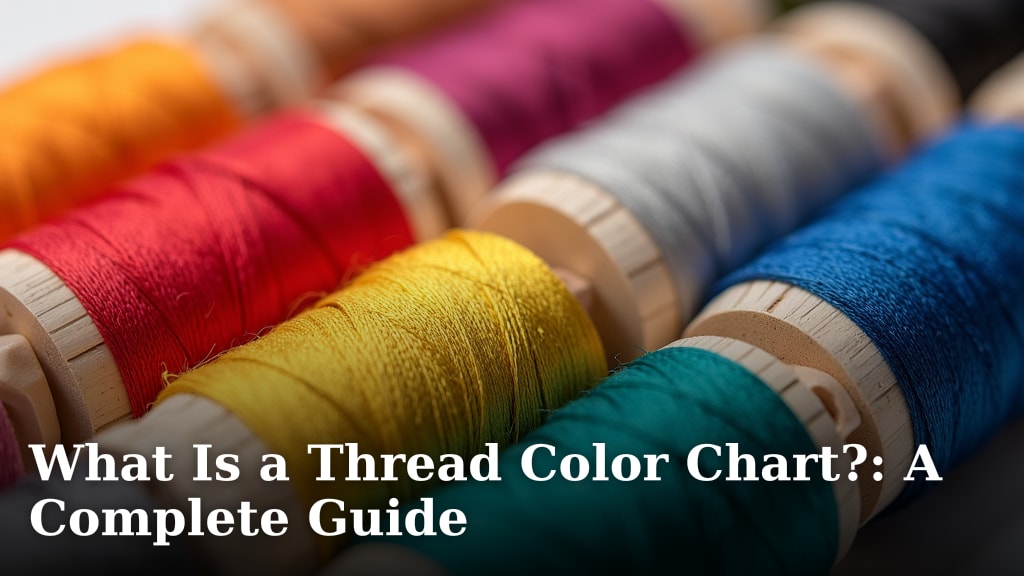
Charts can help narrow a broad color family before you test. For a primer on reading shades and references, see What Is a Thread Color Chart?: A Complete Guide.
If you are matching a specific embroidery thread line, the Isacord embroidery thread color chart can help you identify candidate shades. Check the chosen color against your actual fabrics before quilting.
Which color works across a multicolor quilt?
Choose a shade that supports the dominant fabric colors and the quilting design. A medium-value color may be less stark across a mix of light and dark patches, but test it rather than relying on the spool alone.
A neutral can work across varied prints when you want the quilting to stay in the background. A color repeated in several blocks can tie the stitching into the top.
If the quilting follows separate color areas, using different thread shades is an option. It adds thread changes, so consider whether the extra matching and setup are worth the effect.
Should the bobbin thread match the top thread?
The bobbin thread should suit the backing and the machine's stitch balance. A color mismatch can show if the tension is off or the stitching pulls one thread to the opposite side.
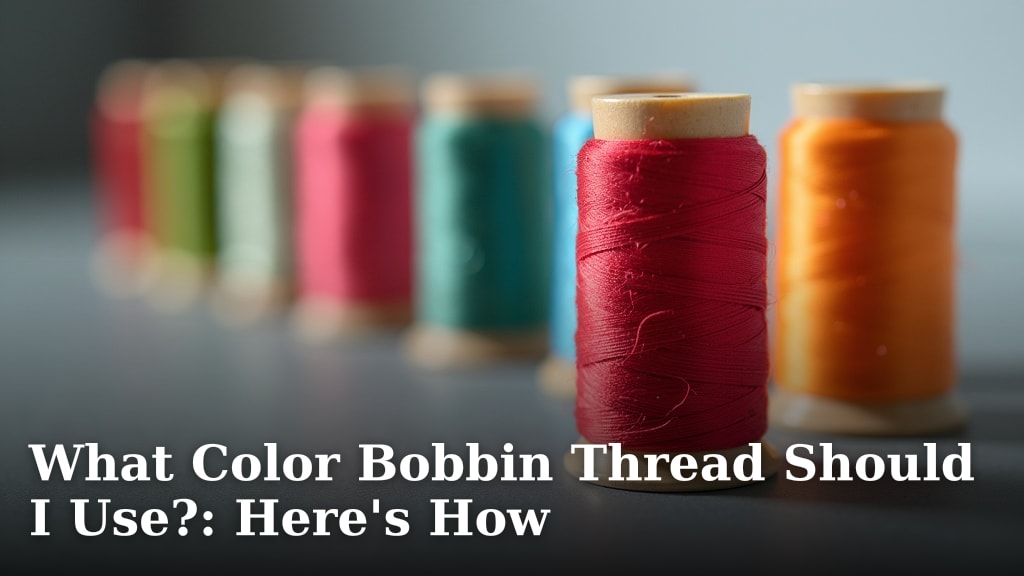
Test both threads together on a layered sample. If you want help choosing the underside shade, read What Color Bobbin Thread Should I Use?: Here’s How.
Use thread made for the machine and task. For help choosing sewing machine thread weight, see the guide.
If you are considering a different thread type, first read Can You Use Sewing Thread for Embroidery?.
How can you keep quilting thread organized?
Keep shades labeled and easy to reach so you can compare them with the quilt top. Separate similar colors or arrange them in a consistent order to reduce mix-ups during a project.
The ThreadNanny nets are reusable and sized to fit a range of spool and cone sizes, according to the brand's product description. They can help keep a chosen thread from loosening while you switch between shades.
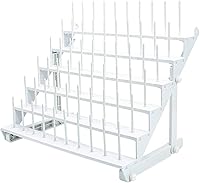
The Sew Tech rack can be mounted on a wall or placed on a table, and its pegs are removable. That flexibility may help if your quilting threads include different spool sizes.
The niffgaff holder has an adjustable guide and a nonslip base. It suits a setup where a large cone needs to feed into the machine from beside the work surface.
For cutting accurate quilt pieces before assembly, see these best sewing rulers for quilting.
What is the simplest way to decide?
Choose a quilting thread that blends if you want the stitches quiet and contrasts if you want them visible. Test the shade on a layered scrap, then check it across the quilt's lightest and darkest fabrics.
Use a chart to narrow your choices, and a sample to make the final call. Keep the selected spool and any bobbin thread together so you can repeat the setup when you return to the quilt.
Frequently asked questions
What color thread is best for quilting?
A thread close to the fabric color usually makes quilting stitches less noticeable, while a contrasting color highlights the stitch path. For a quilt with several colors, test a few likely shades on scraps from the top and view them from a normal distance before choosing.
Should quilting thread match the fabric?
It can match the fabric if you want the quilting to blend in, but an exact match across a multicolor top is not always practical. Choose a shade that works across the largest areas, or use more than one thread color if you want different sections to recede.
What thread color should I use on a quilt with multiple colors?
Try a medium-value neutral or a color that appears across several parts of the quilt, then test it on scraps. Light thread can stand out on dark fabric, and dark thread can show on light fabric, so consider the full top and the quilting design.
Can contrasting thread look good on a quilt?
Yes, contrasting thread can make straight lines, curves, or decorative motifs easier to see. It also makes uneven stitches more visible, so test the color and stitch length on a layered sample before quilting the whole top.