How to Use an Isacord Embroidery Thread Color Chart
Use the Isacord shade number to identify a color, then compare a physical thread sample with your fabric and design under your usual lighting. A chart narrows your choices, but a screen image can't show the thread's exact appearance.
On this page (8 sections)
- What does an Isacord embroidery thread color chart show?
- How do you find an Isacord shade number?
- How do you compare thread samples with fabric?
- Can you use a screen chart to pick a color?
- How do you compare Isacord with another thread brand?
- How can you keep Isacord spools easy to identify?
- What color should you choose for quilting or embroidery?
- How do you use an Isacord chart with confidence?
Use the Isacord shade number to identify a color, then compare a physical thread sample with your fabric and design under your usual lighting. A chart narrows your choices, but a screen image can't show the thread's exact appearance.
Start with the number printed on the spool, not a color name you remember. Then look up that number on an Isacord color chart and compare the chart with the actual thread before committing to a large design.
What does an Isacord embroidery thread color chart show?
An Isacord embroidery thread color chart connects shade numbers with color samples or names. It helps you find a spool, plan a design, and compare nearby shades.
Charts may appear as printed cards, downloadable files, or color swatches on a screen. A physical chart or spool gives you a more useful color reference than a screen, since screens can display the same shade differently.
For a fuller explanation of how charts work, see what a thread color chart is and how to read one. The key detail is that a chart is a guide, not a guarantee that the color will look identical on your fabric.
How do you find an Isacord shade number?
Read the number on the spool label and locate that number on the Isacord chart. Check each digit carefully before selecting thread, especially when several spools have similar colors.
If you're working from a digitized design, check its color sequence or thread instructions for the intended Isacord numbers. Match each number to a spool label, and keep the spools in sequence so you can follow the color changes while stitching.
Isacord embroidery thread color chart: what should you check?
Check the shade number, label, and physical thread together. If the chart gives a color name as well as a number, use the number to confirm the spool identity.
Don't assume two shades are interchangeable because their names sound alike. A nearby number may represent a noticeably different hue or depth, and the stitched result can look different from a small chart sample.
How do you compare thread samples with fabric?
Compare the thread against the actual project fabric, not just a color on your monitor. Lay a few strands or a small stitched sample on the fabric, then view them in the light where the finished piece will be seen.
For clothing, check the fabric in indoor light and daylight if the garment will be worn in both. For quilts or home decor, compare the sample in the room where the piece will be displayed.
If you're deciding between a close match and a contrast, the design itself can guide the choice. Our tips on how to match thread color to a design explain how fabric, stitch area, and the role of each color affect the result.
Should you stitch a sample before choosing?
Yes, stitch a small sample when an exact color match matters. Stitch density and the fabric beneath the thread can affect how a shade reads in the finished design.
Use a fabric scrap that matches the project as closely as possible. A sample lets you judge the thread in the actual stitch pattern, rather than relying on loose strands or a printed swatch alone.
Can you use a screen chart to pick a color?
A screen chart is useful for shortlisting shades, but verify the final choice with a physical sample. Brightness, color settings, and the room's lighting can all change what you see on a display.
If you don't own a printed chart, use the digital chart to identify a few likely numbers. Then compare those spools in person or use a stitched sample before starting a project where color accuracy matters.
How do you compare Isacord with another thread brand?
Use a conversion chart to find possible equivalents, then compare physical samples before substituting. Each brand has its own color range and numbering system, so a conversion is a starting point rather than an exact match.
Our embroidery thread color conversion chart guide explains how to move between brands. If you switch threads for a project, also check that the replacement is suitable for the machine and design.
Thread type matters as well as color. Read whether sewing thread can be used for embroidery before substituting a spool meant for a different purpose.
How can you keep Isacord spools easy to identify?
Keep spools organized so their labels and shade numbers stay visible. Sort by number, color family, or the order needed for a design, then return each spool to the same place after use.
A spool net can help contain a loose end between projects. ThreadNanny's 6 in spool nets are made to stretch around spools and cones, including metallic thread spools.
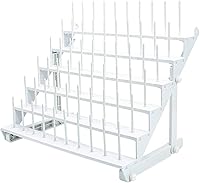
A rack makes it easier to see several labels at once. The Sew Tech rack holds up to 60 standard spools or about 30 large cones, and its pegs can be removed to change the layout.
For larger cones beside a machine, the niffgaff holder has an adjustable thread guide and a nonslip base. It supports an external feed path while leaving the machine's built-in spool area free.
For more ways to protect and arrange thread between projects, see how to store embroidery thread.
What color should you choose for quilting or embroidery?
Choose the shade based on whether you want the stitches to blend in or stand out. A close match can make stitching less noticeable, while contrast can make a design or quilting line more visible.
For quilting, consider the fabric across the whole top rather than choosing from a single patch. For quilt piecing, also consider thread weight for quilting.
Our guide to what color thread to use for a quilting top covers the blend-or-contrast decision.
For embroidery, compare the thread with the fabric and neighboring design colors. A color chart can help coordinate shades, but the physical sample shows how the color reads after stitching.
How do you use an Isacord chart with confidence?
Use an Isacord embroidery thread color chart to find the shade number, then verify the physical thread against your fabric. Pick a digital chart for quick shortlisting, and use a spool or stitched sample when the final color needs to be precise.
Choose a spool net if loose ends keep tangling, a rack if you need to see many shade labels, or an adjustable cone holder if a large spool needs an external feed. The chart identifies the color; your sample confirms it suits the project.
Frequently asked questions
How do I use an Isacord embroidery thread color chart?
Find the shade number on the chart, then compare that number and color with the spool label and a physical thread sample. Check the sample beside your fabric under the light you'll use to view or wear the finished piece.
A chart helps narrow choices, while a stitched test shows how the thread looks in the design.
Are Isacord thread color numbers the same across brands?
No. Thread brands use their own color names and number systems, so an Isacord number won't necessarily match another brand's number.
Use a conversion chart only as a starting point, then compare actual thread samples because similar chart colors can look different when stitched.
Can I choose Isacord thread color from a screen?
You can use a screen chart to shortlist shades, but display settings and lighting change how colors appear. Confirm your choice with physical thread when color accuracy matters.
Place the sample next to the project fabric and view it in more than one light before stitching.
How should I store Isacord embroidery thread?
Keep spools clean, dry, and organized so you can find the shade number and prevent loose thread from tangling with other colors. A rack makes labels easier to see, while a spool net can help hold loose ends in place.
Store thread away from direct sunlight and dust.