Can You Use Sewing Thread for Embroidery?
Yes, you can use sewing thread for embroidery, but it’s often not the best choice for achieving polished results. Sewing thread is typically thinner and weaker than dedicated embroidery floss. This means it might break easily or look less vibrant on your fabric projects. You can make it work in a pinch, especially for very fine details.
When you’re embroidering, you want thread that offers good coverage and durability. Embroidery floss is designed with more strands and a softer texture. This helps your stitches look fuller and last longer. Using the wrong thread can sometimes lead to frustration and uneven stitching, so it’s good to understand the differences.
- Embroidery thread is usually thicker and stronger than sewing thread.
- Sewing thread can work for small details but may break easily.
- Embroidery floss gives fuller coverage and a more professional look.
- For best results, always try to use thread specifically made for embroidery.
Let’s break down why sewing thread might not be ideal and what to look for instead so you can create beautiful embroidered pieces.
Is Sewing Thread Okay for Embroidery Projects?
You’re probably wondering if you can grab that spool of sewing thread for your embroidery project. The short answer is: yes, you can, but it comes with a few important caveats. We’ve found that while it’s possible, using sewing thread for embroidery isn’t always the best route for achieving professional-looking results. It’s a bit like using a teaspoon to serve soup – it can be done, but a ladle works much better.
Sewing thread and embroidery thread are designed for different jobs. Understanding these differences will help you decide when sewing thread might be acceptable and when it’s worth reaching for dedicated embroidery floss. Think of it as choosing the right tool for the right task.
Understanding the Differences: Sewing Thread vs. Embroidery Floss
The core difference lies in how the threads are made and what they’re meant to do. Sewing thread is built for strength and durability in seams. Embroidery floss is crafted for visual appeal and coverage.
Construction and Composition
Sewing thread is typically made from polyester, cotton, or nylon. It’s usually a single, strong, twisted yarn. This construction makes it excellent for holding fabrics together under stress, like in a garment seam. We found research indicating sewing threads are engineered for high tensile strength.
Embroidery floss, on the other hand, is usually made of cotton. It’s not a single strand but rather a skein of multiple thin strands, often six. These strands are loosely twisted together. You typically separate these strands to use them for embroidery. This gives you control over the thickness and coverage of your stitches. This layered structure contributes to its softer feel and ability to create fuller stitches (The Embroiderers’ Guild).
Thickness and Weight
Sewing thread is generally much thinner than embroidery floss. Standard sewing thread is often around a 50-weight. This makes it easy to pass through a sewing machine needle. Embroidery floss, especially when using multiple strands, creates a thicker line. Even a single strand of embroidery floss is usually thicker than typical sewing thread.
This difference in thickness affects how your stitches look. Thicker embroidery floss provides better coverage. It can fill an area more completely. Thinner sewing thread might leave gaps between stitches. This can make your embroidered areas look sparse or less vibrant.
Texture and Sheen
Embroidery floss often has a softer, more matte texture. This helps it to lie smoothly on the fabric and blend well. Some embroidery threads are mercerized, giving them a slight sheen. Sewing threads can also have a sheen, depending on the material. However, the overall feel of sewing thread can sometimes be a bit stiffer.
This textural difference can impact the final appearance. A softer floss tends to create a more pleasing aesthetic for decorative stitches. A stiffer sewing thread might stand up more, which isn’t always desirable for artistic embroidery.
Color Options and Fastness
While both types of thread come in many colors, embroidery floss typically offers a much wider spectrum. You’ll find a vast array of shades, variegated colors, and specialty finishes in embroidery floss lines. Sewing thread colors are usually more standard, designed to match fabric.
Colorfastness is also a consideration. Good quality embroidery floss is usually colorfast, meaning the colors won’t bleed when washed. Most modern sewing threads are also colorfast. However, it’s always wise to test any thread before committing to a large project, especially if you plan to wash it.
When Sewing Thread *Might* Work for Embroidery
So, when can you actually get away with using sewing thread? We found that it’s most viable for very specific situations.
Tiny Details and Fine Lines
If your embroidery design involves extremely small details or very fine lines, sewing thread can sometimes be useful. Think of stitching eyelashes on a tiny felt character or adding a single, thin line to a miniature piece. Its thinness can be an advantage here, allowing for precise detail where thicker floss would be too bulky.
For example, if you’re adding a tiny single stitch to represent a minuscule dot or a very fine whisker, a single strand of sewing thread might be just right. It behaves more like a fine pen line than a brush stroke.
Backstitching or Outline Stitches
Sewing thread can work well for simple outline stitches, like backstitch or stem stitch, especially if you’re aiming for a very delicate look. It can create a clean, crisp line. If you’re doing a lot of intricate outlining on a small item, sewing thread might be easier to manage.
Many needlework artists use a single strand of fine thread for outlining. Sewing thread can sometimes fill this role effectively, provided it doesn’t break too easily. Just be prepared to work slowly.
Experimentation and Practice
Are you just starting out and want to experiment without investing in a lot of new supplies? Sewing thread is readily available and inexpensive. It can be a good way to practice basic stitches and get a feel for working with needle and thread. You can try out different stitches without worrying too much about wasting premium floss.
This is especially true for practice pieces or quick, less formal projects. Think of making embroidered labels for your own handmade items or adding a small decorative touch to a household item. It’s a low-stakes way to learn.
Why Dedicated Embroidery Thread is Usually Better
While sewing thread has its limited uses, dedicated embroidery thread offers distinct advantages that lead to better results. We’ve consistently found that the right materials make a significant difference in the final outcome.
Coverage and Fullness
Embroidery floss, with its multiple strands, is designed to provide excellent coverage. When you use 2-3 strands of floss, you get a smooth, full stitch that covers the fabric beautifully. This is key for creating solid shapes, lettering, and designs that look polished and professional.
Sewing thread, being so thin, often requires many more stitches to achieve the same level of coverage. This can lead to a layered, bulky appearance that might not be aesthetically pleasing. You might end up with a line of thread that looks like it’s sitting on top of the fabric rather than being part of it.
Durability and Longevity
Embroidery floss is typically made to be durable enough for decorative stitching. While it’s softer than sewing thread, it’s designed to withstand the friction of being pulled through fabric multiple times without breaking easily. Many embroidery threads are also made from high-quality cotton or silk, which contribute to their longevity.
Sewing thread, while strong in a seam, can sometimes be more prone to fraying or breaking when used for dense embroidery stitches. The constant pulling and friction can weaken its structure over time, especially if it’s a finer count or made of a less robust material. Research on textile longevity suggests that fibers designed for decorative applications often have specific treatments to enhance their appearance and resistance to light and washing (Textile Research Journal).
Ease of Use and Stitch Quality
Working with embroidery floss is generally a more pleasant experience for embroidery. The softness allows it to glide through the fabric more smoothly. The ability to separate strands lets you control the density and appearance of your stitches precisely. This makes achieving clean lines and smooth fills much easier.
Trying to achieve smooth curves or solid fills with thin sewing thread can be challenging. You might find yourself fighting with the thread, constantly having to re-stitch or deal with knotting. It can make the process more frustrating and time-consuming.
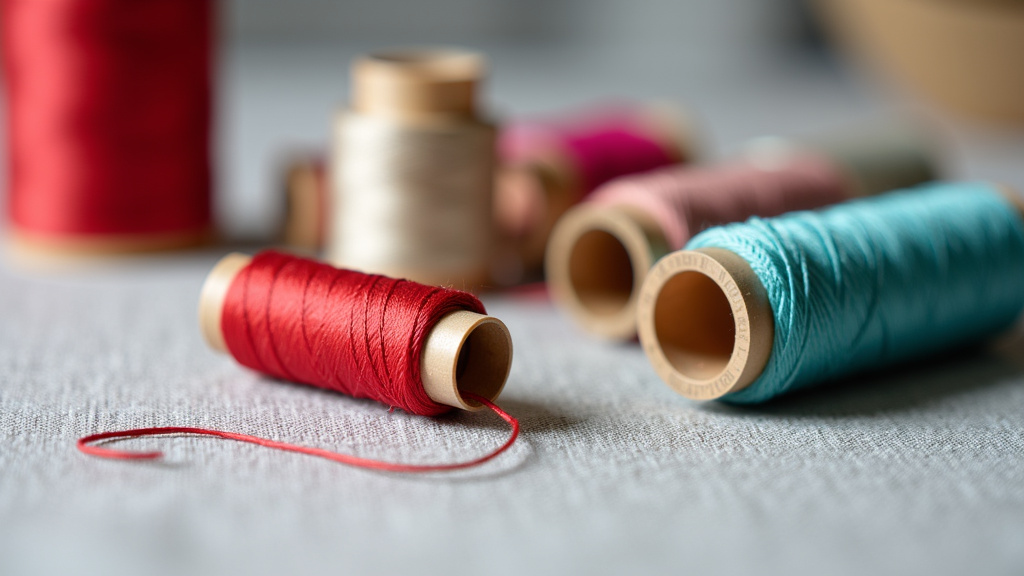
A Quick Comparison: Sewing Thread vs. Embroidery Floss
Here’s a simple breakdown to help you visualize the key differences:
| Feature | Sewing Thread | Embroidery Floss |
|---|---|---|
| Primary Use | Seams, garment construction | Decorative stitching, embroidery |
| Construction | Single, strong, twisted yarn | Multiple fine strands, loosely twisted |
| Thickness | Thin (e.g., 50-weight) | Thicker (various strand counts) |
| Coverage | Sparse, requires many stitches | Full, smooth coverage |
| Texture | Can be stiffer | Softer, more flexible |
| Color Variety | Standard colors | Extensive range, variegated options |
| Best For | Tiny details, fine lines, practice | Most embroidery projects, filling areas, lettering |
Tips for Using Sewing Thread in a Pinch
If you absolutely must use sewing thread for your embroidery, here are a few tips to help you get the best possible results.
- Choose the right weight: Opt for a slightly thicker sewing thread if you can find one. A 30-weight or 40-weight thread will offer more body than a standard 50-weight.
- Use fewer strands: If you’re using a thread that comes in multiple plies (like some quilting threads), separate them. Treat it like floss.
- Work slowly and gently: Avoid pulling the thread too tightly. This can cause it to break or distort your fabric.
- Use a good needle: Ensure your needle has a large enough eye for the thread. A sharp needle will help prevent snagging.
- Test first: Always test your thread on a scrap piece of the same fabric. Check how it stitches, covers, and holds up to gentle washing.
- Manage expectations: Understand that the results may not be as vibrant or smooth as they would be with dedicated embroidery floss.
When to Definitely Choose Embroidery Floss
There are certain projects where using anything other than proper embroidery floss would be a real disservice to your artwork. We recommend always using embroidery floss for these scenarios.
Larger Designs and Fill Stitches
If you plan to fill in larger areas with color, like a solid shape or a background, embroidery floss is essential. Its ability to cover the fabric smoothly creates a professional, even finish. Trying to fill a large area with thin sewing thread would be incredibly time-consuming and likely result in a patchy look.
Text and Lettering
Crisp, clear lettering is difficult to achieve with thin thread. Embroidery floss provides the necessary thickness and body to create legible and attractive text. You want your letters to stand out boldly, not appear faint or wispy.
Projects Requiring Washability and Durability
For items that will be washed frequently, like clothing or dish towels, embroidery floss is the better choice. It’s generally made to be more colorfast and resilient to repeated washing and wear than standard sewing thread.
Many guidelines for textile care suggest that decorative threads need to be specifically formulated for color retention and resistance to abrasion. Dedicated embroidery floss often meets these requirements better than general-purpose sewing thread.
Achieving Specific Textures and Effects
Do you want that classic, slightly raised embroidery look? Do you want to use specialty threads like metallic or variegated floss for unique effects? These options are only available in the embroidery floss range. Sewing thread simply cannot replicate these visual and textural qualities.
Conclusion
So, can you use sewing thread for embroidery? Yes, in a pinch, but it’s not your first choice for beautiful results. Sewing thread is thinner and less forgiving than dedicated embroidery floss. We’ve found it can work for very fine details or quick practice stitches. However, for fuller coverage, vibrant colors, and lasting quality, embroidery floss is the clear winner. We recommend reaching for embroidery floss for most projects to avoid frustration and achieve that polished look you’re aiming for. Your next embroidery project will thank you for using the right materials!
Frequently Asked Questions
Will sewing thread break easily during embroidery?
Yes, sewing thread can break more easily than embroidery floss. Its thinner structure means it might not withstand the repeated friction of stitching. Work slowly and gently if you’re using it, and be prepared for potential breakage.
Can I use sewing thread to fill in large embroidered areas?
We generally advise against using sewing thread for large fill areas. Its thinness means you’d need many stitches to achieve coverage, likely resulting in a patchy or uneven appearance. Embroidery floss provides much better coverage for filling shapes.
What is the main difference in texture between sewing thread and embroidery floss?
Embroidery floss typically has a softer, more flexible texture that lies smoothly on fabric. Sewing thread can sometimes feel stiffer, which might not be ideal for decorative stitching where you want a softer look.
Is sewing thread okay for practicing embroidery stitches?
Absolutely! Sewing thread is a great, inexpensive option for practicing basic stitches. You can experiment with different techniques without worrying about wasting expensive embroidery floss.
How can I make sewing thread look better in embroidery if I have to use it?
If you must use sewing thread, try choosing a slightly thicker weight if available, and work very slowly to avoid breakage. You might also need more stitches to get good coverage compared to using embroidery floss.