What Weight Thread for Piecing a Quilt?
A 50 wt all-purpose thread is a practical starting point for piecing a quilt because it makes a fine seam with less bulk. Check how the thread and fabric behave together on a sample before sewing the quilt top.
On this page (6 sections)
A 50 wt all-purpose thread is a practical starting point for piecing a quilt because it makes a fine seam with less bulk. Test it with your fabric, needle and sewing machine on scraps before sewing the quilt top.
Thread weight alone doesn't determine whether a seam will lie flat. The thread type, stitch formation, fabric thickness and how many seams meet at an intersection all affect the finished seam.
What weight thread for piecing a quilt works best?
For most quilt piecing, start with 50 wt thread and check the seam on a sample. It is a widely used middle ground: fine enough to limit thread bulk, but visible enough to handle during setup.
Weight systems can be confusing because a higher number often means a finer thread, but not every system uses the same convention. If the spool label is unclear, read How to Identify Thread Weight: What You Need to Know before comparing numbers.
Cotton thread is a common choice for piecing, and polyester all-purpose thread can also work. Choose a thread that feeds smoothly through your machine and forms balanced stitches on the fabric you plan to use.
The best weight thread for quilt piecing is the one that makes a secure, even seam without making the pressed join feel stiff or raised. A short test seam gives you a better answer than choosing by weight label alone.
How does thread weight affect a quilt seam?
A finer thread can leave less thread inside the seam, which may help reduce bulk where several pieces join. A heavier thread can be easier to see and may suit a project where a stronger-looking seam is part of the plan.
| Thread weight | How it may suit piecing | Check before using |
|---|---|---|
| 60 wt | Fine seams where lower bulk is a priority | Visibility, feeding and stitch balance |
| 50 wt | A useful starting point for many quilt tops | Seam appearance after pressing |
| 40 wt | More visible, substantial seams | Bulk at multi-seam intersections |
These are starting points, not strict rules. Thread construction and fiber affect how a thread behaves, so two threads marked with the same weight can feel different.
If you are choosing thread for more than piecing, our guide to what weight thread for sewing machine explains how to match thread and machine setup for general sewing.
When should you choose a finer or heavier thread?
Choose a finer thread when your test seam looks bulky after pressing or several seams meet in one spot. A 60 wt thread may help reduce the thread inside a join, as long as your machine handles it well.
Choose a heavier thread when you want the seam to be more visible or the material calls for a more substantial thread. A 40 wt thread may add bulk, so test it at intersections before committing to a whole quilt top.
Don’t switch weights based on the number alone. Thread material, needle size, stitch length and tension all affect the result, so change one part of your setup at a time.
If you're also sewing decorative details on a quilt, see What Weight Thread for Machine Embroidery? for how embroidery thread differs from ordinary piecing thread.
How can you test thread before piecing a quilt top?
Sew a sample with the same fabric, seam allowance and thread setup you plan to use. Then press it as you would the quilt blocks and check the seam for bulk, skipped stitches, puckering and a balanced look on both sides.
- Cut scraps from the quilt fabrics.
- Use the planned thread, needle, stitch length and seam allowance.
- Sew a straight seam, then a small intersection with multiple layers.
- Press the sample and feel whether the seam ridge is too bulky.
- Adjust one setting or switch one thread weight, then sew another sample.
If the stitches look uneven, check the threading path and needle before changing thread weight. For a broader check of machine setup, see What Weight Thread Should You Use in a Sewing Machine?.
The bobbin can affect stitch balance as well. Use a compatible bobbin thread and follow your machine manual; our What Bobbin Thread Weight Should I Use?: A Complete Guide covers bobbin choices.
How should you handle and store piecing thread?
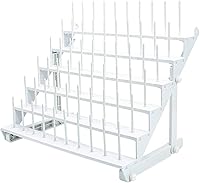
Keep thread clean, covered and easy to find so you can return to the same spool during a project. A spool net can help limit unwinding, and a rack or external holder can keep cones organized and feed them beside the machine.
For embroidery thread lengths and handling, see how long should embroidery thread be. The right length depends on the work, and storing spools neatly helps you avoid tangles between uses.
What thread weight should you choose for quilt piecing?
Start with 50 wt thread if you want a fine, low-bulk seam for a typical quilt top. Try a finer weight if intersections feel raised after pressing, or a heavier weight if you want a more visible seam and your sample stays flat.
The deciding check is the pressed test seam. Compare the seam appearance, stitch balance and bulk on the exact fabric layers you plan to piece before moving on to the full quilt.
Frequently asked questions
What weight thread is best for piecing a quilt?
A 50 wt all-purpose thread is a common starting point for quilt piecing because it forms a fine seam with limited bulk. The best choice depends on your fabric, needle and machine, so sew a short sample with the planned seam allowance and press it before continuing.
Can I use 40 wt thread for quilt piecing?
You can use 40 wt thread for quilt piecing if you want a more visible, substantial seam and your machine forms balanced stitches with it. Test on fabric scraps first, since a thicker thread can add bulk where several seams meet or affect how the fabric presses.
Is 60 wt thread too thin for piecing a quilt?
A 60 wt thread can work for piecing when a finer seam is useful, but confirm that it feeds and stitches reliably in your machine. Use a compatible needle and check the seam on scraps, especially if the fabric is loosely woven or the thread is difficult to see.
Should I use the same thread in the bobbin?
Many quilters use the same thread type and weight in the needle and bobbin for piecing, which makes the setup easier to balance. Follow your machine guidance and test stitch tension on the fabric layers you plan to sew before starting the quilt top.
Does thread weight change seam bulk?
Thread weight can affect seam bulk, but the fabric, stitch density and number of joined layers matter too. A finer thread often leaves less thread inside the seam, while a bulky intersection can still build up.
Press sample seams to compare the result.