Sewing Machine vs Quilting Machine: Which Should You Choose? (November 2026)
Choose a regular sewing machine for general sewing and occasional quilts; choose a quilting-focused machine for more room and quilting controls. The right fit depends on quilt size, how often you quilt and which features make the work easier.
On this page (8 sections)
- Sewing machine vs quilting machine: what is the difference?
- Which machine feeds quilt layers more easily?
- Should you choose a regular machine for occasional quilting?
- When is a quilting-focused setup worth choosing?
- How should you compare throat space and table size?
- Which machine type fits your budget and sewing plans?
- What should you check before buying?
- Sewing machine vs quilting machine: which should you choose?
Choose a regular sewing machine for everyday sewing and occasional quilts; choose a quilting-focused machine when more workspace and quilting accessories will make large projects easier. In a sewing machine vs quilting machine comparison, the feed space and table setup often matter more than the label on the machine.
Many quilting tasks work on a standard sewing machine. A larger work area, a wide table and useful feeding accessories can make it easier to guide a bulky quilt sandwich.
The 4 options below cover different needs, from everyday sewing to extra stitch control and quilting accessories. Compare the features with the size and style of quilts you plan to make.

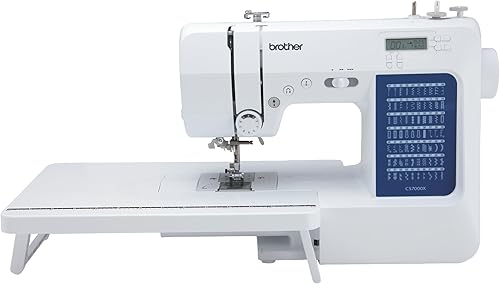 Best for a quilting starter setup
Brother CS7000X Sewing and Quilting Machine LCD
Sewing machine vs quilting machine: what is the difference?
A quilting machine is usually a sewing machine equipped for quilting, rather than a completely separate kind of machine. Features like a large needle-to-arm workspace, a wide table and feeding aids help manage quilt layers.
A regular sewing machine can piece fabric, sew seams and quilt smaller projects. Hand sewing can still suit small finishing tasks, as explained in hand sewing vs machine sewing.
What matters is whether you can move the quilt through the machine comfortably and keep its layers aligned.
Some machines include a wide table or quilt guide. Others have a basic sewing setup, so you may need to add compatible accessories if you quilt regularly.
Does a quilting machine have more workspace?
The needle-to-arm space determines how much quilt can rest beside the needle. More room can make a large quilt easier to position, but it doesn't eliminate the need to fold and guide the fabric.
The Brother CS7000X has a larger needle-to-arm workspace and includes a detachable wide table. The SINGER Quantum Stylist 9960 comes with a large extension table, even feed/walking foot and quilting bar.
A roomy setup helps, but your table height and the space around the machine also count. Measure your sewing area and consider where the quilt will rest as you work.
Which machine feeds quilt layers more easily?
Look for feeding aids and controls that help you move the quilt sandwich evenly. A walking foot, adjustable presser foot pressure, or a quilt guide can be useful depending on the way you sew.
A quilt sandwich has a top, batting and backing. Basting the layers before quilting helps keep them together, while supporting the bulk reduces the pull on the needle area.
The 4423 includes a quilting guide and has adjustable presser foot pressure. The Quantum Stylist 9960 includes an even feed/walking foot and a quilting bar, which can help guide fabric as you sew.
What does a walking foot do?
A walking foot helps feed layers from the top while the machine’s feed dogs move fabric from below. Compare walking foot vs presser foot for more on their roles.
It can reduce shifting between quilt layers, though careful basting and steady handling still matter.
Check that the foot is compatible with your machine and suitable for the stitch you plan to use. If you are new to the process, our guide to machine quilting for beginners covers setup and first steps.
Does machine speed matter for quilting?
Control at a comfortable pace matters more than maximum speed for many quilting tasks. Slower stitching gives you more time to guide turns and keep lines even.
The Quantum Stylist 9960 includes speed control and a start/stop button. The 4423 offers a high maximum speed, but you can still focus on managing the fabric rather than racing through a quilt.
If you want a machine for both quilting and garment sewing, speed control can be useful for switching between long seams and detailed work. For machine options focused on stitching control, compare our best computerized sewing machines for quilting.
Should you choose a regular machine for occasional quilting?
Choose a general sewing machine if you quilt now and then and also need a machine for everyday projects. A basic setup can handle piecing and smaller quilts when its workspace and accessories suit the job.
The Brother Sewing Machine has 27 built-in stitches, including quilting stitches, plus an automatic needle threader and drop-in top bobbin. It may suit a sewer who wants a general-purpose machine and does not need a wide table in the box.
The Singer Heavy Duty 4452 is another option to consider if you sew a range of fabrics and want a free arm for smaller projects. Read our Singer 4452 heavy duty sewing machine review before comparing it with the 4423.
A regular machine can be enough for quilt blocks and smaller projects. If you plan to quilt large bed-sized pieces often, make workspace the first feature you compare.
When is a quilting-focused setup worth choosing?
Choose a quilting-focused setup when you expect to handle larger quilts or want accessories for guiding layers. Extra room and a table can support the fabric, while a walking foot or guide can help with feeding and spacing.
The Brother CS7000X includes a wide table and quilt guide, along with a larger needle-to-arm workspace. Its 70 built-in stitches include quilting functions, plus utility and decorative options.
The Quantum Stylist 9960 adds a large extension table, an even feed/walking foot, quilting bar and speed control. Its many stitch choices may also appeal if you use decorative stitches for quilting or other projects.
If you prefer a simpler setup, compare our best mechanical sewing machines for quilting. A mechanical model may have fewer controls to learn, while the right choice still depends on workspace and the accessories you need.
How should you compare throat space and table size?
Compare the machine’s needle-to-arm space with the quilts you plan to sew, then check how the table supports fabric around it. A wide table helps hold fabric, but it doesn't increase the opening between the needle and arm.
Throat space is the area to the right of the needle. For machine quilting, the quilt is often rolled or folded to pass through this area, so a few extra inches can make a noticeable difference in handling.
The extension table supports the quilt surface and helps reduce the amount of fabric hanging off the edge. Keep a clear area beside and behind your machine so you can reposition the quilt without catching it on objects.
The CS7000X describes its needle-to-arm workspace as larger, but no exact throat measurement is included here. Check the machine’s manual or manufacturer information for dimensions before deciding whether it suits your largest quilt.
Which machine type fits your budget and sewing plans?
Match the controls and accessories to what you will use, rather than paying for features that won't change your projects. Mechanical machines tend to keep controls straightforward, while computerized models can provide more stitch options and settings.
A mechanical machine may suit you if you mostly sew straight seams, piece blocks and use a small set of stitches. Our complete sewing machine buying guide explains how to compare machine types for your mix of projects.
A computerized machine can be useful if you want a wide choice of built-in stitches or speed and needle controls. For basic quilting, workspace and fabric handling may be more valuable than a large decorative stitch library.
For a thread choice that crosses from sewing into embroidery, read Can You Use Sewing Thread for Embroidery?. Machine embroidery uses different needs from quilting, so review the needles for machine embroidery guide before changing needle types.
What should you check before buying?
Confirm the machine’s workspace, included quilting accessories and compatibility with the needle and feet you plan to use. Then make sure its size, weight and setup fit your sewing area.
Check whether a wide table, walking foot, quilting guide or quilting bar comes with the machine. If you need to buy accessories separately, confirm they are designed for that model.
Needle choice depends on fabric, thread and layer thickness. Read the machine manual and test a needle on a quilt sandwich before starting the finished piece.
Also check the power requirements for your location. The Brother models described here are intended for sale in the US at 120 volts, and using or selling them elsewhere may affect the warranty.
Sewing machine vs quilting machine: which should you choose?
Choose a standard sewing machine for general sewing and occasional small quilts; choose a quilting-focused setup for frequent quilting, large projects or included feeding and table accessories. Start with throat space and fabric support, then compare controls and stitch options.
The Brother Sewing Machine fits everyday sewing with occasional quilting. The Brother CS7000X offers a wide table and quilt guide, while the SINGER 4423 adds adjustable pressure and a quilting guide; the Quantum Stylist 9960 combines an extension table with an even feed/walking foot and speed control.
Pick the machine that fits your most common work and the quilt size you can comfortably manage. If you're still comparing needles, begin with our guide to best sewing machine needles for quilting.
Frequently asked questions
Can you quilt with a regular sewing machine?
Yes, you can quilt with a regular sewing machine if the quilt fits through the space between the needle and the machine arm. A walking foot or quilting guide can help with feeding and spacing, but check which accessories fit your machine and support the way you plan to quilt.
Do you need a special machine for quilting?
No, a special machine isn't required for many quilts. A regular machine can piece blocks and quilt smaller projects, while a quilting-focused setup may add a wider table, more space beside the needle or accessories that help guide layers.
What matters most in a quilting machine?
Start with usable space between the needle and the machine arm, since a rolled quilt needs room there while you sew. Then consider a wide table, needle control, stitch speed settings and a walking foot or other feeding aid based on your quilting method.
Is a computerized machine better for quilting?
A computerized machine can offer more stitch choices and controls, but those features don't automatically make it better for quilting. Prioritize workspace, fabric handling and the controls you'll use; choose computerized features when they support your preferred projects.
Which needle should you use for machine quilting?
Choose a needle suited to the fabric, thread and number of layers, then test the combination on a quilt sandwich. A quilting needle is one option for piecing and quilting; see our guide to the best sewing machine needles for quilting for more detail.


