9 Best Embroidery Stabilizers for Hats (November 2026)
The best embroidery stabilizers for hats include the HBI Cut Away Embroidery Stabilizer Roll for dense cap logos, the HBI Wash Away Water Soluble Embroidery Stabilizer for clean wash away backing, and the Seneme Water Soluble Stabilizer for Embroidery Topping for high pile hat panels.
On this page (9 sections)
- Our top embroidery stabilizers for hats
- Best embroidery stabilizers for hats: cut away, tear away, or wash away?
- How we compared these stabilizers
- What type of stabilizer should you use on a hat?
- How thick should stabilizer be for hats?
- What roll size and sheet size fit hat hooping?
- How do you layer stabilizer and topping on a hat?
- What needle and thread settings pair well with hat stabilizer?
- Verdict: which stabilizers for hats should you buy?
The best embroidery stabilizers for hats are cut away backing for stretch caps and water soluble topping for textured front panels. Cut away stays behind dense stitching and stops the fabric from pulling, while topping keeps stitches visible on fleece and terry.
Hats add a curved surface, a seam, and often a stretchy knit. That shape makes support matter more than on a flat tote or towel.
The stabilizer you choose under the cap, and any topping you place over it, decide whether a logo stays flat or ripples.
If you are still choosing your setup, start with our guide to an embroidery machine for hats. Our picks for the best hat hoops for embroidery machine also help, because the right hoop holds the cap while the stabilizer holds the fabric.
Our picks at a glance
-
1

-
2
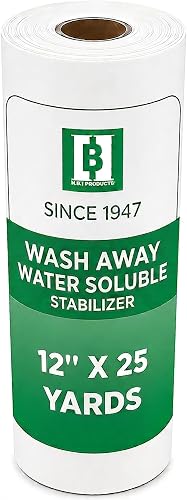 Best for clean wash away backing
HBI Wash Away Water Soluble Embroidery Stabilizer
9.6/10 our score
See it on Amazon -
3
 Best for high pile hat panels
Seneme Water Soluble Stabilizer for Embroidery Topping
9.4/10 our score
See it on Amazon
- 4
 Check it
OESD AquaMesh Wash Away Embroidery Stabilizer 10"
Best for freestanding hat details - 5
 Check it
Poolin Water Soluble Stabilizer for Embroidery Topping
Best for textured cap fronts - 6
 Check it
Seneme Black Cut Away Embroidery Stabilizer 8"x8"
Best for black hats - 7
 Check it
OESD Heavy Weight Tear Away Embroidery Stabilizer
Best for high stitch count on woven caps - 8
 Check it
Meboltpan 12 Inch x 50 Yards Tear
Best for large tear away rolls - 9
 Check it
BAI Water Soluble Stabilizer For Embroidery Topping
Best for clear topping film
Our top embroidery stabilizers for hats
These nine picks cover the three jobs a hat needs: permanent backing, removable backing, and topping for textured panels. Cut away rolls lead the list because most caps stretch, then wash away and tear away options follow for specific fabrics and designs.
HBI Cut Away Embroidery Stabilizer Roll: Best for dense cap logos
- 2.5 oz medium weight
- 12 in x 50 yd roll
- Cut away backing stays behind stitches
- Works on knits, fleece, denim and stretch materials
A firm medium weight cut away roll that stays behind dense cap designs to resist puckering on stretchy fabric.
Pros
- Permanent support for dense stitching
- Large 12 in x 50 yd roll for custom cuts
- Suits knits and stretch materials
Cons
- Backing stays in the finished hat
- Needs trimming close to stitches after sewing
This roll suits cap makers who sew dense logos, lettering, and applique on knits and stretch material. The 2.5 oz medium weight gives firm support without making a small front panel stiff.
The 12 in x 50 yd size lets you cut a piece to fit your hoop each time. That matters on hats, where you trim around a curved area rather than hooping a large flat piece.
HBI says it works on knits, fleece, denim, and stretch materials, and pairs with fusible interfacing for extra support. For a hat, that layering can help a busy design hold its shape.
The trade-off is permanent. Cut away stays behind your stitches, so you must trim the excess close to the design after sewing.
Choose this roll when lasting support matters more than a clean removal.
Against the tear away picks here, this roll keeps supporting the hat after the hoop comes off. Against the wash away picks, it offers firmer backing during stitching, which suits heavier cap logos.
HBI Wash Away Water Soluble Embroidery Stabilizer: Best for clean wash away backing
- Water soluble, dissolves after use
- 12 in x 25 yd roll
- For delicate fabrics and clean finishes
- Works with interfacing and layered projects
A wash away roll that dissolves completely after stitching, useful when you want no backing left behind.
Pros
- Dissolves completely after use
- 12 in wide for custom cutting
- Suits delicate fabrics
Cons
- Less support than cut away or tear away
- Requires rinsing to remove
This wash away roll suits delicate fabrics and designs where you want no backing left behind. It dissolves completely after use, so the finished hat feels as it did before stitching.
The 12 in x 25 yd roll gives you room to cut backing for small hoops and layered projects. You can also use it with interfacing when a design needs added stability.
HBI lists use with interfacing fabric for sewing and fusible interfacing for general stability. On a hat, that pairing can help a light design sit flat on a delicate panel.
Wash away support is lighter than cut away or tear away. On a stretch cap with dense stitching, that lighter support may not stop pulling on its own.
Use it for light designs, delicate panels, or as part of a layered setup. For heavy cap logos, pair it with a firmer backing or choose a cut away roll instead.
Compared with the topping films here, this roll can act as backing, while topping only controls the surface. That makes placement and removal steps different for each role.
Seneme Water Soluble Stabilizer for Embroidery Topping: Best for high pile hat panels
- Water soluble topping film
- 12 in x 50 yd roll
- 35 microns thick
- For towels, velvet, corduroy, terry, fleece and fluffy fabrics
A clear topping film that sits over high pile fabric during stitching and dissolves in cold water.
Pros
- Keeps stitches visible on fluffy fabric
- Large 12 in x 50 yd roll
- Dissolves completely in cold water
Cons
- Topping only, not sole backing
- Needs a separate backing for support
This topping film suits hats with a high pile front panel, such as fleece, terry, velvet, or corduroy. It sits on top of the fabric during stitching, so stitches rest on the film instead of sinking into the pile.
At 35 microns, the film is strong enough to withstand repeated stitching. Seneme says it dissolves completely in cold water, leaving nothing behind.
The 12 in x 50 yd roll lets you cut a piece that covers the embroidery area. Hoop it with the fabric, stitch the design, then rinse the film away.
The nylon spun polymesh material is listed as non-toxic and safe on skin. That matters for knit hats that sit close to the forehead during wear.
Remember that topping is not backing. You still need cut away or tear away support under the cap for dense designs.
This film solves the surface problem, not the support problem.
Against the 25 yd topping rolls here, the 50 yd length suits frequent use. Against cut away picks, it removes fully, but it cannot hold a stretch cap on its own.
OESD AquaMesh Wash Away Embroidery Stabilizer 10": Best for freestanding hat details
- Opaque water soluble stabilizer
- 10 in x 10 yd roll
- Rinses out in warm running water
- Use two layers for dense freestanding lace
A sturdy wash away mesh for projects where no stabilizer trace can remain after rinsing.
Pros
- No trace after rinsing
- Two layers support dense stitching
- Not sensitive to air humidity
Cons
- Smaller 10 yd roll
- Rinsing required for removal
AquaMesh suits projects where no trace of stabilizer can remain, such as freestanding lace details or ornaments sewn on a hat. It is opaque and water soluble, and rinses out in warm running water.
The 10 in x 10 yd roll is smaller than the other rolls here, so plan for more frequent reorders if you sew often. OESD says the material is not sensitive to air humidity during storage and use.
For dense freestanding work, OESD recommends two layers. That extra layer matters when a design has a very high stitch count and no fabric underneath to support it.
OESD also notes a pro tip for jewelry, bookmarks, and ornaments. Match your bobbin thread to the top thread so the underside looks clean on freestanding pieces.
On a regular cap logo, this is a specialty choice rather than an everyday backing. Pick it for lace and freestanding details, and use cut away backing for standard hat designs.
Compared with clear topping films, AquaMesh is opaque and aimed at freestanding work. That difference in role shapes when each one belongs on a hat project.
Poolin Water Soluble Stabilizer for Embroidery Topping: Best for textured cap fronts
- Water soluble topping film
- 12 in x 25 yd
- 35 um film
- For towels, fleece, velvet and knits
A lightweight topping film that helps stitches stay visible on textured fabric and rinses away cleanly.
Pros
- Helps prevent stitches sinking into texture
- Wide 12 in coverage
- Rinses away with water
Cons
- Topping only, not sole backing
- Must be hooped or pinned in place
Poolin suits textured cap fronts in towels, fleece, velvet, and knits. The 35 um film provides steady coverage over the embroidery area and helps reduce shifting during stitching.
You can hoop the topping with the fabric or cut a piece to cover the area and pin it in place. After stitching, the remaining film dissolves cleanly when rinsed, and warm water helps speed up the process.
The 12 in x 25 yd size covers medium and large embroidery areas, including lettering and logos. That width helps when a design spans a wide front panel.
The film helps keep stitches visible and prevents them from sinking into textured fabric. That surface control is the main benefit on a high pile cap front.
Like other topping films, this does not support the fabric from below. Use it over a cut away or tear away backing when your cap needs both surface control and structural support.
Against the 50 yd Seneme film, this roll is shorter for occasional use. Against cut away rolls, it leaves no residue, but it needs a separate backing for dense stitching.
Seneme Black Cut Away Embroidery Stabilizer 8"x8": Best for black hats
- Black cut away, 2.5 oz medium weight
- 100 precut 8 in x 8 in sheets
- For 4x4 and 6x6 hoops
- For knits, fleece, denim and unstable fabric
Precut black cut away sheets sized for small hoops, with medium support that stays behind the design.
Pros
- Black color for dark hats
- Precut sheets save cutting time
- Fits 4x4 and 6x6 hoops
Cons
- Fixed 8 in x 8 in sheet size
- Permanent backing remains in hat
This black cut away pack suits dark hats where a white backing could show through. The 2.5 oz medium weight supports light to medium stitch density on knits, fleece, and denim.
You get 100 precut 8 in x 8 in sheets sized for 4x4 and 6x6 hoops. Precut sheets save cutting time, which helps when you sew a batch of hats in one session.
Seneme says it works best on thick and soft cloth and natural fibers, and on fabric that moves or distorts when tugged. That description fits many knit caps.
The polyester fabric is listed as safe on skin with no itching worries. That matters for hats worn against the forehead for long periods.
The trade-off is the fixed sheet size. Larger hoops need a roll you can cut to size.
Also, cut away stays in the hat, so trim close to the stitches after sewing.
Against the HBI white roll, this pack trades flexibility for color match and speed. Against tear away sheets, it gives lasting support but requires trimming.
OESD Heavy Weight Tear Away Embroidery Stabilizer: Best for high stitch count on woven caps
- Heavy weight tear away
- 10 in x 10 yd roll
- For non-stretch fabrics and high stitch counts
- Tears away cleanly with support for stitches
A sturdy tear away roll for stitch intensive designs on non-stretch fabric, removed after stitching.
Pros
- Strong support for dense designs
- Tears away after stitching
- Suits non-stretch woven caps
Cons
- Not for stretchy knit caps
- Tearing needs care to protect stitches
This heavy weight tear away suits non-stretch woven caps with high stitch count designs. The sturdy weight supports stitch intensive work, such as tiling scenes, without the backing breaking apart mid design.
The 10 in x 10 yd roll comes in a size that is easy to store. You cut a piece for each hoop, stitch the design, then tear the backing away.
OESD says to support your stitches as you tear away. That care matters on a hat, where the curved panel and seams can stress the stitching during removal.
The polyester material and heavy weight give more rigidity than a medium tear away. That rigidity helps dense designs hold alignment while the needle passes through the cap.
This is not the pick for stretchy knit caps, because tear away support ends when you remove it. Choose it for stable woven fabric where you want backing during stitching and nothing left behind after.
Compared with the medium Meboltpan roll, this pick targets heavier stitching on stable fabric. Compared with cut away, it cleans up fully but gives no lasting support.
Meboltpan 12 Inch x 50 Yards Tear: Best for large tear away rolls
- Tear away, medium weight
- 12 in x 50 yd roll
- No rinsing needed
- For knits, jerseys, fleece and towels
A large medium weight tear away roll that adds rigidity during stitching and tears off with no rinsing.
Pros
- Large roll for frequent use
- No water step needed
- Custom cuts for different hoops
Cons
- Tear away gives less lasting support than cut away
- Stretchy caps may still move during dense stitching
This tear away roll suits cap makers who want a large supply with no rinsing step. The 12 in x 50 yd roll covers large projects and frequent use, and you can cut it to any hoop size.
Medium weight tear away adds rigidity during stitching to help prevent puckering and shifting. After embroidery, it tears away with no residue and no water step.
Meboltpan lists knits, jerseys, fleece, and towels as suitable fabrics. On a hat, test it first with a light design, because stretchy fabric can still move once the backing is gone.
The no rinse removal saves time on batch work. You finish stitching, tear away the excess, and move to the next cap without waiting for water removal.
Compared with cut away, tear away gives less lasting support. Pick this roll for stable caps and lighter designs where fast cleanup matters, and pick cut away for dense work on stretch caps.
Against the heavy OESD tear away, this roll is medium weight and longer. That makes it better for frequent lighter designs than for stitch intensive tiling work.
BAI Water Soluble Stabilizer For Embroidery Topping: Best for clear topping film
- Clear water soluble topping film
- 12 in x 25 yd
- 35 um thickness
- For towels, fleece, garments, lace and delicate fabrics
A clear PVA topping film that controls surface fibers on textured fabric and dissolves quickly in cold water.
Pros
- Clear film keeps design visible
- Dissolves quickly in cold water
- Helps maintain fabric softness
Cons
- Topping only, not sole backing
- Needs rinsing to remove
This clear topping film suits towels, fleece, and textured hat panels where stitches tend to sink. At 35 um thickness, it gives strong surface support for detailed and dense designs.
The clear film keeps the design visible as you stitch, so you can judge lettering and placement over the fabric pile. It controls surface fibers and helps prevent stitch sinking.
BAI says the PVA film dissolves quickly in cold water with minimal residue. That rinse step leaves the fabric softness intact after the design is done.
The film is listed as OEKO-TEX Standard 100 Class I certified for harmful substances. That certification suits babywear and skin friendly textiles, including hats worn close to skin.
The 12 in x 25 yd roll allows flexible cutting for different hoop sizes. As with other topping films, you still need a backing under the cap for support, so plan to use both together on dense designs.
Against the Poolin film, this pick emphasizes clear visibility and quick cold water removal. Against cut away picks, it solves the surface layer while backing handles structure below.
Best embroidery stabilizers for hats: cut away, tear away, or wash away?
Cut away is best for most hats, tear away suits stable woven caps, and wash away suits delicate fabrics and topping needs. The right type depends on stretch, stitch density, and whether you want backing left in the finished hat.
Cut away stays behind the design forever and gives the strongest lasting support. It works best on knits and other stretchy fabric, and on designs with a high stitch count.
You trim the excess after sewing and leave the layer behind the stitches in place.
Tear away supports the fabric during stitching and then tears off. It suits woven, non-stretch fabric and lighter designs.
Once you tear it away, the hat must hold its own shape, so dense logos on stretch caps are a poor match.
Wash away dissolves in water and leaves nothing behind. It suits delicate fabric, freestanding designs, and topping over high pile panels.
Its support is lighter than cut away or tear away, so do not rely on it alone for heavy stitching.
Which removal method fits your cleanup routine?
Cut away needs trimming with sharp scissors. Tear away needs careful tearing while you support the stitches.
Wash away needs rinsing in cold or warm water until the film is gone.
Each method changes the finish inside the hat. Cut away leaves a layer behind the design.
Tear away and wash away leave no backing layer after removal.
How we compared these stabilizers
We compared the nine stabilizers by type, weight, size, and removal method. We checked roll width and length, film thickness where given, and the fabrics each brand lists as suitable.
We scored each pick for hat work first. A stabilizer that supports stretch fabric and dense stitching scored higher for caps than one made mainly for freestanding lace or topping.
Our score weighs specs, features and buyer feedback against what you're shopping for. We did not test these products by hand, and we label maker claims as claims.
We also compared trade-offs. Cut away gives lasting support but stays in the hat.
Tear away cleans up fast but ends its support at removal. Wash away leaves no trace but offers lighter support during stitching.
How roll length affects value for hat sewers
A 50 yd roll suits frequent sewing and batch work. A 25 yd roll suits occasional use and topping needs.
A 10 yd roll suits specialty work such as freestanding lace.
Width matters as much as length. A 12 in roll lets you cut pieces for larger hoops.
A 10 in roll still fits many hat hoops but gives less margin for wide designs.
What type of stabilizer should you use on a hat?
Use cut away on stretch knit caps, tear away on woven caps, and wash away topping on textured panels. Start with the cap fabric, then check the stitch density of your design.
Cut away for stretch caps and dense designs
Cut away backing stays behind the stitches and supports the fabric after stitching. That permanence helps on knit caps that stretch with wear.
Choose medium weight cut away for most logos and lettering. Heavier backing can stiffen a small front panel, while lighter backing may not hold a dense design.
Trim the excess close to the stitches after sewing. The layer left behind the design is the support that keeps the finished hat from distorting.
Tear away for woven caps and light designs
Tear away backing supports the fabric during stitching and tears off after. It suits woven caps and designs with a low to medium stitch count.
Support the stitches with your fingers as you tear. That step protects the design, especially near seams on a curved panel.
Skip tear away for dense designs on stretch caps. Once the backing is gone, the fabric has no lasting support and can ripple.
Wash away for delicate fabric and topping
Wash away backing and topping dissolve in water and leave no trace. Use them on delicate fabric, freestanding details, and high pile panels.
Hoop the film with the fabric or pin a cut piece over the embroidery area. Rinse after stitching until the film is gone.
Do not use wash away as the only support for a heavy design. Pair topping with a firmer backing under the cap.
How thick should stabilizer be for hats?
Medium weight backing, around 2.5 oz for cut away, suits most hats, while topping film around 35 microns suits textured panels. Weight and thickness guide support, not just fabric feel.
A 2.5 oz cut away gives firm support for medium to dense stitching while staying flexible. On a small cap panel, that balance matters, because heavy backing can make the front panel feel stiff.
Heavy weight tear away suits stitch intensive designs on non-stretch fabric. It gives more rigidity during stitching than a medium weight tear away.
Topping film thickness, such as 35 microns, controls the surface rather than the structure. A thicker film helps stitches sit on top of fleece or terry instead of sinking into the pile.
What roll size and sheet size fit hat hooping?
A 12 in wide roll lets you cut backing to fit any hat hoop, while 8 in x 8 in precut sheets fit 4x4 and 6x6 hoops. Size planning saves time when you sew a batch of caps.
Hats use small hooping areas, so a wide roll gives you flexibility. Cut a piece that covers the hoop, stitch, then trim the excess from the finished design.
Precut sheets save a cutting step for each hat. They suit small hoops and dark caps when the sheet color matches the fabric.
Shorter rolls, such as 10 yd lengths, work for occasional sewing. Longer 50 yd rolls suit frequent use and reduce reorders.
For hooping technique, follow our guide to how to hoop a hat for embroidery machine. The best hat hoops for embroidery machine guide helps you match the hoop to your machine.
How do you layer stabilizer and topping on a hat?
Hoop cut away or tear away backing under the cap, then place water soluble topping over the front panel. The backing supports from below, and the topping controls the surface.
Step 1: Choose backing for the cap fabric
Use cut away for stretch knits and dense designs. Use tear away for woven caps and lighter designs.
Step 2: Add topping for textured panels
Place a clear water soluble film over fleece, terry, velvet, or other high pile fabric. Hoop it with the cap or pin a cut piece in place.
Step 3: Stitch, remove, and rinse
Trim cut away excess close to the stitches, tear away backing with support for the stitches, or rinse wash away film in water. Match the removal step to the backing type you chose.
If your design uses applique or layered fabric, our guide to the best stabilizer for embroidery patches covers similar layering choices. For lace details, compare best water soluble stabilizer for embroidery options.
What needle and thread settings pair well with hat stabilizer?
A fresh needle matched to the cap fabric and thread helps stitches form cleanly over any stabilizer. Stabilizer supports the fabric, and the needle and thread determine stitch quality.
Use our guide to Needles for Machine Embroidery: A Complete Guide to match needle type and size to your fabric. Our overview of Types of Embroidery Needles: A Complete Guide explains the differences between needle types.
Replace the needle when you see skipped stitches, fraying, or fabric drag. Thick cap panels and seams wear needles faster than flat fabric.
Match thread weight to the design and fabric. A heavy thread on thin cap fabric can pull, even with strong backing underneath.
For beginners choosing a machine for cap work, see the best hat embroidery machine for beginners.
Verdict: which stabilizers for hats should you buy?
Buy the HBI Cut Away Embroidery Stabilizer Roll for most hats, and add a water soluble topping film for textured front panels. That pairing covers support and surface control in one setup.
Pick cut away when your cap stretches or your design is dense. Pick tear away when the cap is woven and stable and you want backing removed after stitching.
Pick wash away when you need no trace left behind.
If you sew black hats in small hoops, the precut black cut away sheets save cutting time. If you sew high pile panels often, a 12 in topping roll gives you wide coverage for each design.
Start with cut away backing and topping for textured panels, then adjust weight and type as your designs change. The best embroidery stabilizers for hats are the ones that match your cap fabric, your stitch density, and your cleanup preference.
Our top 3 picks at a glance
-
1
-
2
Best for clean wash away backing
HBI Wash Away Water Soluble Embroidery Stabilizer
9.6/10 our score
See it on Amazon -
3
Best for high pile hat panels
Seneme Water Soluble Stabilizer for Embroidery Topping
9.4/10 our score
See it on Amazon
Frequently asked questions
What stabilizer is best for embroidering hats?
Cut away backing is best for most hats because it stays behind dense stitches and supports stretchy fabric. Add water soluble topping on fleece or terry panels so stitches do not sink.
Tear away works on stable woven caps with lighter designs.
Do I need topping as well as backing on a hat?
You need topping when the front panel has fleece, terry, velvet or another high pile surface. The film sits on top during stitching and rinses away after.
Backing still supports the fabric from below, so topping does not replace it.
Can I use tear away stabilizer on a stretch cap?
Tear away can work on a stretch cap with a light design, but it gives less lasting support than cut away. Dense stitching can pull and distort the fabric once the backing is torn off.
Cut away is the safer choice for stretch knit caps.
How do I remove cut away stabilizer from a hat?
Trim the excess close to the stitches with sharp scissors after stitching. Leave the backing that sits directly behind the design in place.
That remaining layer is what keeps the finished hat from stretching.
What needle should I use for hat embroidery?
Use a needle suited to the cap fabric and thread weight, and replace it when stitches skip or break. Our guide to needles for machine embroidery helps you match needle type and size to the job.
A fresh needle also reduces drag on thick cap panels.


