9 Best Sewing Machines for Beginners (November 2026)
The best beginner sewing machines include the Brother Sewing Machine for everyday sewing, the Brother CS7000X Sewing and Quilting Machine LCD for learning quilting, and the SINGER® for thicker fabrics.
On this page (17 sections)
- Which sewing machines for beginners stand out?
- 1. Brother Sewing Machine: Best for everyday sewing
- 2. Brother CS7000X Sewing and Quilting Machine LCD: Best for learning quilting
- 3. SINGER®: Best for thicker fabrics
- 4. Chunara Sewing Machine for Beginners: Best for a starter kit
- 5. Janome Cat Fancy Easy-to-Use Sewing Machine: Best for simple mechanical controls
- 6. SINGER® Quantum Stylist 9960 Computerized Sewing: Best for growing into advanced projects
- 7. KPCB Tech Sewing Machine for Beginners with Fabrics&Finger: Best for guided practice
- 8. CraftBud Mini Sewing Machine for Beginners: Best for project supplies in one box
- 9. Stoigeld Portable Sewing Machine for Beginners: Best for adjustable practice speed
- How do you choose a first sewing machine?
- Should a beginner buy a full-size or mini sewing machine?
- Which sewing machine features help a first-time sewist?
- Do beginners need many built-in stitches?
- What else should you buy with a beginner sewing machine?
- What is the best beginner sewing machine by budget?
- Which beginner sewing machine should you choose?
The best sewing machines for beginners combine easy controls with dependable basic stitches. The Brother XM2701 is the strongest all-around starting point here, while the Janome Cat Fancy keeps controls simple and the Brother CS7000X adds quilting space and accessories.
If you are choosing your first machine, start with the projects you want to sew. Our hand sewing vs machine sewing guide can help you compare the approaches.
Hemming pants, making simple bags and learning straight seams do not require hundreds of stitches, but an automatic needle threader can make setup easier.
For a broader overview of how to choose a sewing machine, see our complete guide. This roundup compares full-size machines and compact practice options by their stated controls, stitch features and included supplies.
Our picks at a glance
-
1

-
2
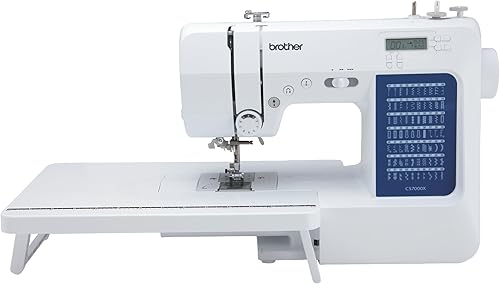 Best for learning quilting
Brother CS7000X Sewing and Quilting Machine LCD
9.5/10 our score
See it on Amazon -
3

- 4
 Check it
Chunara Sewing Machine for Beginners
Best for a starter kit - 5
 Check it
Janome Cat Fancy Easy-to-Use Sewing Machine
Best for simple mechanical controls - 6
 Check it
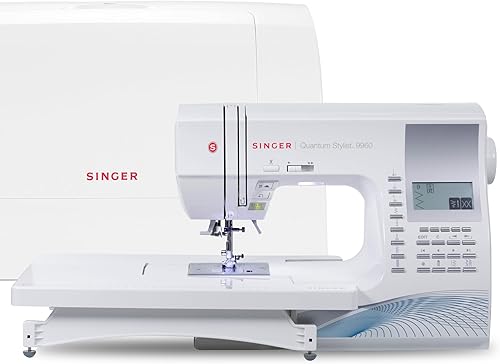
SINGER® Quantum Stylist 9960 Computerized Sewing
Best for growing into advanced projects - 7
 Check it
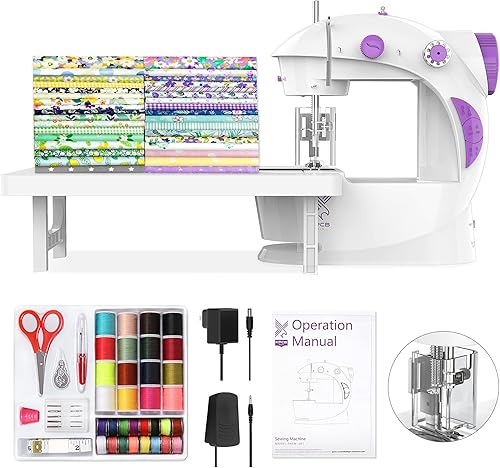
KPCB Tech Sewing Machine for Beginners with Fabrics&Finger
Best for guided practice - 8
 Check it
CraftBud Mini Sewing Machine for Beginners
Best for project supplies in one box - 9
 Check it
Stoigeld Portable Sewing Machine for Beginners
Best for adjustable practice speed
Which sewing machines for beginners stand out?
The Brother XM2701 is the most balanced pick for adult beginners, with useful everyday stitches and an automatic needle threader. Choose a simpler mechanical model for fewer controls, or a compact kit for occasional practice and small projects.
We compared the stated stitch options, threading features, controls, accessories and project fit. Our score weighs specs, features and buyer feedback against what you're shopping for.
| Product | Best for | Stitches | Threading | Included feet | Our score |
|---|---|---|---|---|---|
| Brother Sewing Machine | everyday sewing | 27 built-in | Automatic needle threader | 6 sewing feet | 9.7 |
| Brother CS7000X Sewing and Quilting Machine LCD | learning quilting | 70 built-in | 10 sewing feet | 9.5 | |
| SINGER® | thicker fabrics | 4 essential presser feet | 9.5 | ||
| Chunara Sewing Machine for Beginners | a starter kit | 12 built-in | 9.0 | ||
| Janome Cat Fancy Easy-to-Use Sewing Machine | simple mechanical controls | 15 built-in | 8.7 | ||
| SINGER® Quantum Stylist 9960 Computerized Sewing | growing into advanced projects | 600 built-in | 13 presser feet | 8.6 | |
| KPCB Tech Sewing Machine for Beginners with Fabrics&Finger | guided practice | 8.5 | |||
| CraftBud Mini Sewing Machine for Beginners | project supplies in one box | 8.3 | |||
| Stoigeld Portable Sewing Machine for Beginners | adjustable practice speed | 12 built-in | 8.0 |
How do the best sewing machines for beginners compare by type?
Full-size machines offer a wider range of sewing tasks, while mini machines focus on compact practice and smaller projects. Your project plans should guide whether you need a free arm, quilting workspace, speed control or starter supplies.
| Machine | Best for | Notable features |
|---|---|---|
| Brother Sewing Machine | Everyday sewing | 27 stitches, automatic needle threader, free arm |
| Brother CS7000X Sewing and Quilting Machine LCD | Learning quilting | LCD display, wide table, quilt guide |
| SINGER® | Thicker fabrics | Adjustable presser foot pressure, heavy-duty frame |
| Chunara Sewing Machine for Beginners | Starter kit | Two speeds, 42-piece kit |
| Janome Cat Fancy Easy-to-Use Sewing Machine | Simple controls | 15 stitches, 4-step buttonhole |
| SINGER® Quantum Stylist 9960 Computerized Sewing | Advanced projects | Speed control, 600 stitches |
| KPCB Tech Sewing Machine for Beginners with Fabrics&Finger | Guided practice | Fabric squares, finger guard |
| CraftBud Mini Sewing Machine for Beginners | Project supplies | Illustrated guide, fabric and tools |
| Stoigeld Portable Sewing Machine for Beginners | Adjustable practice speed | Stepless foot pedal, 12 stitches |
Brother Sewing Machine: Best for everyday sewing
- 27 built-in stitches
- Automatic needle threader
- Drop-in top bobbin
- Free arm
The XM2701 pairs useful everyday stitches with an automatic needle threader and a free arm for cuffs, sleeves and pant legs.
Pros
- Automatic needle threader
- Drop-in top bobbin
- Six sewing feet included
Cons
- Intended for use in the US at 120 volts
- More stitch choices than a beginner may need
Brother CS7000X Sewing and Quilting Machine LCD: Best for learning quilting
- 70 built-in stitches
- LCD display
- Wide table
- Automatic needle threader
The LCD display, wide table and included quilt guide suit beginners who want to try quilting as well as basic sewing.
Pros
- Wide table and quilt guide included
- Automatic needle threader
- Hard protective case included
Cons
- More features to learn than a basic machine
- Intended for use in the US at 120 volts
SINGER®: Best for thicker fabrics
- 97 stitch applications
- Heavy-duty metal frame
- Automatic needle threader
- Adjustable presser foot pressure
The SINGER 4423 offers adjustable presser foot pressure and a heavy-duty frame for beginners who expect to sew denim, canvas or multiple layers.
Pros
- Adjustable presser foot pressure
- Automatic needle threader
- Free arm for hems and cuffs
Cons
- Manual tension control adds a setting to learn
- Its speed and power may be more than a casual beginner needs
Chunara Sewing Machine for Beginners: Best for a starter kit
- 12 built-in stitches
- Two speed choices
- Foot pedal
- 42-piece sewing kit
Two speed choices and a 42-piece sewing kit make this a compact option for a beginner who wants basic practice supplies together.
Pros
- Foot pedal included
- Free arm for sleeves and pant legs
- Thread cutter and sewing light
Cons
- ABS plastic construction
- Intended for basic home projects
Janome Cat Fancy Easy-to-Use Sewing Machine: Best for simple mechanical controls
- 15 built-in stitches
- 4-step buttonhole
- Interior metal frame
- Tutorial videos
The Cat Fancy keeps stitch selection and adjustment straightforward, with 15 stitches for clothing repairs, patchwork and light quilting.
Pros
- Simple mechanical controls
- Tutorial videos
- Presser feet and darning plate included
Cons
- Four-step buttonhole takes several steps
- Fewer stitch options than computerized machines
SINGER® Quantum Stylist 9960 Computerized Sewing: Best for growing into advanced projects
- 600 built-in stitches
- Automatic needle threader
- Speed control
- Start/stop button
The speed control and start/stop button give a beginner options to sew at a comfortable pace, while its extensive stitch range supports future projects.
Pros
- Speed control and start/stop button
- Automatic needle threader
- Extension table and hard cover included
Cons
- Large number of stitches can take time to learn
- More machine than needed for basic mending
KPCB Tech Sewing Machine for Beginners with Fabrics&Finger: Best for guided practice
- Slow and standard speeds
- Finger guard
- 20 cotton fabric squares
- Tutorial videos
The practice fabric squares and tutorial videos give new sewists a starting point for small projects and basic stitching practice.
Pros
- Finger guard included
- Two speed settings
- Fabric and sewing tools included
Cons
- Mini size limits the scale of projects
- Plastic construction
CraftBud Mini Sewing Machine for Beginners: Best for project supplies in one box
- 50 fabric pieces
- Illustrated guide book
- 10 project instructions
- Thread and sewing tools included
The included fabric, tools and illustrated guide give a beginner supplies for trying small projects without gathering each item separately.
Pros
- Guide includes 10 projects
- Fabric and threaded bobbins included
- Compact machine
Cons
- Mini machine is aimed at smaller projects
- Plastic construction
Stoigeld Portable Sewing Machine for Beginners: Best for adjustable practice speed
- Stepless foot pedal speed
- 12 built-in stitches
- Reverse sewing
- Practice fabric and thread kit
The adjustable foot pedal lets a beginner start slowly, and the compact machine is suited to practice, mending and light woven fabrics.
Pros
- Adjustable speed by foot pedal
- Reverse sewing function
- Practice fabric and thread included
Cons
- Not intended for heavy-duty sewing
- Denim guidance is limited to 2 layers
1. Brother Sewing Machine: Best for everyday sewing
The Brother Sewing Machine is the best beginner choice for everyday sewing because it combines 27 built-in stitches with an automatic needle threader and free arm. The XM2701 has stitch options for utility work, decorative sewing, hems and stretch fabrics.
Brother Sewing Machine: Best for everyday sewing
- 27 built-in stitches
- Automatic needle threader
- Drop-in top bobbin
- Free arm
The XM2701 pairs useful everyday stitches with an automatic needle threader and a free arm for cuffs, sleeves and pant legs.
Pros
- Automatic needle threader
- Drop-in top bobbin
- Six sewing feet included
Cons
- Intended for use in the US at 120 volts
- More stitch choices than a beginner may need
The drop-in top bobbin is designed to be easy to load, and the machine includes an automatic bobbin winding system. Six quick-change feet cover common tasks such as zipper sewing, buttonholes, blind stitching and button sewing.
The free arm helps when sewing around cuffs, sleeves and pant legs. That makes the XM2701 a practical fit for basic alterations as well as first projects.
Brother includes a needle set, twin needle, bobbins, manual and other accessories. The machine is intended for sale and use in the US at 120 volts, so check compatibility if you are outside the US.
Choose it if you want one machine for learning and regular home sewing. See our comparison of the best Brother sewing machines for beginners for more options from the brand.
2. Brother CS7000X Sewing and Quilting Machine LCD: Best for learning quilting
The Brother CS7000X is a good beginner choice if quilting is part of your plan, because its wide table and larger needle-to-arm workspace give larger pieces more room. It also offers 70 built-in stitches and an LCD display.
Brother CS7000X Sewing and Quilting Machine LCD: Best for learning quilting
- 70 built-in stitches
- LCD display
- Wide table
- Automatic needle threader
The LCD display, wide table and included quilt guide suit beginners who want to try quilting as well as basic sewing.
Pros
- Wide table and quilt guide included
- Automatic needle threader
- Hard protective case included
Cons
- More features to learn than a basic machine
- Intended for use in the US at 120 volts
The machine includes 10 sewing feet and a quilt guide, plus a protective hard case. Its automatic needle threader and drop-in top bobbin can simplify two common setup steps.
Seven one-step auto-size buttonholes give you several buttonhole styles. The fixed needle bar is designed to keep the needle in place while you sew.
Choose the CS7000X if you expect to sew quilts or larger home projects as you learn. It is intended for US use at 120 volts, so consider your outlet and local requirements before buying.
3. SINGER®: Best for thicker fabrics
The SINGER® 4423 is the pick for beginners who expect to sew thicker materials, because it has a heavy-duty metal frame and adjustable presser foot pressure. SINGER describes it as a machine for fabrics such as denim, canvas and leather.
For denim projects, see sewing machine needles for denim.
SINGER®: Best for thicker fabrics
- 97 stitch applications
- Heavy-duty metal frame
- Automatic needle threader
- Adjustable presser foot pressure
The SINGER 4423 offers adjustable presser foot pressure and a heavy-duty frame for beginners who expect to sew denim, canvas or multiple layers.
Pros
- Adjustable presser foot pressure
- Automatic needle threader
- Free arm for hems and cuffs
Cons
- Manual tension control adds a setting to learn
- Its speed and power may be more than a casual beginner needs
Its 97 stitch applications include basic, stretch and decorative techniques, and the one-step buttonhole function handles buttonholes in one step. The automatic needle threader and transparent top drop-in bobbin cover are useful for setup and keeping track of the thread supply.
For step-by-step setup, see how to thread a Singer 4423.
A manual tension dial gives you another control to learn. The free arm can help with cylindrical items such as pant hems and cuffs.
Choose this machine if thick fabric projects are a clear goal and you are comfortable learning a few manual adjustments. For other brand options, see the best Singer sewing machines for beginners.
4. Chunara Sewing Machine for Beginners: Best for a starter kit
The Chunara Sewing Machine for Beginners suits a new sewist who wants practice supplies in the same box. Its 42-piece sewing kit includes a foot pedal, and the machine has 12 built-in stitches and two speed choices.
Chunara Sewing Machine for Beginners: Best for a starter kit
- 12 built-in stitches
- Two speed choices
- Foot pedal
- 42-piece sewing kit
Two speed choices and a 42-piece sewing kit make this a compact option for a beginner who wants basic practice supplies together.
Pros
- Foot pedal included
- Free arm for sleeves and pant legs
- Thread cutter and sewing light
Cons
- ABS plastic construction
- Intended for basic home projects
A free arm is designed for cylindrical pieces such as sleeves and pant legs. The machine also has a thread cutter, tension dial and sewing light.
Its compact format may work for simple home DIY projects and practice. If you plan to sew garments often or work with thick layers, compare its intended use with a full-size model first.
Choose this option if you want basic controls and starter supplies together. For another bundled option, compare the best sewing machine kits for beginners.
5. Janome Cat Fancy Easy-to-Use Sewing Machine: Best for simple mechanical controls
The Janome Cat Fancy is a strong fit for beginners who want straightforward mechanical controls and a manageable stitch set. It has 15 built-in stitches, adjustable stitch settings and a 4-step buttonhole.
Janome Cat Fancy Easy-to-Use Sewing Machine: Best for simple mechanical controls
- 15 built-in stitches
- 4-step buttonhole
- Interior metal frame
- Tutorial videos
The Cat Fancy keeps stitch selection and adjustment straightforward, with 15 stitches for clothing repairs, patchwork and light quilting.
Pros
- Simple mechanical controls
- Tutorial videos
- Presser feet and darning plate included
Cons
- Four-step buttonhole takes several steps
- Fewer stitch options than computerized machines
Its interior metal frame and three-piece feed dog support steady fabric handling, while the free arm helps with narrow or cylindrical pieces. The included quick start guide, instruction manual and tutorial videos offer several ways to learn setup.
The Cat Fancy weighs 12 lb and includes presser feet for general sewing, blind hems, buttonholes and zippers. A darning plate is also included for quilting and free-motion sewing.
Choose it if you want a compact full-size machine for clothing repairs, patchwork and light quilting. Read our guide to the best sewing machine for beginners Janome for a closer brand comparison.
6. SINGER® Quantum Stylist 9960 Computerized Sewing: Best for growing into advanced projects
The SINGER® Quantum Stylist 9960 suits a beginner who expects to explore many stitch styles over time. It has 600 built-in stitches, speed control and a start/stop button that lets you sew without the foot pedal.
SINGER® Quantum Stylist 9960 Computerized Sewing: Best for growing into advanced projects
- 600 built-in stitches
- Automatic needle threader
- Speed control
- Start/stop button
The speed control and start/stop button give a beginner options to sew at a comfortable pace, while its extensive stitch range supports future projects.
Pros
- Speed control and start/stop button
- Automatic needle threader
- Extension table and hard cover included
Cons
- Large number of stitches can take time to learn
- More machine than needed for basic mending
The automatic needle threader and top drop-in bobbin help with setup. A large extension table, hard dust cover and 13 presser feet are included, giving you tools for quilting, zipper sewing, buttonholes and other projects.
The range of stitch choices and settings can take time to learn. Its speed control can help you start slowly, but buyers who only need basic repairs may find a simpler machine easier to manage.
Choose it if you already have varied projects in mind and want room to explore decorative stitches, quilting and lettering. Its five fonts and mirror imaging also support personalized projects.
7. KPCB Tech Sewing Machine for Beginners with Fabrics&Finger: Best for guided practice
The KPCB Tech mini machine is best for guided practice because it comes with cotton fabric squares and tutorial videos. It offers slow and standard stitching speeds, and includes a finger guard.
KPCB Tech Sewing Machine for Beginners with Fabrics&Finger: Best for guided practice
- Slow and standard speeds
- Finger guard
- 20 cotton fabric squares
- Tutorial videos
The practice fabric squares and tutorial videos give new sewists a starting point for small projects and basic stitching practice.
Pros
- Finger guard included
- Two speed settings
- Fabric and sewing tools included
Cons
- Mini size limits the scale of projects
- Plastic construction
The included 20 fabric squares measure 8 x 8 in and can be used for practice or small patchwork projects. The machine uses a double-thread setup, and the kit includes tools such as bobbins, scissors, a measuring tape and a needle threader.
Its 3 lb weight and mini size make it easy to store, but the small format is best suited to modest projects. Confirm that the workspace and project size fit your plans before choosing it as your only machine.
Choose it for a compact starting setup with practice materials. For a machine with a focus on fewer controls, compare our guide to the best mechanical sewing machine for beginners.
8. CraftBud Mini Sewing Machine for Beginners: Best for project supplies in one box
The CraftBud Mini Sewing Machine is a useful option if you want fabric, tools and project instructions with a compact machine. Its illustrated guide includes instructions and patterns for 10 projects.
CraftBud Mini Sewing Machine for Beginners: Best for project supplies in one box
- 50 fabric pieces
- Illustrated guide book
- 10 project instructions
- Thread and sewing tools included
The included fabric, tools and illustrated guide give a beginner supplies for trying small projects without gathering each item separately.
Pros
- Guide includes 10 projects
- Fabric and threaded bobbins included
- Compact machine
Cons
- Mini machine is aimed at smaller projects
- Plastic construction
The kit includes 50 fabric pieces, threaded bobbins, thread spools, needles and common sewing tools such as scissors, a tape measure and a seam ripper. That gives a beginner materials to practice with before buying extra supplies.
The mini format is aimed at small projects and is compact enough to store easily. If you want to build sewing skills through reading, see our best beginner sewing machine books and best sewing books for beginners.
9. Stoigeld Portable Sewing Machine for Beginners: Best for adjustable practice speed
The Stoigeld portable sewing machine is suited to beginners who want to control stitching speed with the foot pedal. The pedal adjusts from 0 to 400 stitches per minute, and the machine includes 12 built-in stitches and reverse sewing.
Stoigeld Portable Sewing Machine for Beginners: Best for adjustable practice speed
- Stepless foot pedal speed
- 12 built-in stitches
- Reverse sewing
- Practice fabric and thread kit
The adjustable foot pedal lets a beginner start slowly, and the compact machine is suited to practice, mending and light woven fabrics.
Pros
- Adjustable speed by foot pedal
- Reverse sewing function
- Practice fabric and thread included
Cons
- Not intended for heavy-duty sewing
- Denim guidance is limited to 2 layers
The compact machine is intended for light woven fabrics, daily mending and craft projects. Its fabric guidance allows up to four layers of regular woven fabric and two layers of denim.
The starter kit includes practice fabric and thread spools. Follow the manual's threading instructions and fabric limits to reduce the chance of jams or broken needles.
Choose it for compact practice where adjustable speed is useful. For other focused choices, see the best self threading sewing machine for beginners and best heavy duty sewing machine for beginners.
How do you choose a first sewing machine?
Choose a first sewing machine by matching its controls, size and included feet to the projects you expect to make. A beginner sewing machine for basic mending does not need the same stitch range or workspace as one for quilting.
Start with threading and bobbin loading. An automatic needle threader, drop-in bobbin and clear manual can make it easier to set up and return to sewing after a break.
Then consider stitch needs. Straight and zigzag stitches cover many early projects, while buttonhole, blind hem and stretch options help with garments and repairs.
If you need a machine for a younger sewist, compare the best sewing machines for kids and best sewing machine for kids ages 8-12. Adult beginners may prefer a full-size machine with a free arm and more room to handle fabric.
Should a beginner buy a full-size or mini sewing machine?
A full-size machine is the more flexible choice for regular adult sewing, while a mini machine can suit small projects, limited storage and practice. Check the model's fabric and project guidance before expecting a compact machine to handle garments or thick layers.
Full-size models in this roundup include free arms for cuffs and hems, and some add a wide table for quilting. They also tend to include more stitch options and sewing feet.
Mini machines can come with useful starter supplies, such as fabric squares, thread and project instructions. Their small work surface can make larger pieces harder to manage.
Choose based on the projects you will actually sew, not just the machine's footprint. A compact machine that fits in a drawer may be appealing, but a full-size machine may be easier for repeated garment sewing.
Which sewing machine features help a first-time sewist?
An automatic needle threader, easy bobbin access, speed control and a free arm can make beginner sewing more manageable. The most helpful features depend on the parts of setup and sewing that you find difficult.
A drop-in bobbin helps you see the thread supply and load the bobbin from above. A free arm gives you access to narrow areas such as pant hems and sleeves.
Speed control can help you make slower, more deliberate seams while learning. It appears on the SINGER Quantum Stylist 9960 and Stoigeld portable machine in different forms.
Included accessories matter when they match your projects. A zipper foot helps with zippers, while a quilting guide and wide table are more useful for quilting than basic repairs.
Do beginners need many built-in stitches?
Most beginners can start with a straight stitch and zigzag stitch, so a large built-in stitch count is optional. Extra stitches become useful when you want to sew stretch materials, make buttonholes, finish hems or add decoration.
The Janome Cat Fancy offers 15 built-in stitches for everyday projects. The Brother XM2701 has 27, while the Brother CS7000X and SINGER Quantum Stylist 9960 offer larger stitch ranges.
A bigger count does not automatically make a machine easier to use. Choose a clear control layout and the stitches you are likely to use before prioritizing a long menu.
What else should you buy with a beginner sewing machine?
A beginner usually needs suitable needles, thread, fabric, scissors and a seam ripper, along with any presser feet required for planned projects. Some machines include several of these items, while others come with fewer accessories.
Check the included accessories before buying duplicate supplies. The CraftBud and KPCB Tech kits include fabric and sewing tools, while the Brother models include presser feet and basic machine accessories.
Thread choice matters for both sewing and embroidery projects. Learn the basics in our guides to thread for machine embroidery and what rayon embroidery thread is.
A zipper foot or walking foot may be useful as your projects grow. Read how to use an invisible zipper foot and our explanation of walking foot vs presser foot before choosing extra feet.
What is the best beginner sewing machine by budget?
The best machine for your budget is the one with the controls, stitch options and accessories you will use. Compare your full needs before deciding that the lowest-cost machine is the best value.
Our picks include full-size options and compact machines with starter supplies. A bundled kit can reduce the number of separate items to gather, while a full-size machine may suit regular sewing better.
For budget-focused comparisons, see our roundups of the best sewing machines under 200 dollars, best sewing machine under 100 dollars and best sewing machines under 50 dollars. If an automatic needle threader is a priority, compare the best sewing machines with automatic needle threaders.
Which beginner sewing machine should you choose?
Choose the Brother XM2701 for everyday adult sewing, the Janome Cat Fancy for straightforward mechanical controls, or the Brother CS7000X if quilting is already on your project list. Pick a mini kit for small practice projects and limited storage.
Before buying, match the machine's fabric guidance and accessories to your plans. A beginner sewing machine should make your first projects practical to start and simple to repeat.
Our top 3 picks at a glance
-
1
-
2
Best for learning quilting
Brother CS7000X Sewing and Quilting Machine LCD
9.5/10 our score
See it on Amazon -
3
Frequently asked questions
What should a beginner look for in a sewing machine?
Look for clear threading steps, simple stitch selection, a dependable straight stitch, and a bobbin you can load without guesswork. An automatic needle threader and a free arm can reduce setup and help with cuffs or hems.
Choose stitch options and accessories based on projects you expect to try.
Is a mechanical or computerized sewing machine easier for a beginner?
A mechanical machine often has fewer controls to learn, while a computerized model may show stitch choices on a display and offer more settings. Either can work for a beginner.
If you want to keep the setup simple, compare mechanical options such as the Janome Cat Fancy.
If you expect to explore more stitch types, consider a computerized model.
Are mini sewing machines good for beginners?
Mini sewing machines can suit small practice projects, simple crafts and occasional mending. They take up less space, and some come with practice fabric or a guide.
For regular garment sewing, compare the machine's intended fabrics and project limits with a full-size model before choosing.
How many stitches does a beginner need?
A beginner can learn basic sewing with a straight stitch and zigzag stitch, so a large stitch count isn't required. Additional stitches can help with stretch fabric, hems, decorative work or buttonholes.
Focus first on the controls and stitches you'll use for your planned projects.
Can a beginner sew denim?
Some beginner machines can handle denim, but check the model's fabric guidance and use a suitable needle. The SINGER 4423 has adjustable presser foot pressure and is designed for thicker materials.
A compact practice machine may have lower fabric limits, so follow its instructions.


