9 Best Sewing Machines for Kids (November 2026)
The best beginner sewing machines for kids include the Brother Sewing Machine for growing sewing skills, the SINGER® M1500 Lightweight & Portable Sewing Machine for simple stitch selection, and the CraftBud Mini Sewing Machine for Beginners for a complete starter kit.
On this page (4 sections)
The best beginner sewing machine for kids is the Brother Sewing Machine, thanks to its 27 built-in stitches, automatic needle threader, drop-in bobbin and free arm. For a younger child, a dual-speed mini such as the Sew Mighty or KPCB Tech may be easier to manage with close adult supervision.
That distinction matters more than stitch count alone. A younger child usually needs slower movement, fewer controls and a small project that can be finished in one sitting.
An older child may want a machine that can still be useful after the first few lessons.
Our score weighs specs, features and buyer feedback against what you are shopping for. We compared machines for speed control, setup, workspace and included supplies.
Setup is a key part of that comparison. Threading, bobbin placement and choosing a stitch can stop a lesson before sewing starts.
A machine with clearer guides or automatic helpers can keep an adult and child focused on fabric handling instead.
Workspace also changes the lesson. A compact mini can sit on a small table and be put away after use.
A full-size machine needs a stable surface and room for fabric to move.
Included supplies affect the first session too. Fabric, bobbins, needles and simple tools can make practice easier to plan.
They are less useful if your family already has sewing supplies.
If you are still deciding how much machine you need, read our Sewing Machines: The Complete Buying Guide. Families who want a wider adult-focused shortlist can also compare the Best Sewing Machines for Beginners.
Our picks at a glance
-
1

-
2
 Best for simple stitch selection
SINGER® M1500 Lightweight & Portable Sewing Machine
9.5/10 our score
See it on Amazon -
3
 Best for a complete starter kit
CraftBud Mini Sewing Machine for Beginners
9.3/10 our score
See it on Amazon
- 4
 Check it
Chunara Sewing Machine for Beginners
Best for dual-speed practice - 5
 Best for small repairs and travelCheck it
- 6
 Check it
Janome Cat Fancy Easy-to-Use Sewing Machine
Best for creative family projects - 7
 Check it
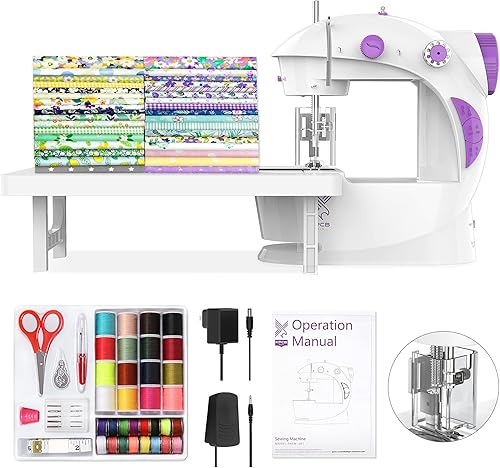
KPCB Tech Sewing Machine for Beginners with Fabrics&Finger
Best for slower supervised practice - 8
 Check it
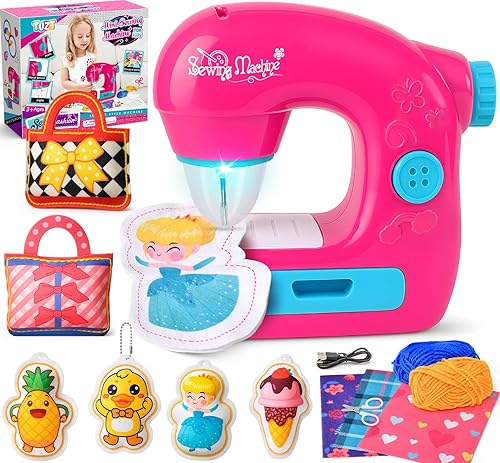
TUZT Mini Sewing Machine Toy Kit
Best for craft-focused beginners - 9
 Check it
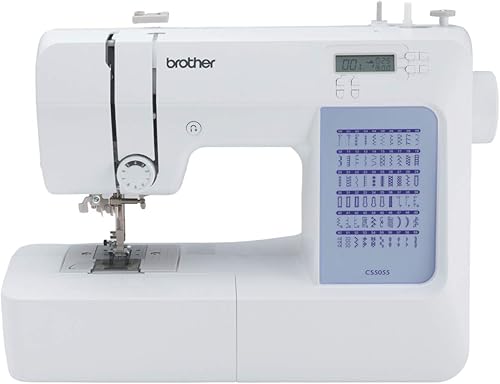
Brother CS5055 Computerized Sewing Machine with LCD
Best for older kids and teens
Which beginner sewing machine for kids is best?
The Brother XM2701 is the best overall choice for a child who wants to build real sewing skills. The SINGER M1500 is simpler to control, while the mini machines are better for limited space, lower speeds or guided craft projects.
That ranking reflects the path most families want. A child who stays interested will outgrow a very basic practice machine sooner than expected.
It is sensible to choose a platform that can support steadier progress.
Still, the best overall machine is not the best first machine for every child. Age, attention span and the adult available for teaching all play a role.
A complicated machine can turn a child away from sewing if setup feels too hard.
Mini machines solve a different problem. They suit small rooms, short lessons and projects such as doll clothing or simple repairs.
Their limits show up with larger fabric pieces, heavier layers and more varied stitches.
Full-size machines give more room to learn. Better workspace, more stitch choices and feet for specific tasks can keep lessons varied.
They also ask more of the adult during threading, tension checks and foot changes.
Use the list below as a shortlist, not as a rule for every home. Match the machine to the child in front of you and to the kind of sewing you can supervise regularly.
Brother Sewing Machine: Best for growing sewing skills
- 27 built-in stitches
- Automatic needle threader
- Drop-in top bobbin
- 6 sewing feet
- Free arm
The XM2701 gives a child more room to grow than a toy-style machine. Its automatic needle threader, drop-in bobbin and free arm make common sewing tasks easier with adult supervision.
Pros
- 27 stitch choices
- Automatic needle threader
- 6 included sewing feet
Cons
- US 120-volt use only
- More machine than a very young beginner may need
The Brother XM2701 gives a child a useful path from first stitches to more varied projects. Its 27 built-in stitches include decorative, blind hem, zigzag and stretch stitches, plus an auto-size buttonhole.
The automatic needle threader removes one small but difficult setup step. Its drop-in top bobbin is designed to resist jams, and the free arm helps with cuffs, sleeves and pant legs.
Six sewing feet cover tasks such as buttonholes, zippers, zigzag sewing, narrow hems, blind stitches and button sewing. The machine also includes a needle set, twin needle, bobbins, screwdriver, power cord, manual and instructional DVD.
For denim projects, see sewing machine needles for denim.
At 12.6 lb, it is heavier than the mini options but still described as portable. Choose it when the child is ready for a real sewing machine and has an adult available for setup and guidance.
SINGER® M1500 Lightweight & Portable Sewing Machine: Best for simple stitch selection
- 57 stitch applications
- Preset stitch length and width
- 4-step buttonhole
- Threading guides
- Accessory kit
The M1500 keeps stitch selection simple with a dial and preset stitch length and width. It fits families that want a portable machine for basic sewing, crafts and mending.
Pros
- Simple dial controls
- Preset stitch settings
- Portable design
Cons
- Fewer built-in stitch types than the Brother XM2701
- Four-step buttonhole
The SINGER M1500 is best for a child who benefits from preset settings and a clear stitch dial. Its 6 built-in stitches create 57 stitch applications, covering straight, zigzag, blind hem, multi-step zigzag, scallop and four-step buttonhole sewing.
The stitch length and width are preset, so a beginner has fewer settings to adjust at once. That can make early lessons calmer because the child can focus on guiding fabric and watching the needle.
Threading guides on the machine show the path for winding the bobbin and threading the upper thread. Clear guides help where an adult may be helping several learners and make it easier to check whether a skipped stitch came from threading or fabric handling.
The four-step buttonhole is simple to follow, although it takes more steps than a one-step method. A child can mark the length, sew each side in turn and see the buttonhole take shape.
Its accessory kit includes all-purpose, zipper and buttonhole feet, a darning plate, needles, transparent Class 15 bobbins, a screwdriver, spool pin felt and a seam ripper with lint brush. Those parts cover common beginner tasks without extra purchases for the first projects.
The M1500 weighs 5 kg and has a compact footprint. It is a strong choice for sewing classes, small work areas and families that want simple mechanical controls, though its stitch menu is smaller than some full-size models.
CraftBud Mini Sewing Machine for Beginners: Best for a complete starter kit
- 50 fabric squares
- 16 threaded bobbins
- 16 spools of thread
- Adjustable speed
- Foot pedal
- Built-in light
CraftBud is aimed at children and adults who need supplies as well as a small machine. Its adjustable speed, guide book, fabric and sewing tools make the first practice session easier to plan.
Pros
- Large starter accessory set
- Adjustable speed
- Expandable table
Cons
- Mini format has less room than full-size machines
- The kit may include more supplies than a child needs at first
CraftBud is the most complete practice setup in this group. The kit includes 50 pieces of 10 x 10 in fabric, 16 threaded bobbins, 4 spare bobbins, 16 spools of thread, clips, needles, a thimble, needle threader, seam ripper, scissors, tape measure, chalk pencil, ruler and guide book.
That fabric gives a child room to practice without worrying about using up a treasured piece. Square pieces are easy to pin, clip and sew into small practice items, and they make it simple to compare seams made at different speeds.
The mini machine adds a built-in light, adjustable speed, foot pedal, dual power option and expandable sewing table. The light helps with dark thread, and the table gives fabric more support than a tiny flat bed alone.
Adjustable speed is useful for first lessons because the child can slow down before corners and curved shapes. An adult should still set the pace at first and show the child how to stop before lifting hands near the needle.
This fits a family that wants supplies ready on day one. It may be more kit than a child needs if you already have fabric, thread and basic tools, and small parts need a clear place away from younger children.
For more accessories, compare the Best Sewing Machine Kits for Beginners before choosing a compact kit.
Chunara Sewing Machine for Beginners: Best for dual-speed practice
- 12 built-in stitches
- Two speed selections
- Foot pedal
- Free arm
- Thread cutter
- Sewing light
Chunara gives beginners a compact machine with two speed choices and a foot pedal. The free arm is useful for cylindrical pieces such as sleeves and pant legs during supervised practice.
Pros
- Two speed selections
- Free arm
- 42-piece sewing kit
Cons
- Smaller stitch selection than full-size models
- Battery and corded use require setup choices
Chunara gives beginners a compact machine with 12 built-in stitches, two speed selections and a foot pedal. The free arm is intended for pant legs, sleeves and other cylindrical items.
Those stitches cover the basics a child needs for practice seams, hems and simple decoration. A shorter stitch menu can be an advantage because there are fewer choices to explain during a lesson.
The child can learn straight and zigzag sewing well before needing decorative stitches.
Its controls include automatic thread rewind, a thread cutter, tension dial and sewing light. The thread cutter and light can make small tasks neater and easier to see.
A tension dial still needs adult guidance because the wrong setting can pull seams or leave loose stitches.
The machine can use battery power or corded electric power, which gives families more setup flexibility. Battery use may suit short practice away from a wall outlet.
Corded use is steadier for longer sessions and avoids changing batteries mid-project.
The 42-piece sewing kit adds supplies for home DIY projects. Because the machine is small and the speed can be reduced, it suits supervised practice for a child who is not ready for a larger full-size machine.
The smaller workspace means large fabric pieces will need folding and careful handling.
Choose Chunara when speed control matters more than a large stitch menu. The SINGER and Brother machines are better if the child will soon work on a broader range of sewing projects.
Mini Sewing Machine for Kids: Best for small repairs and travel
- Two-speed motor
- 110V AC or 4 AA batteries
- Foot control pedal
- Integrated work light
- Automatic bobbin winder
The Sew Mighty Mighty Mini suits children learning basic sewing with close adult supervision, plus families that want a small machine for quick repairs. Its two-speed motor can work with or without the foot pedal.
Pros
- AC and battery options
- Two speeds
- Small-project focus
Cons
- Batteries are not included
- Not a toy and needs supervision
The Sew Mighty Mighty Mini is the best fit for small repairs, travel and short practice sessions. Its two-speed motor can run with the foot pedal or without it, which gives an adult another way to guide a beginner.
The machine operates from a 110V AC adapter or 4 AA batteries. The batteries are not included, and AC and battery power cannot be used at the same time.
An integrated work light, automatic bobbin winder, thread tension controller and cuff notch support basic projects. The box includes the machine, AC adapter, foot control pedal, 2 pre-wound metal bobbins with black and white thread, 2 empty metal bobbins and a replacement needle.
This machine is not a toy. It can be a useful introduction for children who are properly supervised, especially when the project is limited to light repairs or small crafts.
Read How to Use a Mini Handheld Sewing Machine for general mini-machine setup and handling guidance.
Janome Cat Fancy Easy-to-Use Sewing Machine: Best for creative family projects
- 15 built-in stitches
- 4-step buttonhole
- 3-piece feed dog
- Free arm
- Interior metal frame
The Janome Cat Fancy offers a stable full-size path for a child who wants to move from simple practice to garments, patchwork and light quilting. Its controls remain straightforward while the interior metal frame adds stability.
Pros
- Full-size learning platform
- 15 stitch choices
- Tutorial videos
Cons
- Heavier than mini machines
- Child-friendly appearance may not suit every family
The Janome Cat Fancy is a good bridge between a child-friendly starter and a full sewing machine. Its 15 built-in stitches, adjustable stitch settings and four-step buttonhole support garments, patchwork, home decor and light quilting.
Adjustable stitch settings let an adult change length and width for different fabrics and tasks. A child can learn to read the setting, test on scrap fabric and check the result before sewing the project.
A three-piece feed dog helps move fabric under the presser foot, while the free arm supports smaller cylindrical pieces. Even feeding can reduce puckering and help seams stay straighter.
The interior metal frame gives the machine a stable base for learning. Stability can matter when a child sews a longer seam or works with layered fabric.
It does not make the machine suitable for every heavy material, so keep early projects light.
The machine weighs 12 lb and measures 7 x 16 x 12 in. Included accessories include presser feet, bobbins, needles, seam ripper, darning plate, quick-start guide and instruction manual.
Those parts support a move from simple seams to darning, quilting practice and buttonholes.
Choose Janome when the child is serious about sewing and has space for a full-size machine. Its extra room and project range make more sense for a growing hobby than a short craft activity.
KPCB Tech Sewing Machine for Beginners with Fabrics&Finger: Best for slower supervised practice
- Slow and standard speeds
- Finger guard
- 20 cotton fabric squares
- Double-thread design
- Extension table
KPCB Tech combines a slow speed with a finger guard and practice fabrics. It fits a child who benefits from a small learning setup before moving to a larger machine.
Pros
- Slow speed option
- Finger guard
- Practice fabric included
Cons
- Plastic construction
- Mini workspace
KPCB Tech is the strongest mini option for slower practice. It includes slow and standard stitching speeds, a finger guard, 20 pieces of 8 x 8 in cotton fabric and an extension table.
The slow speed is the main benefit for a child who is still learning to guide fabric. Slower movement gives the adult time to talk through hand position and stopping points.
It also lowers the chance that a small mistake becomes a long, crooked seam.
The finger guard adds a helpful safety feature during supervised lessons. It should be treated as support, not as permission to sew without watching the needle area.
Hands still need to stay clear, and the machine should be switched off before needle or bobbin changes.
The double-thread design is intended to sew up to 5 layers of fabric without manual knot ending. That can make practice pieces easier to finish and inspect.
An adult should still test the seam on scrap fabric because thickness, needle choice and fabric type affect the result.
The kit also includes bobbins, scissors, measuring tape, thimble, needle threader and needles. The 8 x 8 in cotton squares are a good size for seams, simple bags and patchwork practice.
The extension table gives the small machine a flatter surface for the fabric.
At 3 lb, this is one of the easiest machines here to move between storage and a work area. Its small size also means the child has less room for large fabric pieces.
Choose it when a finger guard, slow speed and practice fabric matter most.
TUZT Mini Sewing Machine Toy Kit: Best for craft-focused beginners
- Battery and USB powered
- Light
- Finger guard
- 22-piece kit
- 6 sewing crafts
TUZT is designed around guided crafts rather than open-ended garment sewing. The included materials and visual instructions give children a defined project path, with adult supervision still required.
Pros
- Project-based kit
- Light and finger guard
- Battery and USB power
Cons
- Smallest, most toy-like format here
- Battery not included
TUZT is built around guided crafts for children ages 4–12. Its kit includes a battery and USB-powered mini sewing machine, light, finger guard, cloth bags, doll clothes, cotton thread, cotton, chains, USB charging cable, scissors, other fabrics and a manual.
The kit is designed for 6 sewing crafts, including projects that can become personalized keychains. This defined activity path can help a child focus on completing one small project at a time.
Its machine measures 7 x 7.8 x 3.7 in, making it the smallest format in this roundup. The battery is not included, and an adult should guide every sewing session.
Choose TUZT when the goal is a craft gift or first introduction. Choose KPCB Tech or Sew Mighty when the child needs a more general machine for repeated sewing practice.
Read How to Use a Magicfly Mini Sewing Machine for another compact-machine setup reference.
Brother CS5055 Computerized Sewing Machine with LCD: Best for older kids and teens
- 60 built-in stitches
- LCD display
- 7 one-step buttonholes
- Automatic needle threader
- Metal frame
The Brother CS5055 is the most advanced option here for an older child or teen ready to use a computerized machine. Its LCD display and larger stitch selection support longer-term projects.
Pros
- 60 stitch choices
- LCD display
- 7 one-step buttonholes
Cons
- More controls to learn
- US 120-volt use only
The Brother CS5055 is best for an older child or teen who wants more stitch choices. Its 60 built-in stitches, LCD display and 7 one-step auto-size buttonholes support a wider range of garments, crafts and decorative projects.
The automatic needle threader and drop-in top bobbin simplify setup. For another Brother model to consider, see the Brother LX3817 sewing machine review.
A metal frame, fixed needle bar and larger needle-to-arm workspace give the machine a more structured platform for longer projects.
Seven sewing feet, 4 bobbins, a needle set and a user manual are included. It weighs 10.5 lb and uses corded electric power at 120 volts.
This machine has more controls than the mini picks, so it suits a child who can follow threading, stitch selection and foot-pedal instructions. Compare it with the Best Brother Sewing Machines for Beginners for more options from the same brand.
How should you choose sewing machines for beginners kids?
Choose a full-size machine when the child wants to keep learning, and choose a mini machine when space, speed or a short guided project matters more. A child’s interest and adult supervision matter as much as the stitch count.
Should a child start with a mini or full-size machine?
A mini machine takes less space and can offer dual-speed controls, finger guards or battery operation. The trade-off is a smaller work area and fewer features for clothing, patchwork and larger projects.
Those trade-offs shape the kind of lesson you can run at home. A mini machine can sit on a dining table and be cleared away after a short session.
Large fabric pieces may need to be folded, which can make straight seams harder for a beginner.
A full-size machine such as the Brother XM2701, SINGER M1500 or Janome Cat Fancy gives a child more room to grow. These machines need a stable work surface, adult setup help and a clear lesson on the needle, presser foot and foot pedal.
They also give better support for garments, home decor and patchwork.
Speed controls deserve a careful look. KPCB Tech and Chunara offer two speed choices, while CraftBud provides adjustable speed and the Sew Mighty uses a two-speed motor.
Speed control does not replace supervision. Keep hands away from the needle, guide the fabric without pulling it and disconnect power before changing a needle, bobbin or presser foot.
Included kits matter when a child needs fabric, thread and tools for the first project. CraftBud has the largest starter collection here, while KPCB Tech and TUZT provide more focused supplies for practice or guided crafts.
Start with straight seams on cotton fabric, then move to simple bags, small pillows, doll clothing or basic repairs. Mini machines suit light projects, while full-size machines offer more room for garments, patchwork and light quilting.
Are speed controls useful for kids?
Speed controls are useful because a beginner can start slowly while learning how fabric moves. KPCB Tech and Chunara offer two speed choices, while CraftBud provides adjustable speed and the Sew Mighty uses a two-speed motor.
Speed control does not replace supervision. Keep hands away from the needle, guide the fabric without pulling it and disconnect power before changing a needle, bobbin or presser foot.
Do included kits matter?
Included kits matter when a child needs fabric, thread and tools for the first project. CraftBud has the largest starter collection here, while KPCB Tech and TUZT provide more focused supplies for practice or guided crafts.
A kit is less important if your sewing space already has thread, fabric, needles and scissors. In that case, prioritize the machine’s controls, workspace and long-term project range.
What projects can kids learn first?
Start with straight seams on cotton fabric, then move to simple bags, small pillows, doll clothing or basic repairs. Mini machines are best suited to light projects, while full-size machines offer more room for garments, patchwork and light quilting.
Keep early projects short and easy to inspect. A child should learn threading, bobbin placement, presser-foot use and safe stopping before trying thicker or layered fabric.
Which sewing machine is best for an older child?
The Brother XM2701 is the best all-around choice for an older child who wants room to grow. The Brother CS5055 suits a teen ready for computerized controls and 60 stitches.
The SINGER M1500 is the simpler full-size option.
For an older child, the question shifts from basic safety to project range. Garments, fitted pieces and decorative work need more stitch choices and better control over stitch length and width.
A machine that feels limiting can end interest even when the child has learned the basics.
The XM2701 sits in the middle of that path. Its 27 stitches, automatic needle threader, drop-in bobbin and free arm cover common tasks without adding a screen or many menus.
That balance suits a child who wants real sewing skill but still needs adult help with setup.
The CS5055 asks for more independence. An LCD display and 60 stitches open up decorative and heirloom-style work, along with seven one-step auto-size buttonholes.
Those features are most useful when the child can read instructions, choose a stitch deliberately and sew a test piece first.
The SINGER M1500 remains a strong choice when simple mechanical control matters. Preset stitch length and width reduce guesswork during lessons.
For a comparison of another Brother pair, see Brother XR9550 vs SQ9285: Which Should You Choose?. If the child prefers SINGER, our Best Singer Sewing Machine for Beginners guide covers that brand’s beginner options.
Age alone should not decide the machine. Attention span, reading ability and willingness to practice matter just as much.
An older child who rushes may do better with a simpler machine and clear project limits.
What is the best beginner sewing machine for kids overall?
Pick the Brother Sewing Machine if the child wants a real machine that can support many beginner projects. Pick KPCB Tech or Chunara for slower dual-speed practice, TUZT for a guided craft kit, and the Brother CS5055 for an older child ready for more advanced controls.
That short answer works because each option fits a different stage. A real machine supports longer-term skills, while a mini supports short lessons in a small space.
A craft kit supports a defined activity with materials already chosen.
The best choice is the one that matches the child’s age, attention span, available workspace and project plans. A child who loves finishing small crafts may enjoy a kit more than open-ended sewing.
A child who wants clothing or patchwork will need more workspace and stitch control.
Keep every session supervised until the child can safely control the needle area, presser foot and power switch. Supervision should cover threading, bobbin changes and any work near the needle.
The adult can step back gradually as the child shows consistent safe habits.
Plan the first project before the machine arrives. Simple cotton seams, a small bag or a practice pillow gives the child a clear goal.
A finished project teaches more than an hour of free sewing on scraps.
Also plan storage and cleanup. Small parts such as needles, bobbins and feet should live in a closed container.
Clear rules for tidying help the next lesson start with the adult and child focused on sewing.
Our top 3 picks at a glance
-
1
-
2
Best for simple stitch selection
SINGER® M1500 Lightweight & Portable Sewing Machine
9.5/10 our score
See it on Amazon -
3
Best for a complete starter kit
CraftBud Mini Sewing Machine for Beginners
9.3/10 our score
See it on Amazon
Frequently asked questions
What is the best beginner sewing machine for kids?
The Brother Sewing Machine is the strongest all-around choice because it combines 27 built-in stitches, an automatic needle threader, a drop-in bobbin and a free arm. For a younger child, choose a dual-speed mini such as the Sew Mighty or KPCB Tech with close adult supervision.
What should a beginner sewing machine for kids have?
Look for manageable speed settings, simple controls, a foot pedal, clear threading steps and a stable sewing surface. A finger guard can add a safety feature, while an included fabric or craft kit gives a child something specific to practice.
Are mini sewing machines safe for children?
Mini sewing machines still have a needle and moving parts, so they need close adult supervision. A finger guard, slower speed option and clear instruction can help with supervised learning, but a mini machine should not be treated as a toy unless it is specifically sold as a toy kit.
Should kids start with a toy sewing machine or a real machine?
Choose a toy-style kit when the goal is a short, guided craft activity. Choose a real beginner machine when the child wants to learn sewing skills that can grow into clothing repairs, crafts, patchwork or garments.
What is the difference between a mini and full-size kids sewing machine?
A mini machine takes less space and often includes dual-speed controls or a starter kit, but its work area and stitch choices are usually more limited. A full-size machine takes more room but gives a child more control and project range as skills develop.


