Why Does My Thread Keep Shredding?: What You Need to Know
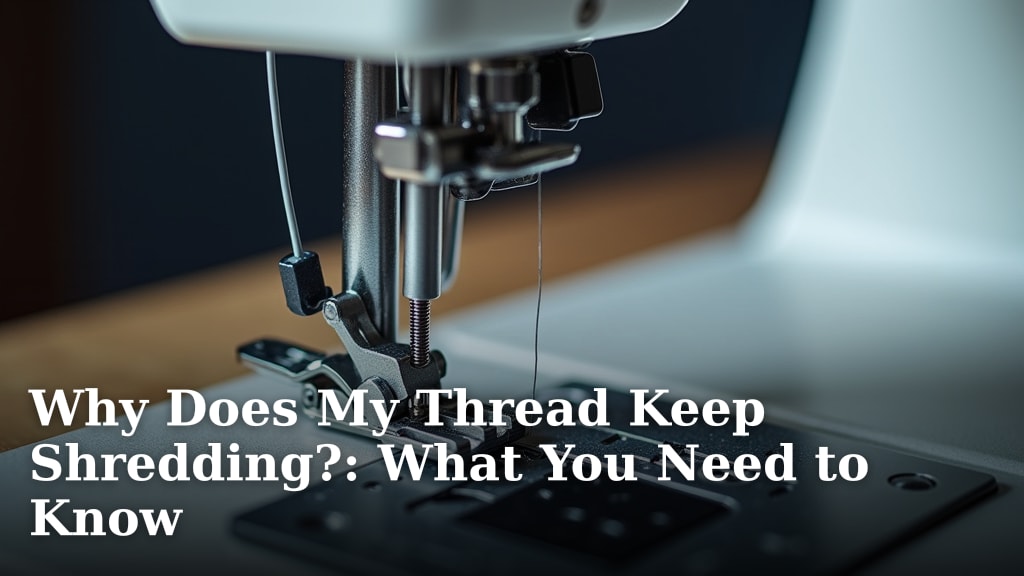
Your thread keeps shredding because of a few common issues. It’s usually caused by a nicked needle, incorrect tension settings, or poor quality thread. Sometimes, the machine itself needs a good cleaning. Don’t worry, we’ll get to the bottom of this.
Dealing with shredded thread is frustrating, right? It can make your sewing projects look messy and stop your machine in its tracks. We’ve researched why this happens and found that most problems are fixable with simple adjustments. Understanding these common culprits can save you time and a lot of hassle.
- Check your needle for damage.
- Adjust your machine’s tension.
- Use good quality thread.
- Clean your sewing machine regularly.
- Make sure your thread path is clear.
Let’s walk through the most likely reasons your thread is shredding and how to fix them.
Troubleshooting Your Shredding Thread: A Simple Guide
Your thread keeps shredding, and you’re wondering what’s going on. It’s a common sewing headache, but thankfully, most causes are pretty straightforward to fix. We’ve looked into why this happens, and it often boils down to a few key areas. Let’s break them down so you can get back to your sewing smoothly.
The Needle: Your First Suspect
When your thread shreds, the first thing you should check is your sewing machine needle. Think of the needle as the gatekeeper for your thread. If it’s not in perfect condition, your thread won’t pass through smoothly.
Is Your Needle Bent or Damaged?
Needles can get bent or develop tiny burrs, especially if you’ve sewn through thick fabric, hit a pin, or just used it for a long time. A bent needle might wobble as it sews, catching and tearing the thread. Even a microscopic snag can cause problems. Many sewing experts recommend changing your needle regularly, often after every 6-8 hours of sewing time (Singer Sewing Company).
How to Inspect Your Needle
Carefully remove the needle from your machine. Roll it gently on a flat surface. If it rocks unevenly, it’s bent. You can also run your fingertip very carefully down the sides of the needle. Feel for any rough spots or nicks. If you find any, it’s time for a new needle.
Choosing the Right Needle Type
Using the wrong type of needle for your fabric is another common thread-shredding culprit. Different fabrics need different needles. For example, a universal needle might work for many fabrics, but knits require a ballpoint needle to avoid snagging. Heavy denim needs a stronger, sharper needle. If you’re unsure, check your fabric and sewing machine manuals for recommendations.
Tension Troubles: Getting It Just Right
Thread tension is like a delicate balancing act. If it’s too tight or too loose, your thread will protest by shredding. Your sewing machine has tension dials, usually for the upper thread and the bobbin. Getting these dialed in is key.
The Upper Thread Tension
This is the most common place to look for tension issues. If the upper thread tension is too tight, it can pull and break the thread as it passes through the fabric. Conversely, if it’s too loose, it can create loopy stitches and also sometimes lead to shredding.
How to Adjust Upper Tension
Most machines have a dial numbered from 0 to 9. Start by setting it in the middle, around 4 or 5. If your thread is shredding, try slightly decreasing the tension (move the dial to a lower number). Always make small adjustments. Test your stitch on a scrap piece of fabric. You’re looking for stitches that look neat on both sides of the fabric.
The Bobbin Tension
While less common, an incorrectly set bobbin tension can also cause thread issues. If the bobbin thread is too tight, it can pull the upper thread down too hard, leading to shredding. If it’s too loose, you’ll get loops on the top.
Checking Your Bobbin Tension
Bobbin tension adjustment is usually a small screw on the bobbin case or bobbin housing. Many manufacturers advise against adjusting this unless you’re experienced, as it’s a finer setting. If you suspect a bobbin tension issue, it might be best to consult your machine’s manual or a repair technician. However, a simple check is to hold the bobbin by its thread and let it drop. It should unwind slightly but not spin freely.
The Thread Itself: Quality Matters
Not all threads are created equal! The quality and type of thread you use have a huge impact on how your machine performs. Using cheap or old thread is a fast track to shredding.
What Makes Thread Shred?
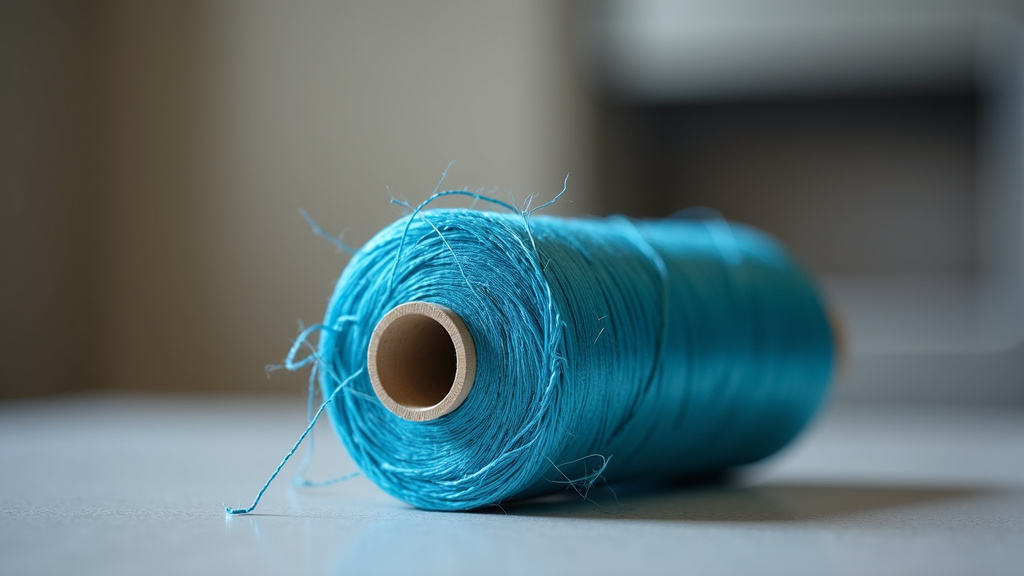
Low-quality threads often have uneven thickness or contain short fibers that break easily. These threads can feel rough and fuzzy. Older threads can also become brittle and lose their strength, making them prone to snapping and shredding.
Why Good Thread is Worth It
Using high-quality thread, often made of 100% polyester or cotton, will give you a smoother sewing experience. These threads are stronger and have fewer imperfections. We found that investing a little more in good thread pays off in fewer skipped stitches and less frustration. Consider brands recommended by experienced sewers or your machine’s manufacturer. Learn more about cotton embroidery thread and its benefits for sewing.
Matching Thread to Fabric and Needle
Just like needles, threads need to be appropriate for your project. A very fine silk thread won’t hold up on heavy upholstery fabric. A thick, textured thread might not fit through the eye of a fine needle. Always try to match your thread weight and material to your fabric and needle size. This ensures a balanced sewing experience.
Machine Maintenance: A Clean Machine is a Happy Machine
Your sewing machine is a mechanical device that needs regular care. Dirt, lint, and old oil can build up over time, interfering with the smooth operation of your machine, including how it handles thread.
The Importance of Cleaning
Lint from your fabric and thread accumulates in all the nooks and crannies of your machine. This buildup can get caught in the thread path, the tension discs, or the bobbin area. This obstruction can snag your thread, causing it to shred. Many sewing machine guides recommend a thorough cleaning after every major project or every few hours of use (Brother International).
Where to Clean
Pay special attention to the bobbin area and the feed dogs (the little teeth that move fabric). Use a small brush (often provided with your machine) to sweep away lint. You might also need a pair of tweezers for stubborn bits. Don’t forget to clean around the tension discs where the upper thread passes.
Oiling Your Machine
Most machines need occasional oiling to keep moving parts running smoothly. Old, gummy oil can attract lint and create friction. Follow your machine’s manual for specific oiling points and frequency. Using the correct sewing machine oil is important; household oils can damage your machine.
Checking the Thread Path
Sometimes, a stray thread tail or a bit of lint can get stuck somewhere in the thread’s journey from the spool to the needle. This little snag can cause all sorts of trouble.
Step-by-Step Thread Path Check
Start with the spool pin and follow the thread’s path. Make sure it’s correctly guided through all the tension discs, guides, and the needle eye. Sometimes, a thread can jump out of a guide or get caught on a rough edge.
The Bobbin Area Again
Double-check the bobbin area. Remove the bobbin case and ensure there are no tangled threads or lint wrapped around the bobbin hook. This is a very common spot for thread jams and shredding to start.
A Quick Checklist for Thread Shredding
Here’s a handy list to run through when your thread starts misbehaving:
- Inspect your needle: Is it bent, dull, or damaged? Replace it if needed.
- Check your thread: Is it old, poor quality, or the wrong type for your fabric?
- Verify tension settings: Make small adjustments to upper and bobbin tension.
- Clean your machine: Remove lint from the bobbin area and tension discs.
- Ensure correct thread path: Make sure thread is guided properly through all guides.
- Use the right needle: Match the needle type and size to your fabric.
Conclusion
You’ve learned that shredded thread is a common sewing frustration with straightforward solutions. We found that addressing a damaged needle, adjusting your machine’s tension, and using quality thread are your best bets. Regular cleaning and ensuring a clear thread path also prevent many issues. By following these simple checks, you can avoid thread shredding and enjoy smoother, more successful sewing projects. Take a moment to make these checks before your next project, and you’ll likely see a big difference.
Frequently Asked Questions
How often should I change my sewing machine needle?
Most sewing experts recommend changing your needle every 6 to 8 hours of sewing time. You might need to change it sooner if you sew through very thick fabrics or hit a pin. A dull or damaged needle is a prime cause of thread shredding.
Can thread that’s too old cause shredding?
Yes, old thread can become brittle and lose its strength. This makes it prone to snapping and shredding during sewing. Always check your thread for signs of age or damage before starting a project.
What’s the difference between universal and specialty needles?
A universal needle works for many common fabrics. Specialty needles, like ballpoint needles for knits or sharp needles for denim, are designed for specific fabric types. Using the wrong needle can snag delicate fabrics and cause thread shredding.
Is it okay to adjust my bobbin tension myself?
Many manufacturers advise caution when adjusting bobbin tension, as it’s a finer setting. If you suspect a bobbin tension issue, consult your machine’s manual or a repair technician. A simple check is to see if the bobbin thread unwinds slightly when held by the thread alone.
What kind of thread is best to avoid shredding?
High-quality threads made from 100% polyester or cotton generally perform best. These threads are smoother, stronger, and have fewer imperfections than cheaper alternatives. Investing in good thread will lead to fewer skipped stitches and less shredding.