What Size Needle for Machine Embroidery?
Choosing the right needle size for machine embroidery is key. For most projects, you’ll want a 75/11 or 80/12 needle. This size works well for a wide range of fabrics and thread types, giving you smooth stitching and preventing skipped stitches or fabric damage. Think of it as the all-around champ for your embroidery machine.
The needle’s job is to create a clean hole for the thread to pass through. Too thick a needle can damage delicate fabrics, while too thin a needle might break or struggle with thicker threads. We’ve found that matching your needle to your fabric type and thread weight is essential for achieving professional-looking results and keeping your machine running smoothly. It’s all about finding that sweet spot.
- Needle size matters for stitch quality.
- 75/11 or 80/12 needles are good all-around choices.
- Match needle size to fabric and thread.
- Proper needle choice prevents skipped stitches and fabric damage.
Let’s break down how to pick the perfect needle size for your next machine embroidery project so you can stitch with confidence.
Choosing the Right Embroidery Needle Size
Picking the correct needle size is surprisingly important for your embroidery machine. It’s not just about making a hole; it’s about making the right hole for your thread and fabric. We found that the most common and versatile needle size is the 75/11 or 80/12. These are often called “universal” needles for a reason. They handle a good range of fabrics, from cotton to denim, and work well with standard embroidery threads. Using this size can help you avoid skipped stitches and keep your machine running smoothly.
Think of your needle like a partner to your thread. If the needle is too big for the thread, the hole might look messy or snag. If the needle is too small for the fabric, it can break. We’ve seen that matching the needle to your project’s needs is a simple step that leads to much better results. It’s a bit like choosing the right tool for a DIY project; the right size makes all the difference.
Understanding Needle Sizing: The Numbers Game
You’ll notice embroidery needles come with two numbers, like 75/11 or 80/12. What do they mean? The first number (75 or 80) is the metric size, measuring the needle’s diameter in millimeters. The larger the number, the thicker the needle. The second number (11 or 12) is the American (or English) size. In this system, a larger number also means a thicker needle.
So, a 75/11 needle is thinner than an 80/12 needle. Most home embroidery machines perform best with needles in this range. When you’re just starting, or for most general projects, sticking with a 75/11 or 80/12 is a safe bet. Many embroidery machine manuals suggest these sizes as the default.
Matching Needles to Fabric Types
The type of fabric you’re embroidering on is a big clue for needle size. Different fabrics have different weaves and weights, and they need different kinds of support from the needle.
Fine and Delicate Fabrics
For lightweight fabrics like silk, satin, chiffon, or very thin cottons, you’ll want a finer needle. A size 60/8 or 70/10 needle is often recommended. These smaller needles create a smaller hole, which is less likely to damage or snag delicate fibers. If you use too large a needle on these fabrics, you risk creating visible holes or even tears.
Imagine trying to sew through a tissue paper with a thick sewing needle. It would likely rip. A finer embroidery needle acts more gently. We found that when working with fine fabrics, it’s also wise to use a sharp point or a microtex needle specifically designed for these materials.
Medium-Weight Fabrics
This is where the 75/11 and 80/12 needles really shine. They are perfect for everyday fabrics like quilting cottons, t-shirts, linen blends, and medium-weight knits. These fabrics are sturdy enough to handle a standard needle without getting damaged, and the needle is thick enough to push the thread through without breaking.
If you’re doing machine embroidery on a tote bag, a standard t-shirt, or a cotton placemat, you’re probably in the medium-weight category. These needles provide a good balance. They make clean holes for the thread without being so large that they leave obvious marks on the fabric.
Heavy and Sturdy Fabrics
When you move to heavier materials like denim, canvas, upholstery fabric, or even leather, you’ll need a thicker needle. A size 90/14 or even a 100/16 needle might be necessary. These larger needles are stronger and can punch through dense weaves and thicker materials more effectively.
Using a thinner needle on heavy fabric is a recipe for disaster. It’s likely to bend or break, potentially causing damage to your machine’s needle plate or even your embroidery unit. We’ve researched that a thicker needle is essential for pushing through these tougher materials and ensuring your thread can pass through cleanly without skipping.
The Role of Thread Weight
Just like fabric, the weight of your embroidery thread plays a big role in needle selection. Embroidery threads come in various thicknesses, and your needle needs to be the right size to accommodate them.
Standard Embroidery Threads
Most embroidery projects use standard polyester or rayon threads, which are typically an “all-around” weight. For these threads, the 75/11 or 80/12 needles are usually a perfect match. The eye of these needles is large enough to easily thread the standard weight thread, and the shaft is strong enough to guide it through the fabric.
Thicker Specialty Threads
If you’re working with thicker threads, such as metallic threads, woolly nylon, or variegated threads that have a thicker section, you might need a slightly larger needle. A 90/14 needle is often a good choice for these heavier threads. A larger needle has a larger eye, which makes it easier to thread the thicker strands and prevents the thread from fraying or breaking as it passes through the fabric.
On the flip side, if you are using very fine threads, like those used for delicate lace work or fine detailing, you might opt for a slightly smaller needle, perhaps a 60/8 or 70/10. This ensures the hole made by the needle isn’t too large for the fine thread, creating a more uniform stitch appearance.
Needle Types and Their Impact
Beyond size, different types of embroidery needles are designed for specific tasks and fabrics. While size is often the first thing you consider, the needle’s point and design are also crucial for achieving clean stitches.
Universal Needles
These are the ones we’ve talked about most – the 75/11 and 80/12. They have a slightly rounded point, which is why they work well for a broad range of fabrics. They are designed to make a hole without damaging most common materials. If you’re unsure, start with a universal needle.
Sharp Point Needles
Also known as sharp or standard point needles, these are great for woven fabrics like cotton, linen, and denim. They have a very fine, sharp point that pierces the fabric cleanly. You’ll often find these in sizes like 70/10 or 75/11 for general use.
Ballpoint Needles
These needles are designed for knits and stretchy fabrics. They have a rounded point that pushes the fabric threads aside rather than piercing them. This prevents runs and snags in stretchy materials. For machine embroidery on t-shirts or activewear, a ballpoint needle in a size like 70/10 or 75/11 is a smart choice.
Specialty Needles
There are also needles for specific tasks, like metallic needles with a larger eye and groove to protect delicate metallic threads, or leather needles with a chisel point. For most everyday embroidery, these aren’t necessary, but they’re good to know about if you encounter specific materials.
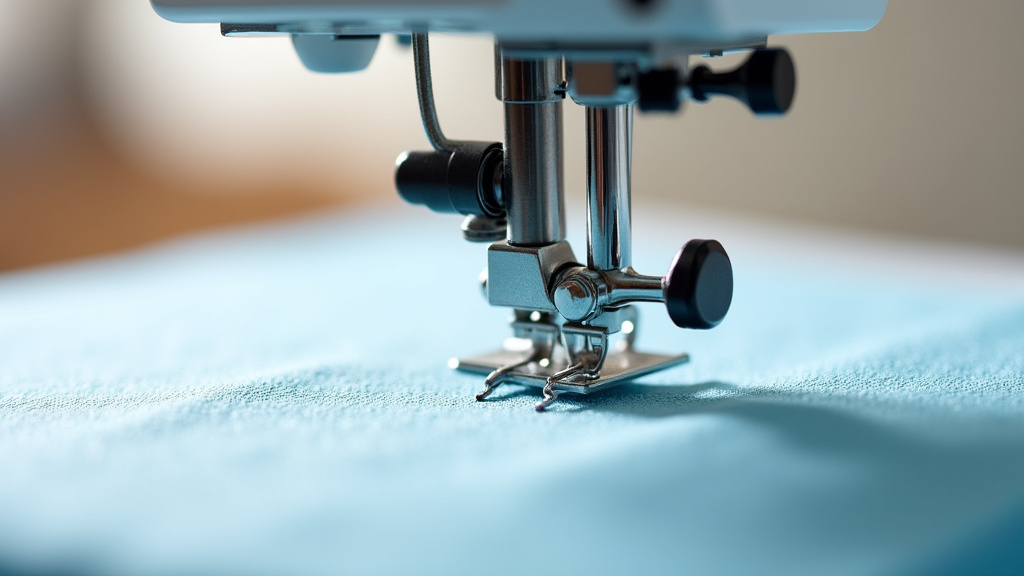
When to Change Your Embroidery Needle
Needles aren’t meant to last forever. They dull with use, and a dull needle can cause all sorts of problems. We found that many users don’t change their needles often enough.
How often should you change your needle? A good rule of thumb is to change your embroidery needle after every 6-8 hours of embroidery or at the beginning of a new project. If you notice any of the following, it’s time for a fresh needle:
- Skipped stitches, especially in a consistent pattern.
- Thread breaking frequently.
- Fabric puckering or snagging around the stitch holes.
- Unusual noises coming from your machine while stitching.
- The needle looking bent or damaged.
Changing your needle regularly is a low-cost way to ensure high-quality stitches and prevent frustration. Many experts recommend having a small supply of needles on hand so you can replace them without interrupting your creative flow.
Your Embroidery Needle Checklist
To help you remember the key points, here’s a quick checklist to guide your needle selection:
- Fabric Type: Is it a knit, woven, delicate, or heavy material?
- Thread Weight: Are you using standard embroidery thread or something thicker?
- Needle Size: Does the needle’s diameter match the fabric and thread? (75/11 or 80/12 are great starting points!)
- Needle Point: Is it a sharp point for wovens, ballpoint for knits, or a specialty type?
- Needle Condition: Is your current needle sharp and undamaged, or is it time for a fresh one?
Conclusion
You’ve learned that choosing the right embroidery needle size is a simple step with a big impact. Matching your needle to your fabric and thread type helps you achieve beautiful, smooth stitches. Remember, a 75/11 or 80/12 needle is your go-to for most projects, but don’t hesitate to go finer for delicate fabrics or thicker for heavy materials. Keep those needles sharp and change them regularly to avoid frustration and machine damage. Your next embroidery project will be so much easier with the right needle in place. Go ahead and stitch with confidence!
Frequently Asked Questions
What happens if I use the wrong needle size?
Using the wrong needle size can lead to several problems. A needle that’s too large can damage delicate fabrics, leaving noticeable holes. Conversely, a needle that’s too small might struggle to pass through thicker materials, leading to skipped stitches or even breaking the needle.
Can I use a regular sewing needle for machine embroidery?
While a sewing needle might work in a pinch for very basic tasks, it’s not ideal for machine embroidery. Embroidery needles are designed with a larger eye to accommodate thicker embroidery threads and a specific point shape to create clean stitches without damaging fabrics or causing thread fraying.
How do I know when my embroidery needle is dull?
You’ll know your needle is dull if you start experiencing skipped stitches, frequent thread breaks, or fabric puckering around the stitch holes. You might also hear your machine making unusual noises. These are clear signs it’s time to swap out your needle for a fresh one.
Are metallic needles really necessary for metallic thread?
Yes, metallic needles are highly recommended for metallic thread. They have a larger eye and a special groove that protects the delicate metallic threads from snagging and fraying. Using a regular needle with metallic thread can quickly damage the thread, leading to broken stitches and a less polished finish.
My embroidery machine manual says to use a 75/11. Can I use an 80/12 instead?
Often, yes. The 75/11 and 80/12 needles are very similar and are considered versatile choices for many projects. If your manual suggests a 75/11, an 80/12 will likely work just fine for most standard fabrics and threads, providing excellent stitch quality. Always monitor your stitches to confirm.