What Is Embroidery Floss vs Embroidery Thread?
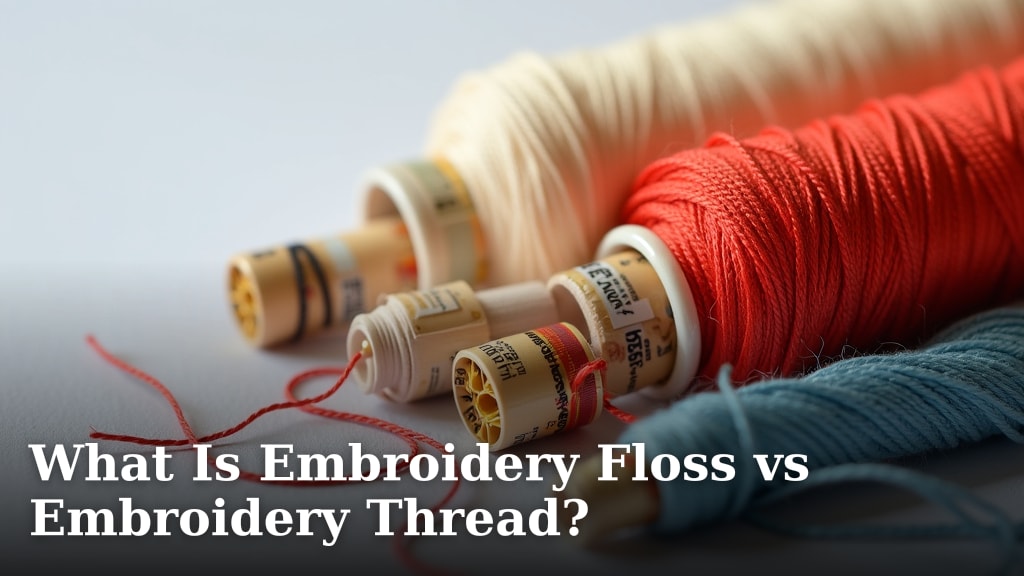
Embroidery floss and embroidery thread are different, primarily due to their thickness and intended use. Embroidery floss is a thicker, divisible strand made of 6 loosely twisted strands, perfect for hand embroidery on fabric. Embroidery thread is usually a finer, single strand, often made of silk or polyester, and is typically used for machine embroidery and creating finer details.
Understanding this difference is key for any stitcher. It affects the look and feel of your finished project. Using the wrong type can lead to frustration and unexpected results. We found that most crafters start with floss and later learn about thread as they try machine work.
- Embroidery floss is thicker and divisible for hand stitching.
- Embroidery thread is finer, usually for machine work.
- The choice impacts your project’s final appearance.
- Floss is great for beginners; thread is for more specific techniques.
So, what’s the real story behind these two? We’re here to clear things up and help you pick the perfect strand for your next creative adventure.
Understanding Embroidery Floss and Thread Differences
Embroidery floss and embroidery thread are different materials. They look similar but are made for distinct purposes. Knowing these differences helps you choose the right one for your project. This makes stitching easier and results better.
We found that most beginners start with embroidery floss. It’s widely available and versatile for handcrafts. Embroidery thread often comes into play when you want to achieve finer details or use an embroidery machine.
What Exactly is Embroidery Floss?
Embroidery floss is the most common material for hand embroidery. Think of it as the workhorse for cross-stitch, needlepoint, and general decorative stitching on fabric. It’s designed to be easy to use and create visible, beautiful stitches.
Composition and Structure of Floss
Embroidery floss is typically made from **cotton**. Sometimes, you’ll find it in silk or rayon, but cotton is the standard. The floss comes as a skein, which looks like a bundle of yarn. This bundle is made up of six smaller strands twisted together.
The key feature of floss is that these six strands are **loosely twisted**. This allows you to separate them. You can use all six strands for a bold stitch. Or, you can pull out one, two, or three strands for a finer, more delicate look. This divisibility is its superpower.
How to Use Embroidery Floss
You’ll usually thread a single strand or a few strands of floss onto your embroidery needle. The number of strands you use depends on the fabric count, the needle size, and the desired effect. For example, bold cross-stitches on 14-count Aida fabric often use all six strands. Finer details or satin stitches might use only one or two strands.
Floss creates stitches that have a bit of texture and dimension. It lies nicely on the fabric surface. Its slight sheen is pleasing. It’s forgiving for beginners learning stitch tension.
What is Embroidery Thread?
Embroidery thread is generally used for machine embroidery. It’s also sometimes used for very fine handwork where you need a smooth, clean line. Its structure and material make it ideal for creating crisp, detailed designs, especially those done by machine.
Types of Embroidery Thread
Embroidery thread comes in various materials. The most common are **polyester** and **rayon**. Polyester thread is known for its strength and durability. It holds up well to washing and wear. Rayon thread offers a beautiful, silky sheen, though it might be less resistant to harsh cleaning.
You might also find cotton embroidery threads. These are often smoother and more uniform than floss. Silk thread is also available for luxury projects, offering a distinct lustrous quality.
Structure of Thread vs. Floss
Unlike floss, embroidery thread is usually a **single strand**. It’s not meant to be separated. This single strand is tightly twisted during manufacturing. This gives it strength and a smooth, consistent finish.
This tight twist means the thread lies flat on the fabric. It doesn’t create as much bulk as floss can. This is important for machine embroidery. The needle on an embroidery machine moves very fast. A strong, smooth thread is necessary to prevent breaks and snags.
How to Use Embroidery Thread
For machine embroidery, you’ll load the thread onto your machine’s spool holder. The machine then feeds the single strand through the needle. The stitch quality from machine embroidery thread is very clean and precise. It’s perfect for lettering, logos, and intricate patterns.
For hand embroidery, you would use the single strand directly. This is great for fine details. Think of tiny French knots or delicate outlines. You won’t be able to divide it like floss. So, the thickness is fixed.
Key Differences Summarized
Let’s break down the core distinctions you need to remember. It boils down to how they are made and what they are best used for.
Thickness and Divisibility
This is the biggest difference. Floss is made of six divisible strands. Thread is a single, non-divisible strand. This impacts the bulk and texture of your stitches.
Material and Finish
Floss is typically 100% cotton. It has a matte to semi-matte finish. Thread can be polyester, rayon, or silk. It often has a higher sheen, especially rayon and silk. Polyester is strong and durable.
Intended Use
Floss is king for hand embroidery. It’s versatile for many techniques. Thread shines in machine embroidery. It provides crispness and speed. It can also be used for very fine hand stitching.
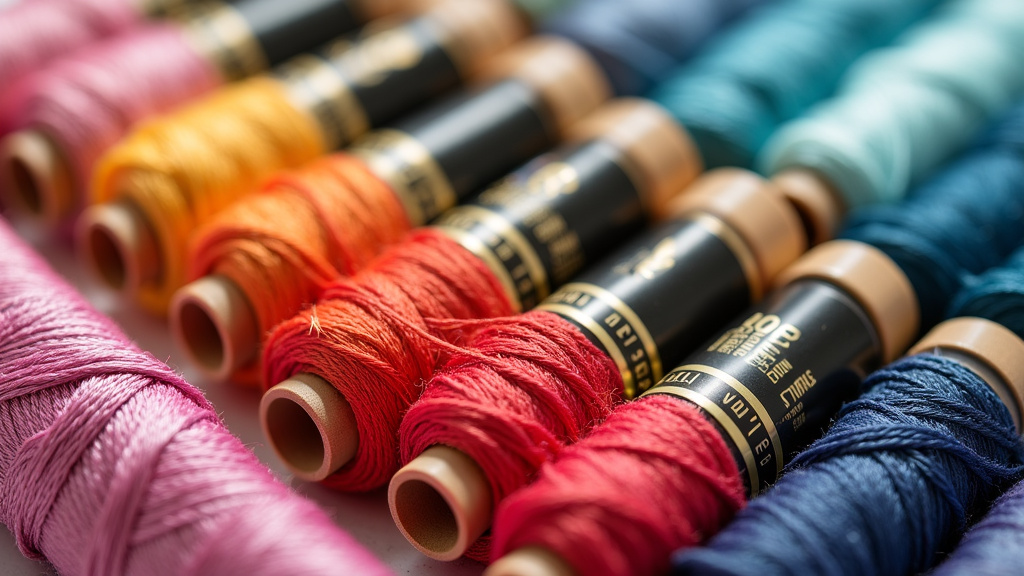
Visualizing the Differences: A Simple Table
Sometimes seeing the key points side-by-side helps solidify understanding. This table highlights the main differences at a glance.
| Feature | Embroidery Floss | Embroidery Thread |
|---|---|---|
| Construction | 6 loosely twisted strands, divisible | 1 single strand, tightly twisted |
| Common Materials | Cotton (also silk, rayon) | Polyester, Rayon (also silk, cotton) |
| Typical Finish | Matte to semi-matte | Shiny, lustrous (especially rayon/silk) |
| Primary Use | Hand embroidery (cross-stitch, etc.) | Machine embroidery, fine hand details |
| Texture/Bulk | More texture, can create bulk | Smoother, less bulk, cleaner lines |
| Beginner Friendliness | Very beginner-friendly | Requires more practice for handwork, machine specific |
When to Choose Which Material
Choosing the right material prevents frustration. It ensures your project looks the way you imagined. Think about the final look and the method you’ll use.
For most beginner hand embroidery projects, like making a sampler or decorating a tote bag, **embroidery floss** is your best friend. Its divisibility means you can control the thickness of your stitches. This gives you flexibility.
If you’re planning to embroider a design using a sewing machine, or if you want to add very fine, precise outlines by hand, **embroidery thread** is the way to go. It’s designed for speed, smoothness, and creating sharp details that floss can’t easily achieve.
Can You Substitute One for the Other?
Generally, it’s best not to substitute directly, especially in machine embroidery. Using floss in a machine can cause it to shred or break. The loosely twisted strands aren’t designed for high-speed machine work.
For hand embroidery, you *can* sometimes use embroidery thread. If you only have a fine embroidery thread, you can try using multiple strands of it to mimic the thickness of floss. However, the finish will be different. Thread might lie flatter and be less textured than floss. Many crafters agree that for the classic hand-embroidered look, floss is superior.
Quick Guide: Choosing Your Stitching Material
To help you decide quickly, consider this checklist:
- Are you using an embroidery machine? If yes, use embroidery thread.
- Are you doing cross-stitch or basic hand embroidery? Embroidery floss is ideal.
- Do you need fine, sharp outlines? Embroidery thread might be better.
- Do you want a textured, slightly matte stitch? Go with embroidery floss.
- Do you need a high sheen on your stitches? Look for rayon or silk embroidery thread.
- Are you a complete beginner just starting hand embroidery? Embroidery floss is your best starting point.
We’ve found that understanding these basic distinctions helps immensely. It takes the guesswork out of selecting materials. Your projects will benefit from the right choice.
Conclusion
You’ve learned that embroidery floss and thread aren’t interchangeable. Floss, with its divisible cotton strands, is your go-to for textured hand embroidery. Embroidery thread, a single strand of polyester or rayon, is built for the speed and precision of machine work or fine hand details. The choice truly impacts your project’s final look and your stitching experience. By understanding their differences, you can confidently select the right material. Next time you gather your supplies, think about your project’s needs and pick the perfect strand for beautiful results.
Frequently Asked Questions
Can I use embroidery floss on my sewing machine?
It’s generally not recommended. Embroidery floss is made of six loosely twisted strands that can shred or break easily when pulled through a fast-moving machine needle. This can lead to frustrating breaks and tangles.
What kind of thread should I use for cross-stitch?
For cross-stitch, you’ll almost always want to use embroidery floss. Its divisible nature allows you to adjust the thickness for the perfect stitch definition on your fabric.
Does embroidery thread have a sheen?
Yes, many types of embroidery thread do. Rayon and silk threads, in particular, are known for their beautiful, lustrous sheen, giving projects a high-end look. Polyester thread can also have a subtle shine.
If I only have embroidery thread, can I still do hand embroidery?
You can, especially for fine details. You won’t be able to divide embroidery thread like floss, so your stitches will be thinner. You might use multiple strands of fine thread together to build up thickness, but the finish will be smoother than with floss.
How do I know if I need a finer stitch for my hand embroidery?
If you’re aiming for delicate details, sharp outlines, or a very smooth finish without much texture, you’ll benefit from using embroidery thread. Floss tends to create more dimensional and textured stitches, which are great but different from the clean lines thread provides.