What Is 60 Weight Embroidery Thread?: Here’s How
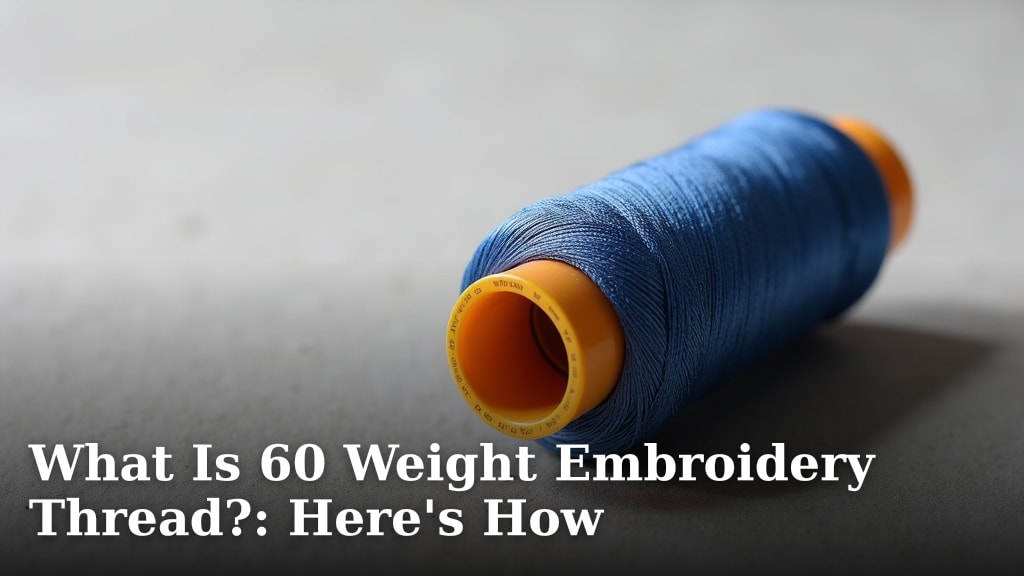
Embroidery thread weight refers to its Understanding embroidery thread weight is key to choosing the right material for your project.thickness. 60 weight embroidery thread is a very fine thread. It’s thinner than standard embroidery thread, making it ideal for detailed work and smaller stitches.
This fine thread allows for more stitches in a smaller area. You’ll get incredibly detailed designs and smooth shading. Many sewers prefer it for digitizing fine lines and creating delicate lettering.
- 60 weight thread is thinner than usual.
- It’s great for detailed embroidery and small designs.
- It allows for more stitches per inch.
- Use it for fine lettering and smooth shading.
- It’s a good choice for fine detail work.
Let’s take a closer look at what 60 weight embroidery thread is all about and how you can best use it in your projects.
Understanding 60 Weight Embroidery Thread
So, what exactly is 60 weight embroidery thread? Think of it like comparing a regular pencil to a fine-tipped pen. 60 weight thread is much **thinner** than the standard embroidery thread you might be used to. This makes it perfect for adding a lot of detail without making your stitches look bulky. You’ll find it’s a favorite for designers working on intricate patterns.
This thinner thread means you can fit more stitches into a smaller space. This is where the magic happens for detailed designs. It allows for smoother transitions between colors and the creation of very fine lines. Many digitizers prefer it for making machine embroidery designs look incredibly sharp and polished. It’s a tool for achieving a **professional finish**.
What Makes 60 Weight Different?
The main difference lies in its diameter. Standard embroidery threads are often 40 weight. 60 weight thread is roughly 60% thinner than that. This difference might seem small, but it has a big impact on how the thread behaves and the look of your finished embroidery.
Because it’s so fine, 60 weight thread can create a more refined look. You get less of a raised, textured look and more of a smooth, almost painted appearance. This is especially useful when you need your stitches to be subtle. It’s like the difference between thick paint and a watercolor wash. You get a much **finer detail**.
Where Does 60 Weight Thread Shine?
This type of thread really excels in projects where **precision is key**. Think about machine embroidery designs that feature tiny details, like the delicate wings of a butterfly or the fine strands of hair in a portrait. 60 weight thread can capture these elements beautifully.
It’s also fantastic for small lettering. If you’ve ever tried to embroider very small text with regular thread, you know how easily it can become a blob. 60 weight thread allows each letter to remain distinct and readable, even at tiny sizes. For anyone working with monograms or small business logos, this thread can be a **real lifesaver**.
Comparing Thread Weights for Embroidery
To truly appreciate 60 weight thread, it helps to see how it stacks up against others. Embroidery threads come in various weights, each suited for different tasks. Understanding these differences will help you pick the right thread for your specific project.
Common Embroidery Thread Weights
You’ll most often encounter threads measured by weight. The lower the number, the thicker the thread. The higher the number, the finer the thread. Here’s a quick rundown of what you might see: Our guide to cotton embroidery thread covers thread weights and sizes.
| Thread Weight | Thickness | Best Uses |
|---|---|---|
| 30 Weight | Thickest | Bold designs, outlines, decorative stitches where texture is desired. |
| 40 Weight | Standard | General embroidery, most machine embroidery designs, everyday use. |
| 50 Weight | Fine | Smaller details, smoother fills, some fine lettering. |
| 60 Weight | Very Fine | Extremely detailed designs, delicate lettering, smooth shading, small fills. |
| 75-100 Weight | Ultra Fine | Specialty applications, invisible stitching, very fine appliqué. |
As you can see, 60 weight falls into the very fine category. It’s not the absolute thinnest available, but it offers a great balance. You get that desirable fine detail without some of the potential handling challenges of ultra-fine threads.
Why Choose a Finer Thread?
Opting for a finer thread like 60 weight opens up new possibilities for your embroidery. It’s not just about aesthetics; it can also affect the performance of your machine and the longevity of your stitches.
One key advantage is the ability to create **smoother shading**. When you’re trying to achieve a gradient effect or blend colors subtly, a finer thread allows for more stitches to be placed in the same area. This means you can build up color transitions more gradually, avoiding harsh lines or visible stitch marks. It’s like using a smaller brush for painting.
Another benefit is its suitability for digitizing. When designs are converted for machine embroidery, finer threads help translate the digital image into stitches more accurately. This means your finished embroidery will look much closer to the original artwork. You get crisper lines and more realistic details. This is especially true for **small lettering and fine lines**.
Working with 60 Weight Embroidery Thread
While 60 weight thread offers fantastic results, it does require a slightly different approach than thicker threads. Think of it like using delicate tools for delicate work. A little extra care can go a long way.
Needle Selection is Key
Using the correct needle is perhaps the most important factor when working with fine threads. A needle that’s too large can create unnecessary holes in your fabric. It can also snag or break the delicate 60 weight thread.
Many experts recommend using **microtex needles** or fine sharp needles in smaller sizes, typically between 60/8 and 70/10. These needles have a sharper point and a finer shaft, designed to pass through fabric cleanly without causing damage. A sharp needle ensures a smooth entry and exit, minimizing stress on the thread.
Tension Adjustments Might Be Needed
Your sewing machine’s tension settings might need a tweak when you switch to 60 weight thread. Because the thread is finer, it behaves differently under tension. You might find that your usual tension settings are too tight or too loose.
We found that it’s often necessary to **slightly reduce the upper tension**. This prevents the fine thread from being pulled too tightly into the fabric, which could cause puckering or breakage. Always perform a test stitch on a scrap piece of your project fabric. Check both the top and bottom of the test stitch to ensure it looks balanced. You’re looking for clean stitches with no looping or thread breakage.
Hooping and Stabilizer Considerations
The fabric and stabilizer you use can also impact how well 60 weight thread performs. For very fine details, it’s best to use a **stable fabric** that won’t stretch or distort easily. This provides a firm base for your stitches.
Your choice of stabilizer is also important. You want a stabilizer that supports the fabric adequately without being too stiff. A tear-away stabilizer is often a good choice for general projects. For very fine or delicate fabrics, a water-soluble stabilizer can provide excellent support and then simply dissolve away, leaving no residue.
When to Use 60 Weight Thread (Checklist)
Still wondering if 60 weight thread is right for your next project? Consider using it when you need to:
- Embroider very small text or lettering.
- Create fine, detailed lines in your design.
- Achieve smooth color blending and shading.
- Add delicate accents to garments or accessories.
- Work with designs that have intricate, tiny elements.
- Achieve a polished, professional look on fine fabrics.
Conclusion
You’ve learned that 60 weight embroidery thread is a fantastic tool for adding fine detail and achieving a polished look in your projects. Its thinness allows for more stitches in a smaller space, making it ideal for delicate lettering, smooth shading, and intricate designs. While it requires careful attention to needle choice and tension, the results are well worth the effort. Next time your project calls for precision, consider reaching for 60 weight thread and see the difference it can make for your embroidery.
Frequently Asked Questions
Can I use 60 weight thread for all my embroidery projects?
While 60 weight thread is excellent for detailed work, it’s not always the best choice for bold outlines or very textured designs. For general-purpose embroidery, a standard 40 weight thread is often more suitable and easier to work with. Consider the specific needs of your design when selecting your thread weight.
Is 60 weight thread more likely to break than thicker threads?
Because 60 weight thread is so fine, it can be more prone to breakage if your machine tension is too high or your needle is dull. Using the correct microtex needles and ensuring your machine is properly set up will greatly reduce the risk of thread breaks. Treat it with a little extra care, and it performs beautifully.
What is the difference between 50 weight and 60 weight thread?
Both 50 and 60 weight threads are considered fine, but 60 weight is even thinner than 50 weight. This extra fineness allows for even finer lines and smoother shading than 50 weight thread. You’ll typically see 60 weight used for the most detailed applications where 50 weight might still appear slightly too thick.
Can I mix 60 weight thread with regular 40 weight thread in the same design?
Yes, you can absolutely mix thread weights. Many designers use 40 weight thread for outlines and bolder elements, and then switch to 60 weight thread for fills, shading, and fine details within the same design. This technique can add depth and visual interest to your embroidery.
Where can I buy 60 weight embroidery thread?
You can find 60 weight embroidery thread at most reputable sewing and embroidery supply stores, both online and in physical locations. Look for brands that specialize in machine embroidery threads, as they often carry a wider range of weights. Check the product descriptions carefully to ensure you are purchasing 60 weight thread.