What Is 40 Weight Embroidery Thread?: Here’s How
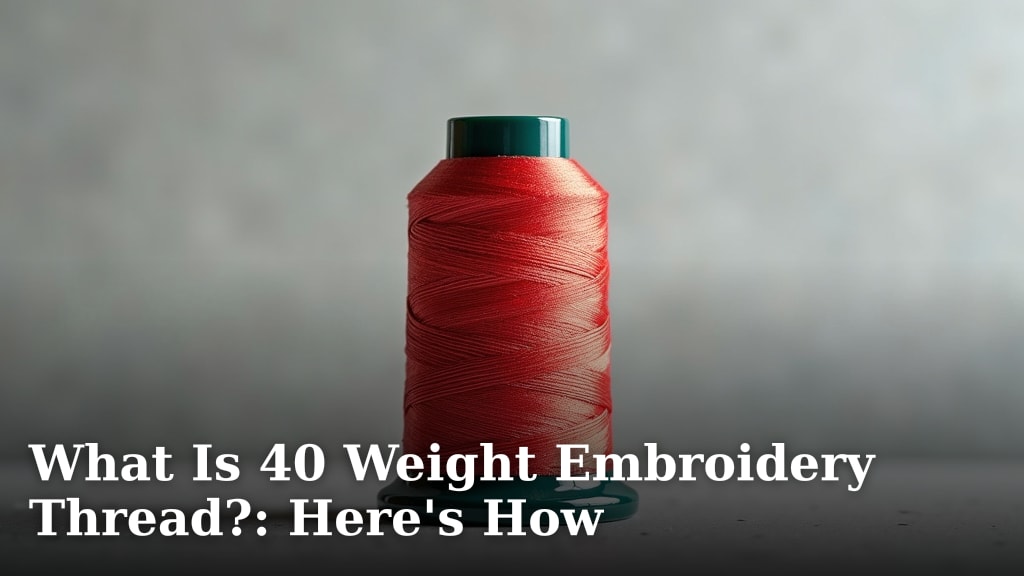
40 weight embroidery thread is a fine, lightweight thread used for delicate embroidery designs. It’s thinner than standard 30 weight thread. This makes it ideal for detailed work and achieving smooth shading. You’ll often find it used for things like facial features or fine lettering.
When you’re aiming for a soft, subtle look or need to create intricate patterns, 40 weight thread is your go-to. It allows for more stitches in a smaller area. This means you can get a higher stitch count and finer detail than with thicker threads. It’s a favorite for machine embroidery enthusiasts wanting that extra polish.
- 40 weight thread is thin and lightweight.
- It’s best for detailed embroidery and shading.
- Allows for more stitches and finer results.
- Use it when you need a delicate or smooth appearance.
- It’s thinner than standard 30 weight thread.
Ready to see how this thread can make your projects shine? Let’s break down exactly what makes 40 weight embroidery thread so special and when you should reach for it.
Understanding 40 Weight Embroidery Thread
So, what exactly makes 40 weight embroidery thread stand out? It’s all about its thickness, or rather, its lack of it. This thread is quite fine, measuring about 40 denier. Think of it like comparing a standard pencil to a fine-tipped pen. The pen lets you draw much finer lines, right? That’s the same principle here.
Many embroidery projects call for that delicate touch. You might want to add subtle shading or tiny lettering. This is where 40 weight thread really shines. It allows your embroidery machine to lay down more stitches in a smaller space. This means you can achieve a higher stitch count and much finer detail than with thicker threads.
What Does “Weight” Even Mean for Thread?
When we talk about thread weight, we’re referring to how thick the thread is. There’s no single universal standard, which can be confusing. However, for embroidery threads, weight is generally measured in denier. Denier is a unit of measurement for the linear mass of fibres or filaments. A higher denier number means a thicker thread.
For example, standard machine embroidery thread is often 30 weight. This means it’s a bit chunkier than 40 weight thread. If you have 60 weight thread, it would be even finer than 40 weight. So, a lower number generally indicates a finer thread in the embroidery world.
Comparing 40 Weight to Other Threads
Let’s get a clearer picture. Most home embroidery machines are designed to work well with 40 weight polyester or rayon thread. This is the most common type you’ll find. It offers a good balance of strength and fineness for a wide range of applications. It’s the workhorse of many embroidery stashes.
You might also encounter 30 weight thread. As we mentioned, it’s a bit thicker. This makes it more visible and can give a bolder look to your designs. It’s great for larger areas or designs where you want the thread to be a prominent feature.
Then there are finer threads, like 60 weight or even 80 weight. These are exceptionally thin. They are perfect for ultra-fine details, like stitching individual hairs or very small lettering. However, they can be more challenging to work with and may require some machine adjustments.
| Thread Weight | Typical Use | Appearance | Pros | Cons |
|---|---|---|---|---|
| 40 Weight | Detailed designs, shading, small lettering | Smooth, subtle | Versatile, good stitch count, finer detail | May not be bold enough for some designs |
| 30 Weight | General embroidery, bold designs, fills | Slightly more prominent | Strong, good visibility, easy to work with | Less detail than 40 weight |
| 60 Weight & Finer | Micro-details, fine shading, fine lettering | Very subtle, almost painted | Extremely fine detail, delicate look | Can be fragile, requires machine adjustments |
When Should You Choose 40 Weight Thread?
Think of 40 weight thread as your go-to for precision. When your design has a lot of small elements or requires subtle transitions, this is the thread you want. It helps create a smooth, professional finish that can really make your projects stand out.
Achieving Delicate Details and Shading
Have you ever admired an embroidered piece with incredibly realistic facial features or soft, blended colours? Chances are, 40 weight thread played a role. Because it’s so fine, you can pack more stitches into a small area. This allows for much more control over colour blending and shading.
Imagine you’re trying to create the subtle curve of an eyebrow or the soft blush on a cheek. Thicker thread would look chunky and blocky. Finer thread, like 40 weight, allows you to mimic those delicate lines and smooth gradients. It’s like painting with a fine brush versus a broad stroke. You gain that ability to add **nuance and depth**.
For Small and Intricate Lettering
Stitching small words or monograms can be tricky. If the thread is too thick, the letters can become blurry or lose their definition. 40 weight thread is often recommended for small lettering, typically below 10mm in height. It helps keep those tiny characters crisp and easy to read.
We’ve found that using 40 weight thread for small text makes a significant difference in clarity. It prevents the letters from bleeding into each other. This is especially important for personalized items or labels where readability is key. Your monograms will look sharp and polished.
When You Need a Softer, Less Textured Look
Sometimes, you don’t want the embroidery to be overly prominent. Maybe you want the fabric to show through a bit, or you prefer a smoother, more understated appearance. 40 weight thread is perfect for this. It lays flatter and creates a less raised effect than thicker threads.
Think about embroidering on delicate fabrics like silk or lightweight cotton. A heavy thread could distort the fabric or look too heavy for the material. 40 weight thread offers a gentler touch. It allows the fabric’s texture to still be appreciated, resulting in a more harmonious blend.
Ideal for Machine Embroidery Designs
Many commercial machine embroidery designs are digitized with 40 weight thread in mind. Designers often use this thread to achieve specific artistic effects. When you use the same weight of thread the designer intended, you’re more likely to get the exact look they created. This helps ensure your finished project matches the picture.
If you’re downloading designs from online sources or using a design software, you’ll often see recommendations for thread weight. Following these guidelines, especially for designs featuring fine details or dense stitching, will lead to the best results. It simplifies the process and avoids potential stitching issues.
Working with 40 Weight Thread: Tips for Success
While 40 weight thread is versatile, it does have some specific needs. Because it’s finer, it can be a bit more prone to breaking or causing tension issues if not handled correctly. A few simple adjustments can make all the difference.
Needle Choice Matters
Using the correct needle is **crucial** when working with fine threads. We found that a sharp, fine embroidery needle is best. Look for needles in the 60/8 or 70/10 size range. A sharper point penetrates the fabric cleanly without causing unnecessary damage.
A needle that is too large can create a hole that’s too big for the fine thread. This can lead to skipped stitches or the thread breaking. Conversely, a needle that’s too small might struggle to pass the thread through the fabric, causing excessive friction. Always check your machine’s manual for recommended needle types and sizes.
Tension Adjustments
Thread tension is always important in embroidery, but it’s especially so with 40 weight thread. You might need to slightly adjust your machine’s tension. Often, you’ll need to lower the top tension compared to what you might use for 30 weight thread.
Why? Because the finer thread is more delicate. Too much tension can cause it to break easily or create puckering. Experiment on a scrap piece of fabric first. You want to see smooth stitches on both the top and the back of the fabric without any thread breakage. It might take a little tweaking to find that sweet spot.
Consider Your Bobbin Thread
Don’t forget the bobbin! For fine embroidery, using a lightweight bobbin thread is also recommended. Many people opt for a 60-80 weight bobbin thread, often in white or black. This ensures that the bobbin thread doesn’t show through on the front of your design, especially in lighter areas.
Using a bobbin thread that’s too thick can create an imbalance. It can pull on the top thread or cause the fabric to warp. A fine bobbin thread works in harmony with your fine top thread. This leads to a clean, professional finish on both sides of your project.
Stabilizer Selection
The right stabilizer is key to supporting your delicate stitches. For projects using 40 weight thread, especially on lighter fabrics, you might lean towards lighter-weight stabilizers. Tear-away or cut-away stabilizers in medium weights are often good choices.
Avoid using overly heavy or stiff stabilizers unless your design absolutely requires it. They can sometimes overpower the fine stitches and make the finished product feel too rigid. A well-chosen stabilizer will support your design without adding unnecessary bulk. It helps keep your stitches crisp and the fabric flat.
Embroidery Thread Material
40 weight thread comes in various materials, most commonly rayon and polyester. Rayon is known for its beautiful sheen and vibrant colours, making it great for decorative designs. Polyester thread is generally more durable and resistant to fading and abrasion.
For general use and for projects that will see a lot of handling, polyester is often a reliable choice. If you’re going for maximum shine and a luxurious feel on a project that won’t be washed frequently, rayon is a wonderful option. Both work well in a 40 weight. The material choice often comes down to personal preference and the specific needs of your project.
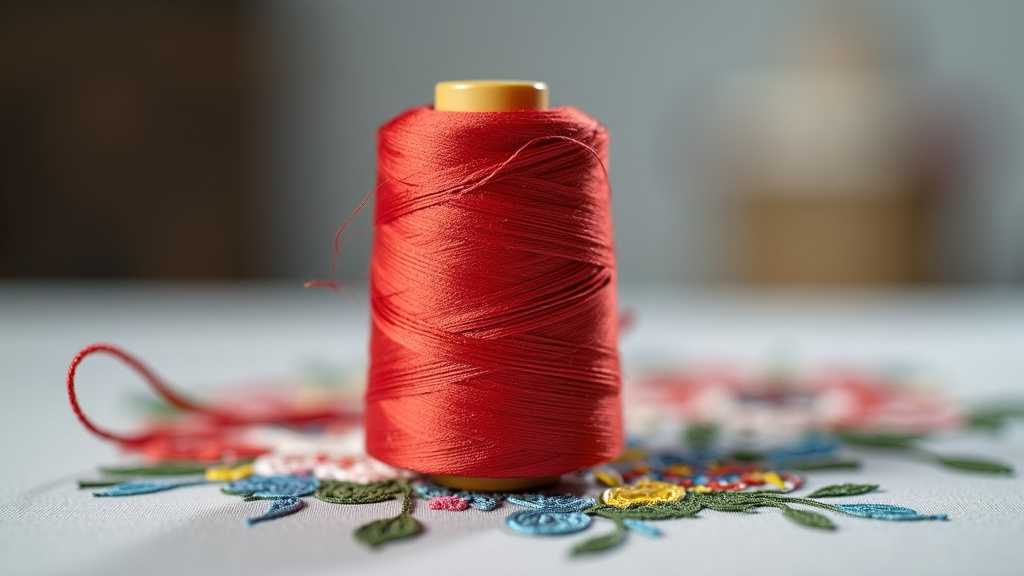
A Quick Checklist for Using 40 Weight Thread
Ready to give 40 weight thread a try? Here’s a quick rundown to help you get started:
- Use a sharp, fine embroidery needle (e.g., 60/8 or 70/10).
- Adjust your machine tension; you may need to lower the top tension.
- Select a fine bobbin thread (60-80 weight) for balance.
- Choose the right stabilizer; lighter options often work well.
- Test stitch on scrap fabric to fine-tune settings before starting.
- Be gentle; fine threads can break if handled too roughly.
Conclusion
You’ve learned that 40 weight embroidery thread is your secret weapon for detailed, smooth designs. Its fine nature allows for more stitches, resulting in incredible nuance and clarity, especially for small lettering and delicate shading. While it requires a few adjustments, like using a finer needle and checking your tension, the results are worth it. By understanding its properties and following a few simple tips, you can achieve a polished, professional finish on your next embroidery project. So, grab that 40 weight thread and start creating those fine details you’ve been dreaming of!
Frequently Asked Questions
Can I use 40 weight thread for all my embroidery projects?
You can use 40 weight thread for many projects, especially those needing fine detail or smooth shading. It’s perfect for small lettering and realistic imagery. However, for bold, large designs where you want the thread to stand out, a thicker thread like 30 weight might be a better choice.
Will 40 weight thread break easily?
40 weight thread is finer and can be more prone to breaking than thicker threads if not handled correctly. Using the right needle size, adjusting your machine’s tension, and being gentle during the stitching process will greatly reduce the risk of breakage. Always test stitch on scrap fabric first.
What is the difference between 40 weight and 30 weight thread?
The main difference is thickness. 40 weight thread is thinner than 30 weight thread. This means 40 weight allows for more stitches in a smaller area, creating finer detail and smoother shading. 30 weight thread is a bit bolder and more visible, suitable for larger designs or when you want a stronger thread presence.
Do I need a special machine to use 40 weight thread?
No, you don’t necessarily need a special machine. Most standard home embroidery machines can handle 40 weight thread. You may just need to make a few adjustments, such as using a finer needle and potentially tweaking your machine’s tension settings, as outlined in the article.
What kind of needle should I use with 40 weight embroidery thread?
It’s best to use a sharp, fine embroidery needle when working with 40 weight thread. Needles in the 60/8 or 70/10 size range are generally recommended. A finer needle creates a cleaner hole in the fabric, which helps prevent the delicate thread from snagging or breaking.