What Is Bobbin Thread for Embroidery?: Here’s How
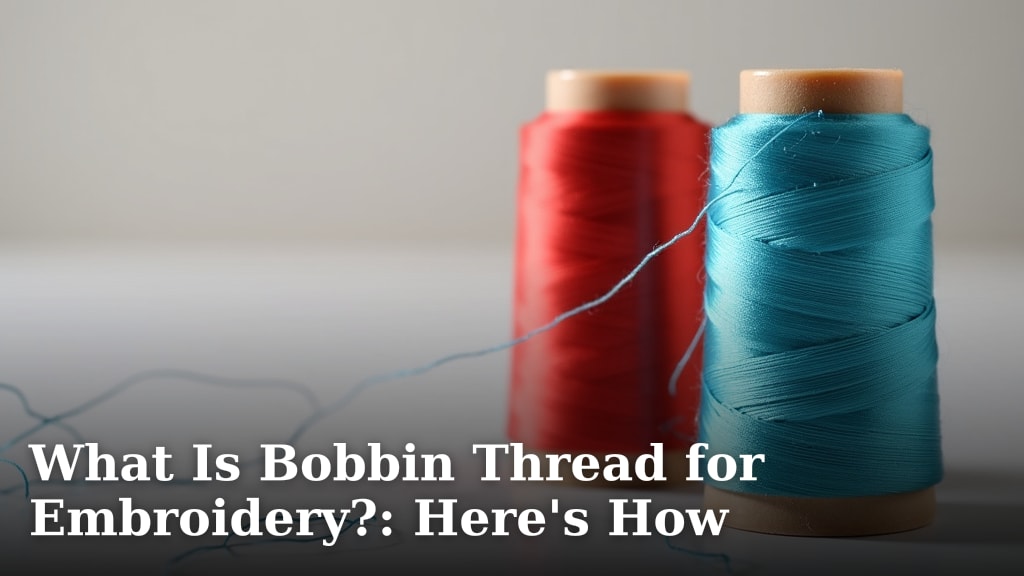
Bobbin thread for embroidery is specialized thread used in the bobbin case of your sewing machine. Its main job is to create the backside of your stitches. Unlike top thread, bobbin thread is typically thinner and stronger. This helps it feed smoothly and prevent thread breaks.
Understanding bobbin thread is key to achieving professional-looking embroidery. The right type ensures your designs are stable and neat. It’s a small detail, but it makes a big difference in the final appearance of your work. Think of it as the quiet support system for your stitches.
- Bobbin thread goes in the bottom of your machine.
- It creates the back of your embroidered designs.
- It’s usually thinner and stronger than top thread.
- Using the right kind prevents thread breaks.
- It helps your stitches look neat and stable.
So, what exactly makes bobbin thread different and how do you pick the best one for your projects? Let’s get into the details.
Understanding Your Embroidery Bobbin Thread
Bobbin thread is the unsung hero of your embroidery projects. It works quietly beneath the fabric. Its job is to create the backside of every stitch. This thread is different from the one on top of your machine. We found that using the right bobbin thread makes a big difference.
What Exactly Is Bobbin Thread?
Bobbin thread is a special type of thread. It’s designed specifically for the bobbin case in your sewing machine. Think of it as the anchor for your embroidery designs. It provides stability and balance to the stitches on the front. Many embroidery experts recommend using a dedicated bobbin thread.
The primary function of bobbin thread is to complete the stitch. When your needle goes down through the fabric, it forms a loop. The bobbin thread then catches this loop. It pulls it through to the back, creating a secure stitch. Without the right bobbin thread, your stitches might look messy or pull the fabric unevenly.
Why Is Bobbin Thread Different?
The key difference lies in its construction and purpose. Top thread is usually more colorful and decorative. It’s meant to be seen on the front of your design. Bobbin thread, on the other hand, is typically The key difference lies in its construction and purpose, and understanding the various types of embroidery thread is important.white or black. It’s also much finer than most top threads. This fineness helps it feed smoothly from the bobbin case.
We found that bobbin thread is often made from polyester. This material is known for its strength and durability. It needs to withstand the tension and friction of the stitching process. Unlike top thread, it doesn’t need to be shiny or have a specific texture. Its main job is to be functional and reliable.
Size and Strength
Bobbin thread commonly comes in very fine weights, like 80 or 100 weight. This is much thinner than standard embroidery thread (usually 40 weight). Being thinner allows more thread to fit on the bobbin. It also helps the thread pass through the needle eye smoothly. This reduces the chance of thread breaks.
The strength of bobbin thread is also important. It prevents snapping during complex designs. Many guidelines suggest using a thread with good tensile strength for embroidery. This ensures your machine runs smoothly without constant interruptions. You want a thread that can handle the demands of embroidery.
Types of Bobbin Thread Available
You’ll typically find bobbin thread in a few main types. The most common is a polyester thread. This is a versatile choice for most embroidery projects. It’s strong, affordable, and works well with a wide range of fabrics and top threads.
Another option is rayon bobbin thread. While less common, it offers a smoother finish. Some people prefer it for very delicate fabrics. However, it might not be as strong as polyester. We found that polyester is generally the go-to for most home embroiderers.
You can also find cotton bobbin thread. This is less common for machine embroidery. It’s often used in hand embroidery. Cotton can be softer but may also be weaker. It might also create more lint in your machine. For machine embroidery, polyester is usually the preferred material.
How to Choose the Right Bobbin Thread
Selecting the correct bobbin thread is not as complicated as it might seem. For most general embroidery, a standard white or black polyester bobbin thread will work perfectly. Think about the fabric you are using. Is it dark or light? You’ll want your bobbin thread color to blend in on the back.
Many experts recommend keeping both white and black on hand. This way, you can match the bobbin to the fabric’s backside. If you’re embroidering on a dark fabric, use black bobbin thread. For light fabrics, use white. This prevents the bobbin thread color from showing through on the front.
Matching Bobbin Thread to Fabric and Top Thread
The general rule of thumb is to match the bobbin thread color to the back of your fabric. This ensures a clean finish. However, some complex designs might require specific bobbin thread colors. We found that for most home users, white and black are sufficient.
Consider the weight of your top thread. If you are using a very thick top thread, you might need to adjust your machine’s tension. The bobbin thread is designed to work with standard embroidery machine tensions. Trying to use an unusual weight for either thread can cause problems. Stick to recommended weights for best results.
Pre-Wound vs. Winding Your Own Bobbins
One of the biggest conveniences in embroidery is pre-wound bobbins. These are bobbins that have already been filled with bobbin thread. You can buy them in bulk. They come in different thread types and colors.
Pre-wound bobbins save a lot of time. Winding your own can be tedious, especially when you need many bobbins for a large project. Many experienced embroiderers rely on pre-wound bobbins. We found that they offer consistent tension and thread winding.
However, some people prefer to wind their own bobbins. This gives you more control over the thread type and how it’s wound. You can ensure it’s wound evenly. If you choose to wind your own, make sure to use a bobbin winder that is compatible with your machine. Also, ensure the thread is wound smoothly and consistently.
Common Bobbin Thread Problems and Solutions
Even with the right thread, you might run into issues. Thread breaks are common. This can happen if your bobbin thread is old, damaged, or not wound correctly. Make sure your bobbin case is clean and free of lint.
Another issue can be skipped stitches. This often relates to tension. If your top thread is too tight, it might skip stitches on the back. If your bobbin thread tension is too loose, it can cause loops. Many machine manuals offer guidance on adjusting tension.
We found that a clean machine is key. Regularly clean the bobbin area and needle plate. Lint buildup can cause a surprising number of problems. A well-maintained machine will help your bobbin thread perform as it should.
A Checklist for Bobbin Thread Success
Here’s a quick way to make sure you’re using bobbin thread correctly:
- Always use a thread specifically labeled as “bobbin thread” for embroidery.
- Keep both white and black bobbin thread on hand.
- Match your bobbin thread color to the backside of your fabric.
- Ensure your bobbin is wound smoothly and evenly, or use pre-wound bobbins.
- Check your machine’s manual for tension settings.
- Clean your bobbin area regularly to prevent lint buildup.
The Impact of Bobbin Thread on Your Embroidery
The quality and type of bobbin thread you use directly impact the final look of your embroidery. A good bobbin thread ensures that your designs are stable and have a clean backing. It helps prevent puckering and thread breaks. Many embroidery professionals emphasize that this often-overlooked element is critical for professional results.
When your bobbin thread works well, your top thread can shine. The design will lay flat and smooth on the fabric. You’ll find your machine runs more efficiently. This means less frustration and more enjoyable stitching time for you. It’s a small detail, but it truly makes a difference in the quality of your finished work.
Conclusion
You’ve learned that bobbin thread is more than just thread for the bottom of your machine. It’s a key component for stable and professional-looking embroidery. Choosing the right type, like polyester, and matching its color to your fabric’s back can prevent many issues. Remember to keep your bobbin area clean and your bobbins wound evenly, whether you wind them yourself or use pre-wound ones. By giving this detail the attention it deserves, you’ll see a noticeable improvement in your finished projects. Your next step is to check your current bobbin thread supply and grab a white and black polyester option if you don’t have them already.
Frequently Asked Questions
Can I use regular sewing thread for my embroidery bobbin?
It’s generally not recommended. Regular sewing thread is often thicker and weaker than dedicated bobbin thread. This can lead to skipped stitches, thread breaks, and a messy appearance on the back of your embroidery. Bobbin thread is specifically designed to be strong and fine for this purpose.
How do I know if my bobbin thread tension is correct?
Your bobbin thread tension is usually correct when the stitches on the back are neat and balanced with the top thread. If you see loops of bobbin thread on the front, the bobbin tension might be too loose. If the top thread is pulling through to the back and looks tight, the bobbin tension might be too tight. Your machine’s manual can offer guidance on adjustments.
What happens if I don’t match the bobbin thread color to the fabric?
If your bobbin thread color is very different from your fabric, it might show through the stitches on the front of your embroidery, especially on lighter fabrics. Using white bobbin thread on dark fabric, or black on light fabric, can cause this visual issue. Matching the bobbin thread to the fabric’s backside ensures a cleaner, more professional look.
Is it okay to use an old bobbin thread?
Old bobbin thread can become brittle and weak, increasing the likelihood of thread breaks. It can also accumulate moisture, which affects its performance. For the best results and to avoid frustration, it’s a good idea to replace your bobbin thread periodically, especially if it has been stored for a long time or in humid conditions.
Can I use different types of bobbin thread for one project?
For consistent results, it’s best to use the same type and weight of bobbin thread throughout a single embroidery project. Using different types can affect tension and stitch quality. Stick to one kind of bobbin thread once you’ve chosen it to ensure your machine runs smoothly and your design looks uniform.