What Weight Thread for Machine Embroidery?
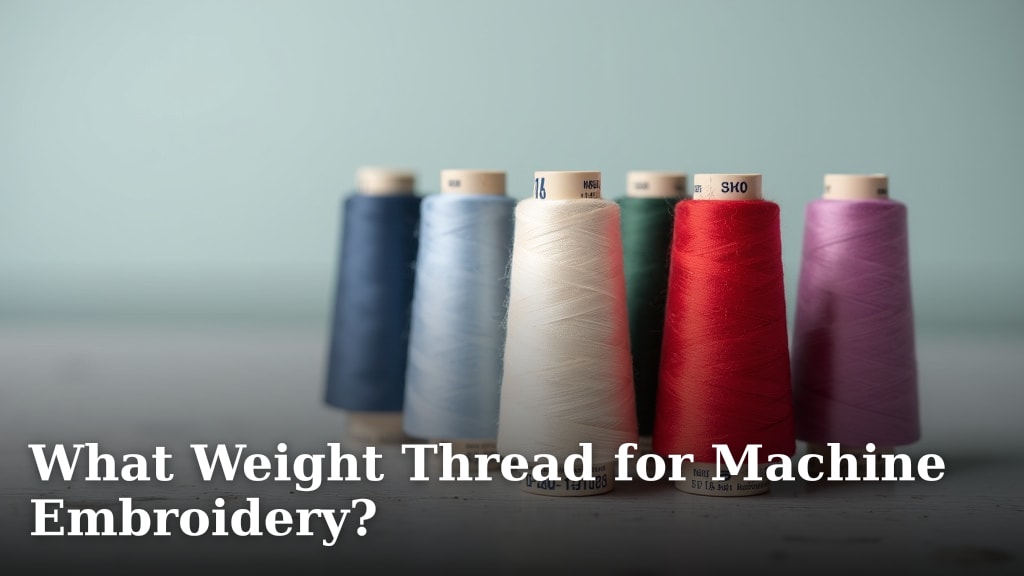
The most common thread weight for machine embroidery is 40-weight polyester or rayon. This versatile weight works for most standard projects. It’s strong, vibrant, and won’t break easily in your machine.
You might also use 30-weight thread for bolder stitches or 50-weight thread for finer details. We found that the best choice depends on your fabric, design complexity, and desired look. Your machine’s manual often recommends a specific range to start with.
- Use 40-weight thread for most general embroidery projects.
- Choose 30-weight for heavier fabrics or dense satin stitches.
- Pick 50-weight for delicate designs and lightweight fabrics.
- Always check your machine’s manual for its recommended weight range.
- Test on scrap fabric before starting your final project.
Below, we’ll walk you through exactly how to choose the right thread weight for your specific project. Let’s make sure your next embroidery piece looks perfect.
Understanding Thread Weight for Machine Embroidery
The weight of your thread is the single biggest factor in how your embroidery looks and performs. It tells you how thick or thin the strand is. Think of it like the difference between a thick marker and a fine-point pen. The right weight ensures your stitches lay flat, look crisp, and don’t cause problems in your machine.
We found that most modern embroidery machines are designed to work beautifully with threads in the 40-50 weight range. This is your starting point. Going heavier or lighter can change everything from the design’s texture to how long it takes to stitch out.
Breaking Down the Common Thread Weights
Thread weight uses a numbering system where a smaller number means a thicker thread. It can feel a bit backward at first, but it’s simple once you get used to it. Here’s what you’ll see most often.
The 40-Weight Workhorse
This is the industry standard for a reason. A 40-weight thread strikes a perfect balance. It’s strong enough to handle dense satin stitches without snapping. It’s also fine enough to render good detail in lettering and small shapes. Most thread brands color-code their 40-weight spools because it’s what people buy most.
- Best for: T-shirt logos, tote bags, hat emblems, and most everyday projects.
- Works well on: Cotton, canvas, fleece, and medium-weight stable fabrics.
- Why it’s trusted: It’s the default recommendation in most machine manuals for standard embroidery (Brother, Singer, Janome).
The Bold 30-Weight Thread
When you need your design to make a statement, 30-weight is your friend. It’s noticeably thicker than the standard 40-weight. This makes it excellent for filling large areas quickly and creating raised, textured effects. The stitches stand out from the fabric.
- Best for: Thick satin stitches on patches, appliqué outlines, and decorative stitching on outerwear.
- Works well on: Heavy fabrics like denim, canvas, and wool. It can be too bulky for lightweight materials.
- A quick tip: Using 30-weight might require you to slow your machine speed down a little to prevent thread breaks.
The Fine 50-Weight for Delicate Details
Switching to a 50-weight thread is like switching from a ballpoint to a fountain pen. It’s finer and creates more delicate, refined lines. This weight is fantastic for intricate designs, small lettering, and photorealistic embroidery where every stitch counts.
- Best for: Detailed portraits, monogramming, and lace-like designs.
- Works well on: Lightweight fabrics like silk, voile, and high-count cotton where a thick thread would pucker the material.
- One caution: While strong, it is finer, so a very dense stitch pattern might require more stitches to fill an area completely.
A Quick Comparison: Thread Weight at a Glance
| Thread Weight | Thickness (Analogy) | Ideal Use | Fabric Match |
|---|---|---|---|
| 30-Weight | Crayon or Thick Marker | Bold fills, patches, satin stitches | Denim, canvas, fleece |
| 40-Weight | Standard Pen | All-purpose, logos, text | Cotton, broadcloth, mid-weight knits |
| 50-Weight | Fine-Point Pen | Intricate details, small text | Silk, linens, high-quality cotton |
Why Thread Material Changes Everything
Weight isn’t the whole story. The material the thread is made from affects its sheen, strength, and care instructions. Polyester and rayon are the two main players.
Polyester vs. Rayon
Polyester thread is incredibly durable and colorfast. It resists fading from washing and sunlight. It’s also less likely to break, making it a very reliable choice. Many commercial embroiderers rely on polyester for its consistency.
Rayon thread is known for its beautiful, silk-like luster. It gives designs a rich, glossy finish that many people love. However, rayon can be slightly weaker than polyester and may fade a bit over many washes. It remains a top choice for decorative projects where shine matters most.
Matching Thread Weight to Your Project
Choosing the right thread is a mini decision tree. Let’s walk through it together.
Start with Your Fabric
What are you embroidering on? A sturdy denim jacket can handle thick 30-weight thread without issue. A delicate silk scarf, however, will pucker and distort if you use anything too heavy. Always let the fabric guide your first choice.
Look at Your Design
Is it a simple monogram with bold letters? 40 or 50-weight will work. Is it a complex logo with lots of small color fills and fine lines? 50-weight might be your best bet to capture all that detail. Large, solid blocks of color? Consider 30-weight for faster stitching and a fuller look.
Test, Test, Test
This is the golden rule. Never start your final project without a test stitch-out. Grab a scrap of the same fabric and use the same stabilizer. Run a small section of your design. You’ll immediately see if the thread weight is too bulky, too fine, or just right. This one step saves hours of frustration.
Practical Checklist Before You Stitch
Run through this quick mental checklist before you wind your bobbin.
- Have I checked my machine’s manual for its recommended weight range?
- Does the thread weight I chose suit my fabric’s thickness and weight?
- Will this thread weight show the detail in my specific design clearly?
- Am I using a compatible thread material (polyester/rayon) for this project’s care needs?
- Have I done a test stitch on a scrap piece with the same materials?
A Final Thought on Bobbins and Tension
Remember, your top thread and bobbin thread need to work as a team. If you use a heavy 30-weight on top, using a very fine bobbin thread might cause tension issues. A common practice is to use a slightly lighter weight bobbin thread (like a 60 or 90-weight) than your top thread. This often creates a better balance on the underside of your hoop. Always, always test your tension when you change thread types or weights.
Conclusion
Choosing the right thread weight for machine embroidery comes down to matching it to your fabric, design, and desired look. Most of your projects will thrive with a standard 40-weight thread. You’ll reach for 30-weight for bold, textured fills and 50-weight for delicate, intricate details. Our research and found that the key to success is always a test stitch on scrap fabric. This simple step prevents most headaches. Your machine manual is your best friend for initial guidance. Now, grab your thread, hoop up some scrap fabric, and confidently test the weight that feels right for your next creative project.
Frequently Asked Questions
Can I mix different thread weights in one embroidery design?
Yes, you absolutely can, and it’s a great technique. You might use a 40-weight for the main fills and switch to a 50-weight for fine details within the same design. Just be sure to stop and rethread your machine carefully. We recommend testing the design first, as the tension may need slight adjustment when switching weights mid-project.
What thread weight is best for beginner machine embroiderers?
Starting with 40-weight polyester thread is the safest bet for beginners. It’s the industry standard, forgiving, and works on a wide variety of common fabrics. Most embroidery machines are optimized for this weight right out of the box, which helps you achieve good results while you learn.
Is there a special thread weight for bobbin thread?
Yes, bobbin thread is typically much lighter, often in the 60 to 90-weight range. Using this finer thread in your bobbin creates less bulk on the back of your work and helps maintain proper tension with your standard top thread. It’s specifically designed to be strong yet fine.
Does thread weight affect how much a design will pucker?
Yes, it can. Using a thread that is too heavy (like 30-weight) on a lightweight, delicate fabric is a common cause of puckering. The thick thread pulls on the fabric. Choosing a finer weight, like 50-weight, for delicate materials helps the stitches lay flat without distortion.
Can I use all-purpose sewing thread for machine embroidery?
It’s not recommended. All-purpose sewing thread is usually 50-weight or lighter but is constructed differently and is often weaker than dedicated embroidery thread. It is more likely to break under the speed and tension of an embroidery machine. Using proper embroidery thread ensures better results and protects your machine.