What Is Variegated Embroidery Thread?: Here’s How
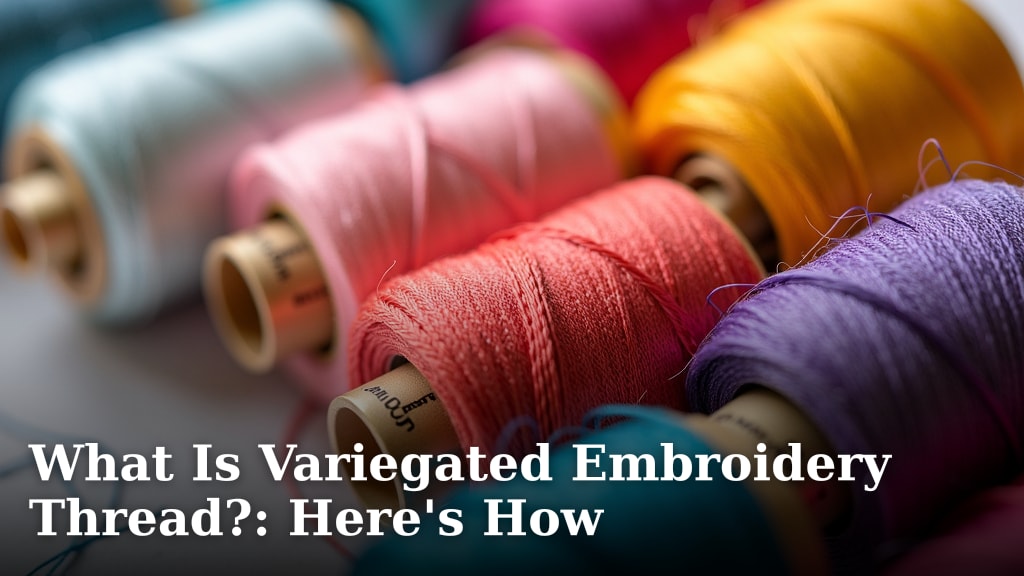
Variegated embroidery thread is a type of thread that changes color along its length. This simple feature lets you create beautiful gradient effects in your stitching without manually switching threads. It’s a favorite for adding a touch of elegance to many projects.
We found that this thread is often made by dyeing different sections in a planned sequence. It’s perfect for floral motifs or landscape scenes where subtle color shifts make a big difference. Many crafters say it saves time while boosting creativity.
- Variegated thread has multiple colors in one strand.
- It’s dyed in segments to create a flowing look.
- Common uses include decorative borders and nature-inspired designs.
- You can find it in cotton, silk, or polyester.
- It helps avoid frequent thread changes during embroidery.
Below, we’ll break down how it’s made and share practical tips for using it in your own work.
Understanding Variegated Embroidery Thread and How It’s Made
Think of it as the “chameleon” of the craft room. This thread is a single strand dyed to transition through a planned sequence of colors. It’s not randomly speckled; the color changes follow a consistent, repeatable pattern. Manufacturers achieve this by applying dyes in sections along the length of the thread before it’s wound onto the spool.
The Manufacturing Process Explained
We found that creating variegated thread involves a controlled dyeing technique. The thread is typically measured out and clamped. Specific segments are then immersed or painted with different dyes. The result is a smooth gradient where colors flow into one another. The distance between color changes is key—it’s called the “repeat length.”
What Determines the Color Pattern?
The pattern depends on two main factors. First is the **color sequence** chosen by the designer. Second is the **repeat length**, which dictates how quickly the colors cycle. A short repeat creates a tight, speckled look. A long repeat produces sweeping, gradual shifts perfect for larger motifs.
Common Fiber Types and Their Traits
Variegated thread isn’t one-size-fits-all. It’s crafted from various fibers, each with its own personality. The choice affects the thread’s shine, strength, and how it takes the dye. Here’s what you’ll typically find on the shelf.
| Fiber Type | Key Characteristics | Best For |
|---|---|---|
| Cotton | Matte finish, soft feel, breathable | Quilting, traditional embroidery, clothing accents |
| Polyester | High sheen, very strong, colorfast | Machine embroidery, items that need washing often |
| Silk | Luxurious luster, fine, delicate | Heirloom projects, fine needlework, decorative pieces |
| Metallic Blends | Sparkle with color, can be stiff | Holiday ornaments, festive touches, adding glamour |
Choosing the Right Variegated Thread for Your Project
Picking the perfect thread is half the fun. Your decision should start with the project itself. What are you making? A delicate handkerchief or a sturdy tote bag? The answer guides you toward the right fiber and weight.
Reading the Color Swatch on the Label
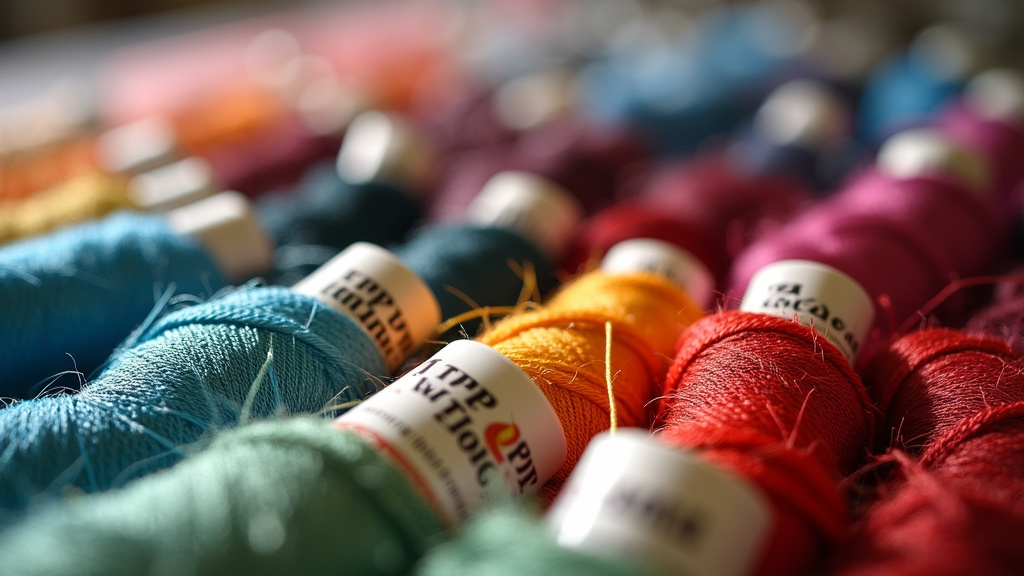
The small image on the spool is your roadmap. It shows the **full color sequence** and its repeat length. If the swatch shows a quick mix of blues and greens, expect a busy, confetti-like effect. If it shows long bands of red, orange, and yellow, anticipate a sunset-like gradient across your work.
Matching Thread Weight to Fabric
Thread weight is a simple concept: lower numbers mean thicker thread. A **40-weight** thread is standard for most machine embroidery. A **60-weight** thread is finer, ideal for detailed handwork or lightweight fabrics. Using a thread that’s too heavy for your fabric can cause puckering and distortion.
Practical Tips for Using Variegated Thread
Ready to thread your needle? Let’s talk technique. Using this thread has a few unique considerations. Getting these right will make your results look professional and intentional.
For Hand Embroidery Enthusiasts
Your needle is your paintbrush. The thread’s color change becomes part of your art. When stitching a long satin stitch, the color will shift as you go, creating depth automatically. For very precise color placement, you might start a new stitch at a specific point in the color cycle.
- Use a longer stitch length to showcase more of the color gradient within a single line.
- Plan your starting point. Beginning with the same color each time can create a cohesive, rhythmic pattern in your design.
- Embrace the surprise. Some of the most charming effects come from letting the thread’s colors fall where they may.
For Machine Embroidery Users
Your embroidery machine handles the tension, but you control the design. Digitized patterns specifically designed for variegated thread are a great place to start. These patterns are crafted with stitch lengths and directions that highlight the color flow. However, you can experiment with standard patterns too.
Adjusting Your Machine Settings
We found that a slightly **longer stitch length** (e.g., 4.0mm instead of 3.5mm) can help the color variations show up more clearly. Always do a test stitch on a scrap piece of fabric first. This simple step lets you see how the colors will appear in your specific design before committing to your final project.
Common Pitfalls and How to Avoid Them
Even seasoned stitchers can hit a snag. Here are the most frequent issues with variegated thread and their straightforward fixes. Don’t let a little twist in the thread ruin your day.
Problem: Uneven Color Distribution
You expected a smooth gradient but got a big blob of one color. This often happens with very short repeat lengths or in densely packed stitch areas. The solution? **Change your stitch direction.** Rotating the angle of your stitches can break up the color pooling and distribute it more evenly.
Problem: Thread Tangling or Breaking
This is usually a tension issue. The thread must flow smoothly from the spool. Make sure it’s feeding from the **side of the spool**, not the top. For machines, check that your top tension isn’t too tight. For handwork, ensure your thread isn’t twisted tightly upon itself as you stitch.
Project Ideas to Get You Started
Need a little inspiration? This thread shines in projects that benefit from subtle or bold color movement. It adds a dynamic element that solid colors simply can’t replicate. Here are a few ideas perfect for beginners and beyond.
- Floral and botanical designs: Petals and leaves naturally have color variation. Variegated thread does the work for you.
- Abstract or geometric borders: A repeating pattern becomes a mesmerizing, shifting ribbon of color.
- Monograms and lettering: Give initials a sophisticated, multidimensional look.
- Seasonal motifs: Imagine a pumpkin with shades of orange and rust, or a snowflake with icy blue and white transitions.
A Simple Checklist Before You Stitch
Keep this quick list handy for your next session. A moment of preparation saves hours of frustration.
- I have checked the **color swatch** and repeat length on the spool.
- I have chosen a **compatible thread weight** for my fabric thickness.
- I will **do a test stitch** on a scrap piece first.
- I have confirmed my **thread is feeding smoothly** from the spool.
- I have considered **stitch length and direction** to best show the colors.
Using variegated embroidery thread is a fantastic way to add depth and interest to your work with minimal extra effort. It combines the beauty of multiple colors with the convenience of a single thread. So next time you’re looking to add a special touch, consider letting the thread’s own colors do some of the talking. Happy stitching!
Conclusion
Variegated embroidery thread offers a simple way to add beautiful, shifting color to your projects without the hassle of switching spools. By understanding how it’s made, choosing the right fiber for your fabric, and using practical stitching tips, you can create designs with depth and movement. Remember to always check the color swatch on your spool and do a test stitch first. This small preparation helps you avoid common pitfalls and ensures your results look polished.
The most important step is to start experimenting. Pick a simple pattern, like a floral motif or a geometric border, and see how the thread’s gradient brings it to life. Happy stitching!
Frequently Asked Questions
Can I use variegated thread for machine embroidery, or is it only for hand stitching?
Yes, variegated thread works very well for machine embroidery. Many stitchers use it with standard and specially digitized patterns. Just remember to do a test stitch on scrap fabric first and consider using a slightly longer stitch length to let the color changes show clearly.
How do I prevent the colors from pooling unevenly in my design?
Uneven color distribution often happens with short repeat lengths in dense areas. You can avoid this by changing the direction of your stitches or adjusting the stitch density. This helps break up the color blocks and creates a more balanced, gradual effect.
What is the best type of variegated thread for a beginner to try first?
A cotton variegated thread is often a great starting point. It has a soft, matte finish and is easy to handle. It’s forgiving for both hand and machine projects, making it a solid choice for your first experiments.
Will the color of the variegated thread look the same on different fabric types?
The fabric can influence the final look. A sheer or light-colored fabric might make the thread colors appear more vibrant. A thick, dark fabric could make the colors less distinct. Always test on your actual project fabric to see how the thread appears.
How do I choose between a short or long color repeat length?
The choice depends on your design. A short repeat creates a tight, speckled, or confetti-like pattern, ideal for small details. A long repeat produces sweeping gradients, perfect for larger motifs like landscape scenes or flowing borders. Check the swatch on the spool to see which you prefer.