What Is Metallic Embroidery Thread?: Here’s How
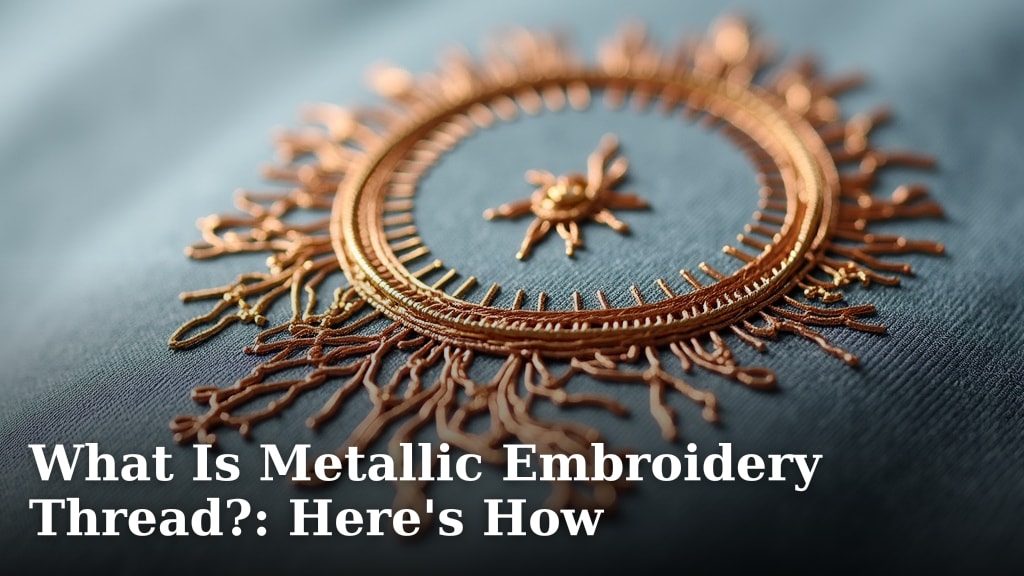
Metallic embroidery thread is a specialty thread made from a thin, flat strip of metal or metal-coated polyester. It’s designed to add a bright, reflective metallic finish to your stitched designs. Think of it as the glitter that makes embroidery projects pop with shine.
You might use it to add elegant accents to clothing or create sparkling details on holiday gifts. We found that it’s very popular for embellishments on everything from T-shirts to decorative pillows. However, it requires careful handling because its specialty nature means it behaves differently than regular thread.
- It’s a thread with a flat, metallic core for added shine.
- Often used for special accents on clothing, gifts, and home decor.
- Can be trickier to work with than standard cotton or polyester.
- Best used with the correct needle and machine settings.
- A good option for adding a little luxury to your projects.
Below, we break down everything you need to know to use this shiny thread successfully. Let’s walk through exactly how it works step by step.
Understanding Metallic Embroidery Thread and How It Works
Metallic embroidery thread is a specialty thread that contains a thin strip of metal or a metal-coated polyester core. This flat core is wrapped with a thin outer layer, giving it that signature shiny, reflective look. You can think of it like wrapping a tiny ribbon of foil around a strand of thread.
Regular cotton or polyester thread is round and smooth. Metallic thread is flat and often stiffer. That’s why it behaves differently in your sewing machine. It catches light, so it adds a bright sparkle that standard thread simply can’t match.
Many hobbyists and professionals we researched report that metallic thread adds a professional touch to their designs. It’s especially popular for holiday projects, formal wear, and decorative home items. However, we found that it requires patience and the right setup.
What Makes Metallic Thread Different
The biggest difference is the metal core. This core is usually made from aluminum or a similar lightweight metal. Some threads use a polyester base coated with metal, which makes them a bit more flexible. Either way, the thread is thinner and flatter than what you’re used to.
Because of this, metallic thread can fray or break if you rush through a project. You need to treat it with care. Many experts say that slowing down your machine speed is one of the most important steps for success.
The Core Materials Inside Metallic Thread
There are a few common core materials used in metallic embroidery thread:
- Aluminum — lightweight and gives a bright, silver-like shine.
- Mylar — a type of polyester film that is flexible and durable.
- Gold or copper coatings — used for warmer tones like gold or rose gold.
- Polyester base with metallic coating — blends durability with shine.
Each material affects how the thread drapes, shines, and holds up over time. We found that polyester-based metallic threads tend to be more forgiving for beginners (Craftsy).
Common Types of Metallic Embroidery Thread
Not all metallic threads are the same. They come in different weights, finishes, and colors. Knowing the types helps you pick the right one for your project.
Here’s a simple comparison to help you choose:
| Type | Best For | Shine Level | Ease of Use |
|---|---|---|---|
| Rayon metallic | Decorative embroidery | High | Medium |
| Polyester metallic | Clothing accents | Medium-High | Easier |
| Real metal thread | High-end craft work | Very High | Harder |
| Glitter metallic | Fun, casual projects | Medium | Easier |
For most beginners, polyester-based metallic thread is the safest bet. It’s less likely to break and works well in most home sewing machines.
Best Projects for Metallic Embroidery Thread
So, where should you actually use metallic thread? We found that it shines brightest on projects where you want a bold visual accent rather than stitching an entire design with it.
Think about adding a gold border to a holiday stocking. Or stitching a silver monogram on a tote bag. These small touches make a big difference. Metallic thread works great on:
- Holiday decorations — ornaments, stockings, and gift tags.
- Formal wear — jackets, blouses, and evening dresses.
- Home decor — throw pillows, table runners, and wall art.
- Custom gifts — personalized bags, blankets, and cards.
One thing to keep in mind: metallic thread is not ideal for everyday, heavy-use items. If you’re stitching a work jacket that gets washed weekly, the thread may lose its shine over time. Use it on items that won’t see heavy wear or frequent washing.
When to Skip Metallic Thread
There are times when metallic thread isn’t the best choice. For instance, if you’re working on a design that requires high durability or if the fabric is very thick and stretchy. Metallic thread can snap on thick fabrics.
Also, avoid using it on items that need to be machine-washed in hot water. The heat can damage the metallic coating. If you’re unsure, test a small piece first.
How to Use Metallic Embroidery Thread Effectively
Now that you know what metallic thread is, let’s talk about how to actually use it. The key is preparation. Getting your machine and needle set up correctly makes a world of difference.
Many beginners skip this step and end up frustrated when the thread keeps breaking. Don’t make that mistake. Take a few minutes to set things up right.
Choosing the Right Needle and Machine Settings
The needle you use matters a lot. You need a needle with a larger eye so the thread can pass through smoothly. A standard needle can cause the thread to fray or catch.
Here’s what to look for:
- Metallic or topstitch needles — these have larger eyes and are designed for specialty threads.
- Size 80/12 or 90/14 needles — good sizes for most metallic threads on home machines.
- Reduce machine speed — run your machine at a slower pace, about 30-50% of normal speed.
- Lower thread tension — metallic thread is thinner, so you may need to adjust the tension slightly.
We found that using a topstitch needle is one of the easiest fixes for thread breakage (Sewing Pattern Review). It gives the thread more room to move without friction.
Also, make sure your thread spool is positioned so it unwinds smoothly. If the thread tangles, it can snap.
Common Mistakes to Avoid
We’ve seen a few patterns among people who struggle with metallic thread. Here are the most common mistakes and how to fix them:
- Going too fast — slow down your machine. Patience prevents breakage.
- Using the wrong needle — switch to a metallic or topstitch needle.
- Ignoring tension — test on scrap fabric first to find the right setting.
- Not using a thread stand — a thread stand helps the thread feed smoothly.
- Pulling the thread tight — let the machine do the work; don’t tug.
One trick many pros use is to wind the bobbin slowly. Metallic thread can stretch if you wind it too fast. A slow, even wind keeps it from losing its shape.
Tension and Threading Tips
Getting the tension right is crucial. If the tension is too tight, the thread will break. If it’s too loose, you’ll get loops on the back of your fabric.
Start by testing on a scrap piece of fabric. Adjust the tension gradually until the stitches look clean. Most people find that a slightly lower tension than usual works best with metallic thread.
Another tip: thread the machine carefully. Follow the threading path exactly. Even a small tangle can cause issues. Many experts say that proper threading is the single most important step for avoiding thread breakage.
You might also want to use a thread net or a thread guide. These small tools help keep the thread from tangling as it feeds through the machine.
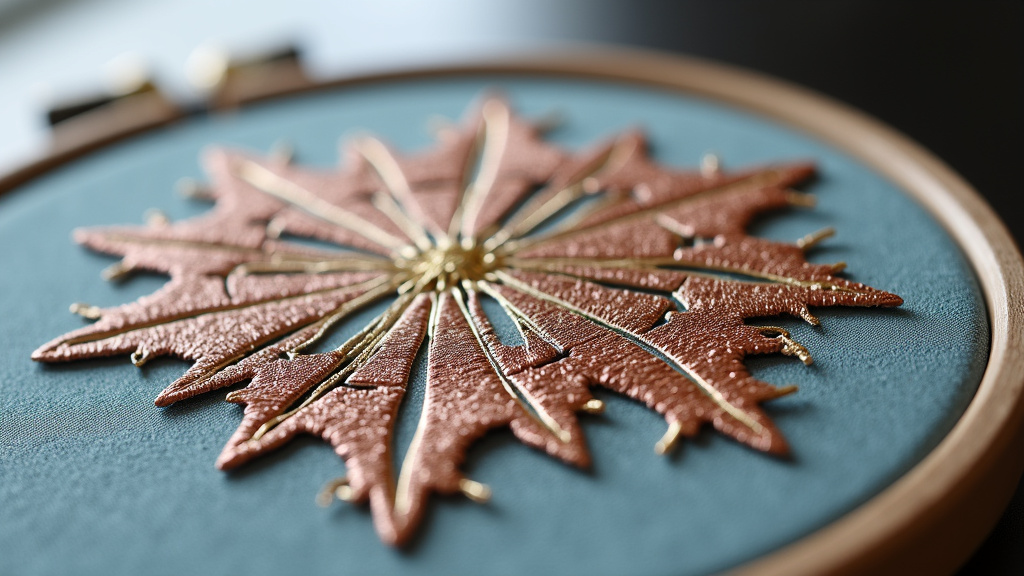
Caring for Your Metallic Thread Projects
Once you’ve finished stitching
Conclusion
Metallic embroidery thread adds a unique sparkle that standard threads can’t match. We’ve explored how its metal or coated core creates shine, the best projects for using it, and the key setup tips for success. Remember, it’s all about preparation: use a larger-eye needle, slow your machine down, and test your tension first. It’s perfect for special accents on holiday decor or gifts, but not ideal for everyday items. Ready to add some shimmer? Start with a small practice project to get comfortable with the process and see the beautiful results for yourself.
Frequently Asked Questions
Can I use metallic embroidery thread with any sewing machine?
Most home sewing machines can handle metallic thread with a few adjustments. You’ll need a needle with a larger eye, like a topstitch or metallic needle, to reduce friction. Always test your settings on scrap fabric to avoid frustration.
How do I prevent metallic thread from breaking while sewing?
Slow your machine speed down to about half its normal pace to minimize stress on the thread. Ensure the thread feeds smoothly without tangles, and consider lowering the tension slightly. A thread net or stand can also help keep it feeding evenly.
What types of fabric work best with metallic embroidery thread?
Smooth, non-stretchy fabrics like cotton, linen, or quilting fabrics are ideal. Avoid very thick or stretchy materials, as they can cause the thread to snap or fray. For most projects, a medium-weight fabric provides a stable base.
Is metallic thread safe to wash, and how should I care for it?
Hand washing in cold water and air drying is the best way to maintain the metallic shine. Machine washing and high heat can damage the coating, making it dull over time. Always follow the care instructions for both your fabric and the specific thread brand.
Where can I buy reliable metallic embroidery thread as a beginner?
Craft stores like Joann or Michaels carry starter-friendly brands. Online retailers such as Amazon offer a wide selection, with polyester-based threads often being the easiest to use. Look for well-reviewed brands like Madeira or Sulky for consistent quality.