What Is Polyester Embroidery Thread?: The Basics
Defining Polyester Embroidery Thread
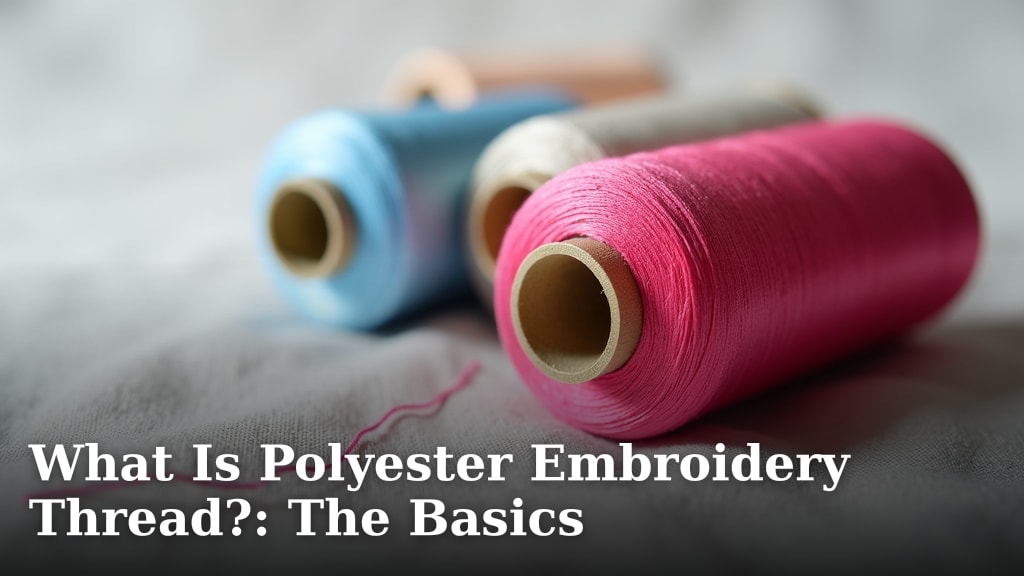
Polyester embroidery thread is a strong, synthetic thread made from polyester fibers, designed specifically for machine and hand embroidery. It’s a popular choice for most projects because it offers a good balance of durability, colorfastness, and affordability.
What Polyester Thread Is Made Of
To understand its performance, you need to know its basics. This thread is a product of chemical engineering, not natural fibers.
The Core Material
Its main ingredient is polyethylene terephthalate (PET), the same type of plastic used in water bottles. The plastic is melted and forced through tiny holes, called spinnerets, creating long, continuous filaments. These filaments are then spun together and twisted to form the thread you use.
Spinning and Finishing
The process doesn’t stop there. The thread is stretched to align the molecules, which boosts its tensile strength. It’s then treated with finishes that reduce lint and prevent breakage during high-speed stitching. This makes it very different from natural cotton.
Understanding Thread Weight and Thickness
You’ll often see numbers like 40wt or 50wt on spools. What does that mean for your project?
Thread weight measures thickness. The rule is simple: the smaller the number, the thicker the thread. A 30wt thread is chunkier than a 40wt thread. For most standard embroidery designs on medium fabrics, a 40wt thread is the industry standard and a safe starting point.
When to Choose a Different Weight
Choosing the right weight depends on your fabric and desired look.
- 30wt or 12wt: Use for bold, textured designs on denim or canvas. It stands out more.
- 50wt or 60wt: Ideal for very fine fabrics or when you want delicate, detailed stitching that doesn’t add bulk.
- 2-weight or 3-weight: These are specialty threads for puff embroidery or specific decorative effects.
Key Characteristics of Polyester Thread
Why do sewers and embroiderers reach for polyester so often? It’s all about its reliable properties.
Strength and Durability
Polyester is incredibly strong. Research shows synthetic fibers like polyester generally have higher abrasion resistance than natural fibers (Textile Research Journal). This means your stitched design can withstand frequent washing, wearing, and sunlight without fraying or breaking easily.
Colorfastness and Shine
This thread holds dye exceptionally well. Colors stay vibrant wash after wash, a key factor for items that get laundered often, like uniforms or children’s clothes. It also has a natural luster or sheen, giving embroidery a polished, professional look that mimics the shine of silk.
Heat and Chemical Resistance
Here’s a practical tip: polyester thread is more heat-resistant than nylon. You can press your embroidered project with a hot iron (on a lower setting, protected by a cloth) with less risk of the thread melting. It also resists mild acids and oxidizing agents found in some detergents.
Polyester vs. Other Thread Types
Choosing between polyester and other threads like cotton or rayon can be confusing. Let’s break it down simply.
| Thread Type | Best For | Key Drawback |
|---|---|---|
| Polyester | General purpose, activewear, outdoor items, children’s clothes. Durability is king. | Can be slightly stiffer than rayon; some prefer the ultra-soft feel of cotton. |
| Rayon | Decorative projects where a super-soft drape and brilliant shine are needed. | Less durable; can weaken when exposed to chlorine bleach or prolonged sun. |
| Cotton | Heirloom projects, quilting, items needing a soft, matte, natural look. | Less strong, more prone to shrinkage and fading, can lint more. |
When to Use Polyester Embroidery Thread
This is your go-to thread for a vast range of projects. You should choose it when durability and colorfastness are non-negotiable.
- Apparel & Uniforms: Work shirts, team jerseys, and polos that need to survive daily wear and washing.
- Activewear & Outdoor Gear: Gym bags, backpacks, and jackets exposed to sweat, sun, and rain.
- Children’s & Baby Items: Everything from onesies to stuffed toys that will see lots of love and cleaning.
- Home Decor & Linens: Kitchen towels, tablecloths, and curtains that face sunlight and frequent laundering.
- Towels and Terrycloth: Its strength helps it navigate the looped pile of terry fabric.
Pros and Cons at a Glance
Every material has trade-offs. Here’s a quick summary to help you decide.
The Good Stuff:
- Exceptionally strong and resistant to breaking.
- Excellent colorfastness—colors don’t run or fade easily.
- Good sheen for a professional, polished finish.
- Resistant to mildew and chemicals.
- Generally more affordable than specialty threads.
The Considerations:
- Can feel slightly stiffer or more plastic-y than soft cotton or rayon.
- Not fully biodegradable, a point for those prioritizing natural materials.
- May require a slightly higher tension setting on some machines compared to cotton.
Practical Tips for Using Polyester Thread
Working with polyester is straightforward. Keep these pointers in mind for the best results.
- Use a good quality needle: A new, sharp needle (like an embroidery or universal needle) prevents snagging and ensures clean stitching.
- Check your machine tension: Polyester is strong but less elastic than some threads. Start with your machine’s default setting and test on a scrap.
- Wind the bobbin correctly: Use the same thread in the bobbin as on top for the most consistent look and tension.
- Don’t pull too tight: Let the machine do the work. Pulling the fabric or thread manually can cause puckering.
Checklist for Your Next Project
Before you start stitching, run through this quick list.
- Is the project likely to be washed or exposed to sun? If yes, polyester is your best bet.
- What is your fabric weight? Match the thread weight (thickness) to your fabric for the best balance.
- Do you need a matte or shiny finish? Polyester has a sheen; choose cotton for matte.
- Is the design dense or light? For dense fills, ensure your stabilizer is sufficient to prevent puckering.
- Do you have a fresh needle? This simple step prevents most thread breakage issues.
Final Thoughts on the Workhorse Thread
In the world of embroidery, polyester thread is the reliable workhorse. It’s not always the most luxurious choice, but it’s often the smartest. For the vast majority of your projects, especially those that need to last, its combination of strength, color stability, and value makes it an excellent foundation. You can trust it to hold your stitches and your colors together through years of use.
Conclusion
Polyester embroidery thread is your reliable workhorse for most projects. You’ve learned it’s a strong, colorfast synthetic that holds up well to washing and sunlight. Its blend of durability, shine, and affordability makes it a smart pick for everyday items like uniforms, activewear, and children’s clothes. While it might feel slightly stiffer than natural fibers, its performance is hard to beat. As a next step, grab a 40wt polyester thread and test it on your next embroidery design to see its quality in action.
Frequently Asked Questions
What fabrics work best with polyester embroidery thread?
You’ll find it works well with most fabrics, especially those needing durability. It’s excellent for cotton, polyester blends, denim, and even terrycloth. For very delicate fabrics, you might choose a thinner weight like 50wt.
Is polyester thread more expensive than cotton or rayon?
Generally, polyester thread is often more affordable than specialty threads like rayon. It provides good value due to its strength and color retention, making it a cost-effective choice for many projects.
Can I iron directly on polyester embroidery thread?
Yes, but with care. Polyester thread has good heat resistance, so you can press it on a lower iron setting. Always use a pressing cloth to protect the thread and fabric from direct heat.
How should I store my polyester thread spools?
Keep your spools in a cool, dry place away from direct sunlight. This prevents fading and maintains the thread’s strength. Avoid storing them in humid areas to prevent any moisture damage.
Is polyester thread eco-friendly?
Polyester is a synthetic material and is not fully biodegradable. It’s made from plastics, so if you’re prioritizing natural materials, you might consider alternatives like cotton for certain projects.