What Is Cotton Embroidery Thread?: Here’s How
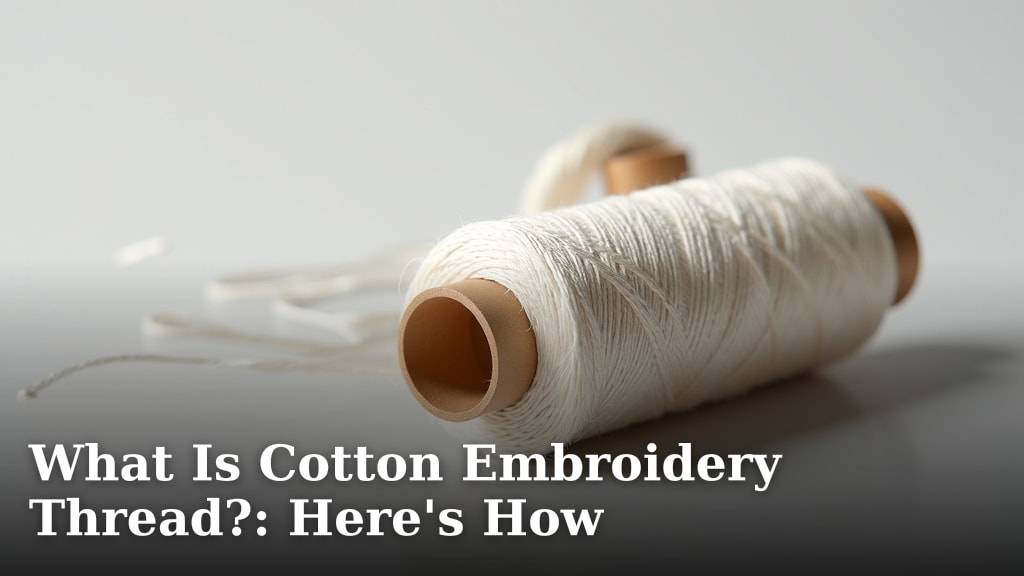
Cotton embroidery thread is a type of thread made from natural cotton fibers, designed specifically for hand or machine embroidery. It is known for its soft, smooth texture and slight sheen. You use it to create decorative stitches on fabric for projects like clothing, quilts, or home decor.
When you’re shopping, you’ll find cotton thread comes in many weights and colors. We found that its natural fiber makes it a popular choice for breathable, durable projects. Many experts say it’s ideal for beginners because it’s easy to handle and doesn’t knot as easily as some synthetic threads.
- Cotton embroidery thread is made from natural cotton fibers for stitching.
- It has a soft feel and a gentle shine, perfect for detailed work.
- You can use it with both hand and machine embroidery projects.
- It comes in many colors and thicknesses for different needs.
- This thread is great for beginners and pros for durable, beautiful results.
Below, we break down everything you need to know about cotton embroidery thread, from how it’s made to the best ways to use it in your projects.
Understanding How Cotton Embroidery Thread Is Made
The journey of your thread starts with raw cotton. Manufacturers select long-staple cotton fibers, like those from Egyptian or Pima cotton, for strength. These fibers are cleaned, carded, and combed to remove short, weak strands. You want those long fibers for a smooth finish.
Next, the cleaned fibers are spun into yarn. This yarn is then mercerized. In this process, it’s treated with sodium hydroxide under tension. We found this chemical bath swells the fibers, making them rounder and stronger. It also increases the thread’s ability to absorb dye. The result is a thread with that characteristic soft sheen you see in quality embroidery floss.
Finally, the yarn is dyed using colorfast dyes. It’s then wound onto spools or organized into skeins for you to use. The entire process is designed to create a thread that glides smoothly through fabric without snagging.
Cotton Thread vs. Polyester Thread: A Quick Comparison
One of the first choices you’ll face is cotton or polyester. They aren’t the same, and the best choice depends on your project. We broke down the key differences to help you decide.
| Feature | Cotton Embroidery Thread | Polyester Embroidery Thread |
|---|---|---|
| Material | Natural plant fiber | Synthetic plastic fiber |
| Sheen | Muted, matte, or mercerized luster | High, noticeable shine |
| Feel | Soft and natural | Smooth but can feel slick |
| Durability | Good, but can weaken with bleach | Excellent, resists chlorine bleach |
| Color Fastness | Good, but some fading possible | Excellent, resists fading |
| Best For | Heirloom quilts, natural fabrics, breathable items | Items needing frequent washing, sportswear, outdoor projects |
Many experts say cotton is the go-to for a classic look on cotton or linen fabrics. Polyester is the workhorse for items that see heavy use and frequent laundering.
Decoding Thread Weights and Sizes
Have you ever stared at numbers like “40wt” or “30/2” and felt confused? You’re not alone. Thread weight is simply a measurement of thickness. Here’s the basic rule of thumb.
The higher the weight number, the thinner the thread. A 50-weight thread is finer than a 30-weight thread. For standard embroidery, a 40-weight thread is very common. It offers a good balance between coverage and detail.
Sometimes you’ll see a number like “30/2.” The first number (30) is the weight, and the second (2) tells you how many plies (strands) are twisted together. A “40/3” thread has three plies, making it slightly thicker and stronger than a “40/2.” Most 6-strand embroidery floss you find is actually a “25/6” weight.
Choosing the Right Weight for Your Project
Matching thread weight to your fabric and design is key. Too thick a thread on delicate fabric can cause puckering.
- 50-60wt: Ideal for fine details, small lettering, and delicate fabrics like voile.
- 40wt: Your all-purpose standard for most machine and hand embroidery designs.
- 30wt: Thicker and bolder. Great for satin stitches, filling larger areas, and making your design pop.
- 12-15wt: Very thick. Used for decorative topstitching, hand quilting, or bold, statement-making embroidery.
Caring for Your Cotton Embroidery Projects
You’ve put hours into your piece. Now you want to keep it looking beautiful. Cotton embroidery thread is durable, but it has some specific care needs.
We found that washing in cold water on a gentle cycle is the safest bet. Always turn your embroidered item inside out before washing. This protects the stitches from friction. Use a mild detergent and avoid bleach, as it can weaken and discolor natural cotton fibers over time.
For drying, air-drying is best. If you use a dryer, choose a low-heat setting. High heat can cause excessive shrinkage in the fabric and thread. To remove wrinkles, iron your piece on the reverse side with a cloth barrier to protect the stitches.
5 Tips for Working with Cotton Embroidery Thread
Ready to thread your needle? Here are five practical tips we gathered from experienced stitchers.
- Start with Quality: Cheap thread often has more lint and breaks easily. A good brand will save you frustration.
- Check Your Tension: If your thread keeps breaking on the machine, your tension might be too tight.
- Use the Right Needle: A needle with a larger eye, like an embroidery or topstitch needle, helps thick cotton thread pass through smoothly.
- Pre-wash Your Fabric: Since both cotton thread and fabric can shrink, pre-washing prevents puckering after your project is finished.
- Store Properly: Keep your skeins and spools away from direct sunlight to prevent colors from fading prematurely.
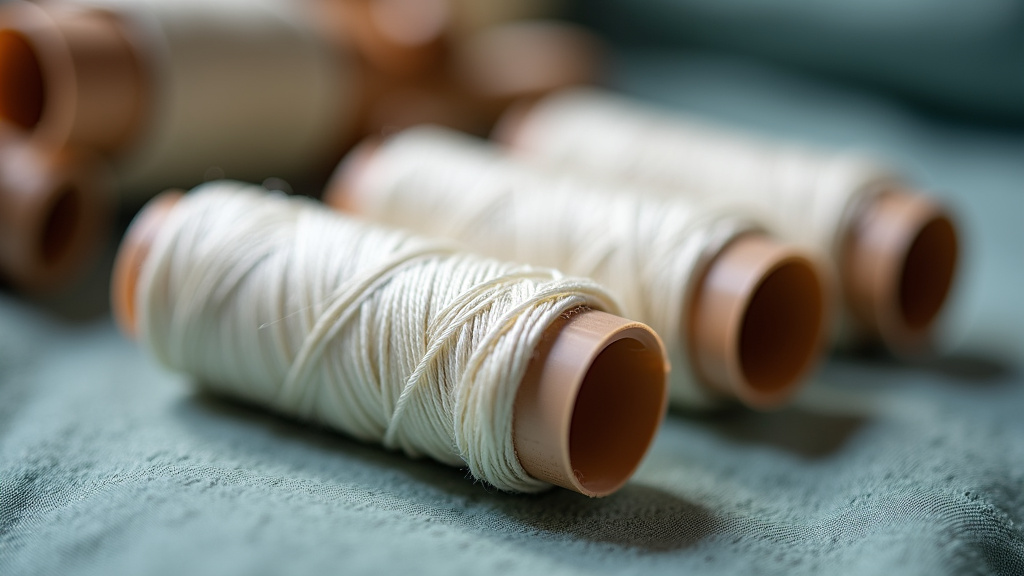
Common Mistakes to Avoid with Cotton Thread
Everyone makes mistakes when learning. Knowing the common pitfalls can help you sidestep them. One frequent error is using cotton thread in a project that will be bleached often, like some kitchen towels. The bleach will break down the fibers.
Another mistake is assuming all cotton thread is the same. There’s a big difference between cheap, linty thread and long-staple, mercerized cotton. That quality difference directly impacts how your final project looks and holds up. Also, remember that cotton thread absorbs moisture. It’s not the best choice for items that need to be completely waterproof.
Your Cotton Thread Shopping Checklist
Next time you’re at the craft store or browsing online, use this simple checklist. It will help you pick the perfect cotton thread every time.
- Check the Fiber Content: It should say “100% cotton” or clearly state it’s a cotton blend.
- Look for Mercerized Luster: This indicates a smoother, stronger, and more colorfast thread.
- Identify the Weight: Choose a weight (like 40wt) that matches your project’s needs.
- Examine the Colorfastness: Look for terms like “colorfast” or “fade-resistant” on the label.
- Feel the Smoothness: High-quality cotton thread should feel smooth and have minimal lint.
Why Cotton Thread Remains a Stitcher’s Favorite
In a world full of synthetics, cotton embroidery thread has endured for good reason. It offers a unique combination of natural beauty, a pleasant hand-feel, and reliable performance. Whether you’re mending a favorite shirt or creating a family heirloom, it delivers a classic look that many find timeless.
The key is understanding its properties—how it’s made, its strengths, and its care requirements. By choosing the right weight for your project and treating it properly, you ensure your hard work will be enjoyed for years to come. That gentle sheen and soft touch are hard to replicate with any synthetic.
Conclusion
Cotton embroidery thread offers a natural, soft feel for your stitching projects. You’ve learned how it’s made from quality fibers, its key differences from polyester, and why thread weight matters. We covered care tips, common mistakes, and how to shop smartly. A good thread can truly make your work last longer. Next time you start a project, use our shopping checklist to pick the perfect cotton thread. You’ll create beautiful, durable pieces you can enjoy for years.
Frequently Asked Questions
Is mercerized cotton thread worth the extra cost?
Yes, mercerized cotton thread is treated for added strength and a soft sheen. It absorbs dye better and is less likely to break while stitching. Many stitchers find it provides a smoother finish for detailed work.
Can I use cotton embroidery thread in a regular sewing machine?
Absolutely, cotton embroidery thread works well for both hand and machine embroidery. Use a standard 40-weight thread for most projects. Ensure your machine tension is adjusted to prevent thread breakage or looping.
How do I prevent cotton thread from tangling while hand embroidering?
Keep your thread length short, around 18 inches, to reduce knots. Applying a thread conditioner or beeswax can smooth the fibers. This helps the thread glide through fabric without twisting or fraying.
What needle should I use with cotton embroidery thread?
An embroidery or topstitch needle with a larger eye works best. This allows the thicker cotton thread to pass through smoothly. It minimizes friction and helps prevent the thread from shredding.
Does cotton embroidery thread shrink after washing?
Cotton thread and fabric can both shrink slightly. Always pre-wash your fabric before starting a project. When caring for finished items, wash in cold water and air-dry to minimize shrinkage.