What Is a Needle Threader?: The Full Guide
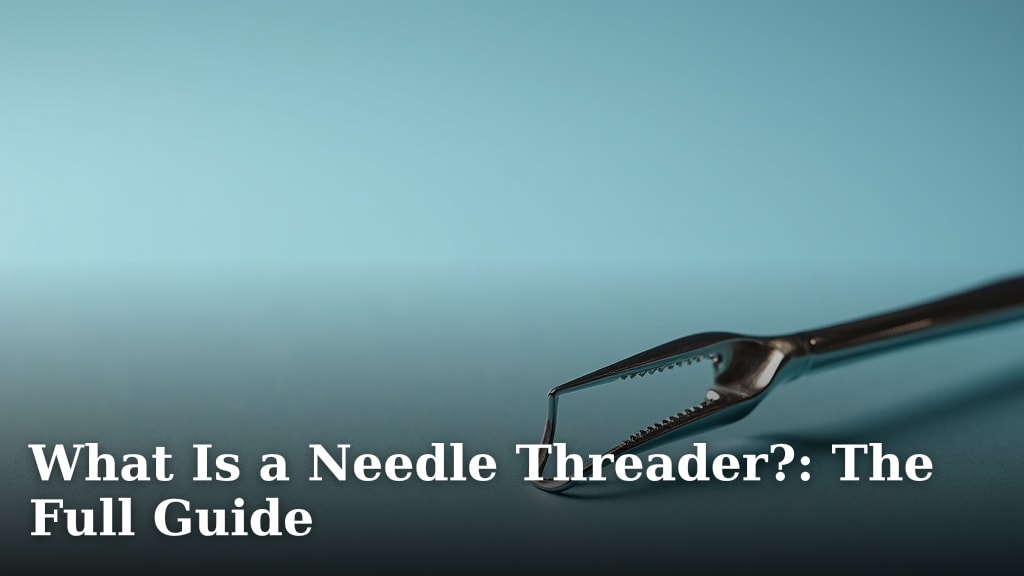
A needle threader is a small, handy tool designed to help you easily pull thread through the eye of a sewing needle. It’s especially useful for those with shaky hands or for threading needles with very small eyes. Think of it as your personal sewing assistant for a common, frustrating task. Our guide to types of embroidery thread can help you choose the right material for your project.
These simple devices come in various forms, from wire loops to more elaborate gadgets. Many sewers find them a huge time-saver, reducing the chances of eye strain and broken threads. They are an essential accessory for both beginner and experienced crafters.
- A needle threader makes threading needles much simpler.
- It’s great for small needle eyes and shaky hands.
- Several types of needle threaders exist.
- They save time and prevent frustration.
Let’s walk through what a needle threader is and how it can make your sewing projects smoother.
Understanding the Needle Threader Tool
A needle threader is a simple yet ingenious device. Its main purpose is to help you get thread through the tiny hole of a sewing needle. Many people find threading needles a challenge. This little tool makes that chore much easier. It’s like having a tiny helper for a big task.
Have you ever struggled to thread a needle? Your hands might be a little shaky, or the needle’s eye might be incredibly small. You might end up with frayed thread or even prick your finger. A needle threader is designed to prevent all that frustration. It’s a true sewing companion.
How Does a Needle Threader Work?
The basic principle behind most needle threaders is simple mechanics. They usually involve a thin wire or a small plastic piece. This piece creates a larger opening or a loop. You pass the thread through this larger opening first. Then, you use the threader to pull the thread through the needle’s eye. It’s a clever way to bypass the difficult part.
Imagine trying to push a piece of spaghetti through the eye of a sewing needle. It’s almost impossible, right? A needle threader acts like a funnel. It guides the thread where it needs to go. This method requires less precision than threading by hand. It’s a big help for anyone with visual impairments or dexterity issues.
Types of Needle Threaders Available
When you start looking, you’ll find a few different kinds of needle threaders. They all aim for the same goal. But they achieve it with slightly different designs. Knowing the options can help you pick the best one for your needs.
The Classic Wire Loop Threader
This is perhaps the most common type. It’s a small piece of metal or plastic. It has a thin wire loop at one end. The loop is designed to go through the needle’s eye. You then pass your thread through the wire loop. Finally, you pull the threader back out. The thread follows it through the needle. These are very affordable and widely available.
The Automatic Needle Threader
These are a bit more advanced. They often look like small plastic boxes or levers. You place the needle in a slot. Then, you lay the thread over another part. When you press a button or lever, a mechanism pushes the thread through the needle. They can be a bit trickier to learn. But for some, they offer the easiest threading experience.
The Bead Threader
While not strictly for sewing needles, bead threaders work on a similar principle. They are often very long and flexible wires. They can bend easily. This allows you to guide them through very small beads. Some people use these for fine threads and needles too. They are excellent for projects requiring tiny, precise work.
Integrated Needle Threaders on Sewing Machines
Many modern sewing machines come with a built-in needle threader. These are usually levers or arms attached to the machine. You bring the thread to the designated spot on the machine. Then, you engage the threader. It quickly pushes the thread through the needle. This is incredibly convenient if you use a sewing machine often. It saves you from having to get out a separate tool.
| Type | Pros | Cons | Best For |
|---|---|---|---|
| Wire Loop | Simple, cheap, portable | Can be fiddly, loop can bend | General sewing, beginners |
| Automatic | Easy once mastered, consistent | More expensive, mechanism can break | Frequent sewers, those with dexterity issues |
| Bead Threader | Flexible, good for tiny spaces | Not always ideal for thick thread | Fine work, crafting |
| Machine Integrated | Super fast, always there | Only works with the machine | Sewing machine users |
Why Use a Needle Threader? The Benefits You Get
You might be thinking, “Can’t I just thread it myself?” Of course, you can. But using a needle threader offers several advantages. They really can make your sewing life smoother. Let’s look at why people love them.
Saves Time and Reduces Frustration
How much time have you spent squinting at a needle? Trying to get that thread just right can take ages. A threader cuts down this time dramatically. You can thread a needle in seconds. This means you can start sewing sooner. Less time fiddling means more time creating. It’s a huge relief for many crafters.
Great for Those with Vision Issues
As we age, our eyesight can change. Small things become harder to see. The tiny eye of a needle is a prime example. Needle threaders make it possible for people with mild to moderate vision loss to continue sewing. They remove the need for extreme close-up focus. This is a major accessibility feature.
Helpful for Hand Tremors or Dexterity Problems
Conditions like arthritis or essential tremor can make fine motor tasks difficult. Holding a needle steady can be a struggle. Trying to guide a thin thread into a small hole becomes nearly impossible. A needle threader provides a stable way to thread. It compensates for unsteady hands. This allows more people to enjoy hobbies like sewing.
Prevents Thread Fraying and Needle Damage
When you try to force thread through a needle, the end can fray. This makes it even harder to thread. Sometimes, you might even damage the needle’s eye. Threaders guide the thread smoothly. This helps keep the thread end intact. It also protects your needles from wear and tear. You’ll find your sewing supplies last longer.
Tips for Using Your Needle Threader Effectively
Even with a helper tool, there are ways to get the best results. Using your needle threader correctly ensures it works every time. Here are a few tips we’ve found helpful.
- Make sure your thread end is clean and not frayed. A little bit of wax or a special thread conditioner can help.
- When using a wire loop threader, ensure the loop is straight. If it’s bent, gently try to straighten it.
- Position the threader correctly in the needle’s eye. The loop should align with the needle’s hole.
- Don’t yank the thread. Pull gently and steadily.
- Practice! The more you use it, the faster and easier it becomes.
Here’s a quick checklist to remember the key points when using your threader:
- Check your thread end.
- Ensure the threader loop is straight.
- Align the threader with the needle eye.
- Pass the thread through the loop.
- Gently pull the threader with the thread.
- Celebrate your successfully threaded needle!
Conclusion
You’ve learned that a needle threader is a simple, effective tool. It takes the frustration out of threading needles. Whether you struggle with vision, hand steadiness, or just hate fiddling, a threader can help. We found that various types exist, from basic wire loops to machine-integrated options. Each offers a way to save time and prevent eye strain or thread fraying. Don’t let threading needles slow down your creative projects any longer. Consider picking up a needle threader today and make your sewing easier.
Frequently Asked Questions
Are needle threaders really necessary?
Needle threaders aren’t strictly necessary if you can easily thread a needle yourself. However, they become incredibly helpful if you experience shaky hands, vision difficulties, or simply want to speed up your sewing preparation. They remove a common point of frustration for many crafters.
Can anyone use an automatic needle threader?
Yes, automatic needle threaders are designed for ease of use, though they might take a little practice to master. They can be especially beneficial for individuals who find manual dexterity challenging. Once you get the hang of the mechanism, they offer a very consistent threading experience.
How do I prevent my thread from fraying when using a threader?
To prevent fraying, ensure the end of your thread is clean and not already split. You can try twisting the thread end slightly or using a tiny bit of beeswax or thread conditioner. A gentle, steady pull on the threader, rather than a quick yank, also helps.
Will a bead threader work for regular sewing needles?
A bead threader’s flexibility can make it useful for very fine sewing needles and threads, especially in crafting. However, they might not be as sturdy for thicker threads or standard sewing needles as a dedicated wire loop threader. It’s worth trying if you have one on hand for delicate work.
Where can I buy a needle threader?
You can find needle threaders at most fabric and craft stores, either in the sewing notions aisle or near the sewing machine accessories. They are also widely available online through major retailers and specialty sewing supply websites. They are typically quite affordable.