Why Does Thread Shred at the Needle?: The Full Guide
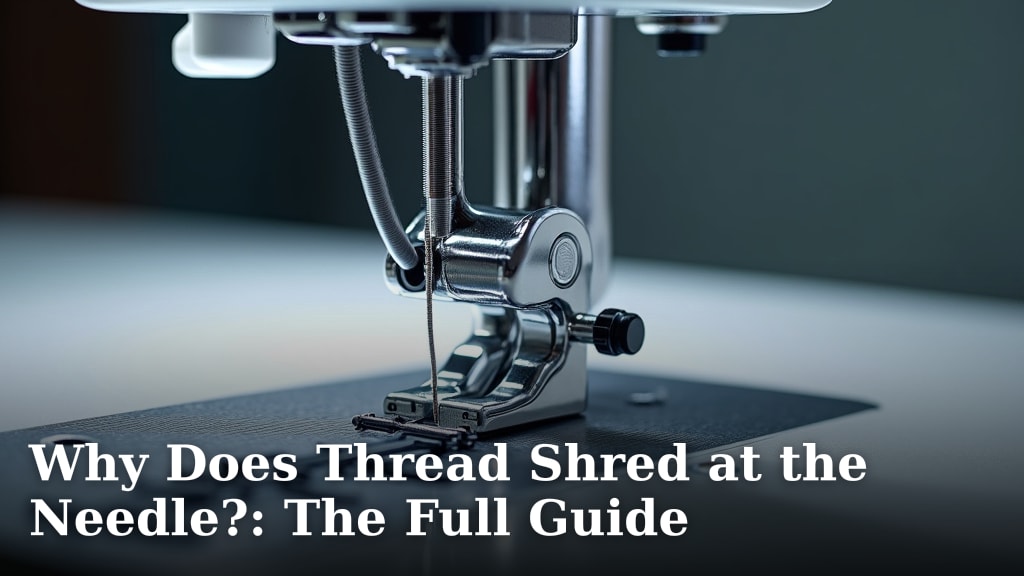
Thread shredding at the needle is usually a sign of the wrong needle, the wrong thread, or improper machine tension. These common issues can cause your sewing machine to fight against the thread, leading to frustrating shredding and skipped stitches.
When thread snags and tears, it’s more than just an annoyance; it can interrupt your creative flow and damage your fabric. Understanding the root causes helps you fix it quickly. We’ve found that addressing these three main culprits often resolves the problem for good.
- The needle might be dull, bent, or the wrong type for your fabric.
- Your thread could be too thick, too fine, or of poor quality.
- Machine tension settings might be out of balance.
- Using the wrong needle size for the thread is a frequent offender.
Let’s break down why your thread might be shredding and how you can get back to smooth sewing.
Troubleshooting Thread Shredding at Your Needle
It’s super frustrating when your thread turns into a feathery mess at the needle. You’re mid-project, and suddenly, your sewing machine acts like it’s fighting the thread. We’ve all been there! This common problem usually boils down to a few key culprits. Getting these right will get you back to sewing smoothly in no time.
The Needle: Your Thread’s First Point of Contact
Think of the needle as the gateway for your thread. If it’s not in perfect condition, things can go wrong quickly. Even a tiny burr can snag your thread and cause it to shred. It’s often the simplest fix!
Is Your Needle Dull or Bent?
Sewing needles aren’t meant to last forever. Over time, they get dull. A dull needle won’t pierce the fabric cleanly. It will push and tear instead. This rough entry can fray your thread. Similarly, a bent needle can hit the needle plate or bobbin case incorrectly. This can damage the thread as it passes through.
Many sewing instructors suggest changing your needle every project or at least every 8-10 hours of sewing time. It’s a small change that makes a big difference. If you’ve dropped your machine or hit a pin, check your needle immediately. A visual inspection is good, but sometimes the damage isn’t obvious.
Are You Using the Right Needle Type?
Needles come in many varieties. Using the wrong one is a common cause of thread shredding. For example, a universal needle might work for many fabrics, but it’s not always ideal. Specialty needles are designed for specific tasks and materials.
We found that using a ballpoint needle on knit fabrics is essential. These needles have a rounded tip that slides between fabric fibers. This prevents snagging and running. A sharp or microtex needle is better for wovens and precise piecing. These have a finer point to penetrate tightly woven materials cleanly. If you’re working with denim, you’ll need a denim or jeans needle. These are stronger and sharper to get through thick layers.
The Importance of Needle Size
Needle size also matters a lot. Needles are sized from 60 (very fine) to 120 (very thick). The general rule is to match the needle size to your thread and fabric weight. A needle that’s too small for your thread will constrict it. This causes friction and shredding. A needle that’s too large can create an unnecessarily big hole. This can weaken the fabric and potentially snag the thread on the edges.
For example, trying to use a fine silk thread with a thick denim needle just won’t work. The thread will swim around in the needle’s eye. It’s more likely to get caught. Conversely, a heavy buttonhole thread in a tiny needle eye will get squeezed. We found that a good starting point is to match a standard all-purpose thread with an 80/12 or 90/14 universal needle for most medium-weight fabrics.
The Thread: More Than Just Color
Thread is the backbone of your stitches. Its quality, type, and weight play a huge role in how it behaves in your machine. Cheap or old thread can be brittle. This makes it prone to breaking and shredding.
Quality Matters: Cheap vs. Good Thread
We all love a good deal, but when it comes to thread, quality often wins. Inexpensive threads can have inconsistencies. They might have knots, slubs, or a fuzzy surface. These imperfections catch on the needle and the machine’s internal parts. This leads to shredding. They also might be weaker and break more easily.
Many sources suggest investing in good quality thread from reputable brands. These threads are typically smoother and stronger. They are processed to have fewer imperfections. This allows them to glide through the machine much better. Your machine will thank you for it!
Thread Type and Fabric Pairing
Different fabrics require different types of thread. Using the wrong type can cause issues. For instance, cotton thread can shrink when washed. This can pull your stitches unevenly, stressing the thread. Polyester thread is a good all-rounder. It’s strong and doesn’t shrink much.
For stretchy knits, a polyester thread or a specific stretch thread is best. These have a bit of give. For heavy-duty projects like upholstery or denim, you’ll want a stronger thread, often a polyester or nylon. Using a delicate silk thread on a rugged canvas will likely result in shredding because the thread isn’t strong enough for the task.
Thread Weight: Not Too Thick, Not Too Thin
Thread weight refers to its thickness. This is often indicated by a number (e.g., 40, 50, 60). A lower number means a thicker thread. A higher number means a finer thread. The weight needs to be appropriate for your needle size and fabric.
Trying to force a thick thread through a small needle eye is like trying to fit a garden hose through a drinking straw. It’s going to get jammed and shredded. Likewise, a very fine thread might be too delicate for a heavy fabric. It could break under tension or shred if the needle eye is too large and rough.
Machine Tension: The Delicate Balance
Your sewing machine has a tension system. This system controls how tight or loose your stitches are. Both the upper thread tension and the bobbin tension need to be balanced. When they’re off, it can cause various stitch problems, including thread shredding.
Upper Thread Tension Dial
The upper thread tension is usually controlled by a dial on your machine. It typically ranges from 0 to 9. A lower number means looser tension. A higher number means tighter tension. If your upper tension is too tight, it can pull the thread too hard. This can cause it to fray as it passes through the fabric and the machine’s mechanics.
We found that a common mistake is setting the upper tension too high. This often happens when trying to fix a stitch that looks too loopy on the underside. However, cranking it up too high often causes more problems, like shredding. Always try adjusting it in small increments.
Bobbin Tension Adjustment
The bobbin tension is usually less accessible. It’s controlled by a small screw on the bobbin case or bobbin housing. If your bobbin tension is too tight, it can pull the upper thread down too forcefully. This creates excessive friction. This friction can lead to the upper thread shredding.
Adjusting bobbin tension is delicate work. It’s often recommended to leave it alone unless you’re sure it’s the problem. If you do need to adjust it, do so in very small turns. Many modern machines have well-balanced bobbin tension from the factory. Issues here are less common than upper tension problems (Cleveland Clinic).
How Tension Affects Thread Shredding
When your machine’s tension is out of whack, the thread is under stress. Imagine pulling a rubber band too hard; it might snap or fray. Thread behaves similarly. If the upper tension is too tight, the thread is pulled excessively through the needle eye and fabric layers. This causes abrasion and shredding.
If the bobbin tension is too tight, it resists the upper thread’s pull. This creates a knotting effect. The upper thread tries to force its way through the bobbin area. This snagging and pulling can easily lead to shredding. A balanced tension system ensures the thread passes through smoothly, creating strong, even stitches without undue stress.
Putting It All Together: Your Sewing Machine Checklist
When you encounter thread shredding, go through these steps methodically. Addressing these points systematically will help you pinpoint the issue and fix it.
- Check your needle: Is it sharp, straight, and the correct type/size for your fabric and thread?
- Inspect your thread: Is it good quality, appropriate for your project, and not too old or tangled?
- Re-thread your machine: Sometimes, thread just gets seated incorrectly.
- Test your tension: Ensure both upper and bobbin tensions are balanced.
- Clean your machine: Lint buildup can interfere with thread path.
- Review your manual: Refer to your machine’s specific instructions for needle and thread recommendations.
By systematically checking these elements, you can overcome most thread-shredding issues. A happy sewing machine means a happier you and a better-finished project!
Conclusion
Thread shredding at your needle is a common sewing roadblock, but it’s usually fixable. We’ve seen that the most frequent culprits are a worn or incorrect needle, poor quality or unsuitable thread, and imbalanced machine tension. By systematically checking these three areas, you can often resolve the issue quickly. Don’t let shredding derail your projects. Your next step is to grab your sewing machine manual and go through our checklist, ensuring each component is in top shape for smoother sewing.
Frequently Asked Questions
What’s the most common reason my thread keeps shredding?
The most frequent reasons your thread shreds are using a dull or bent needle, or having the wrong needle type or size for your fabric and thread. Also, check your thread quality; inexpensive or old thread can be brittle and prone to shredding.
How often should I change my sewing machine needle?
Many sewing professionals recommend changing your needle for every new project, or roughly every 8-10 hours of sewing time. If you hit a pin or a thick seam, change it immediately, even if it looks fine.
Can thread quality really cause shredding?
Yes, absolutely. Cheap or poor-quality threads often have inconsistencies, fuzz, or knots. These imperfections catch on the needle and within the machine’s mechanics, causing the thread to snag and shred easily.
My thread looks okay, but it’s still shredding. Could it be tension?
It’s very possible. If your upper thread tension is too tight, it pulls the thread forcefully, causing friction and shredding. Similarly, if your bobbin tension is too tight, it can snag the upper thread as it passes through the bobbin area, leading to shredding.
What’s the best needle to use for stretchy knit fabrics?
For knit fabrics, you should use a ballpoint needle. These needles have a rounded tip that glides between the fabric fibers rather than piercing them. This prevents snagging, running, and helps your thread pass through smoothly.