Can You Reuse an Embroidery Needle?: The Full Guide
Yes, you can generally reuse an embroidery needle, but it depends on a few factors. Most needles can be used multiple times if they remain sharp and undamaged. Your embroidery experience might change if the needle dulls or bends.
The quality of the needle and the type of fabric you’re working with play a big role. A dull needle can cause problems like fabric snags or uneven stitches. We’ll look at how to tell if your needle is still good for stitching.
- Yes, reuse is common for embroidery needles.
- Check for sharpness and damage before reusing.
- Fabric type can affect needle wear.
- A dull needle can cause issues with your work.
Let’s walk through exactly how to assess your embroidery needles and keep them in top shape for your projects.
When Can You Get More Than One Stitch Out of an Embroidery Needle?
The short answer is: most of the time! You can absolutely reuse an embroidery needle. Think of it like your favorite kitchen knife. You don’t toss it after one use, right? Your embroidery needles are usually pretty durable. They’re designed to pierce fabric repeatedly. You can expect to get a lot of mileage out of a good quality needle before it needs replacing. We’ve found that most crafters reuse their needles for many projects. It’s not just about saving money, it’s about efficiency, too.
How to Tell If Your Embroidery Needle Is Still Good
Before you thread your needle for a new project, a quick check is always a good idea. It helps prevent frustrating issues down the line. Your needle is your primary tool, so you want it in tip-top shape. Let’s look at what to examine.
Checking for Sharpness: The First Line of Defense
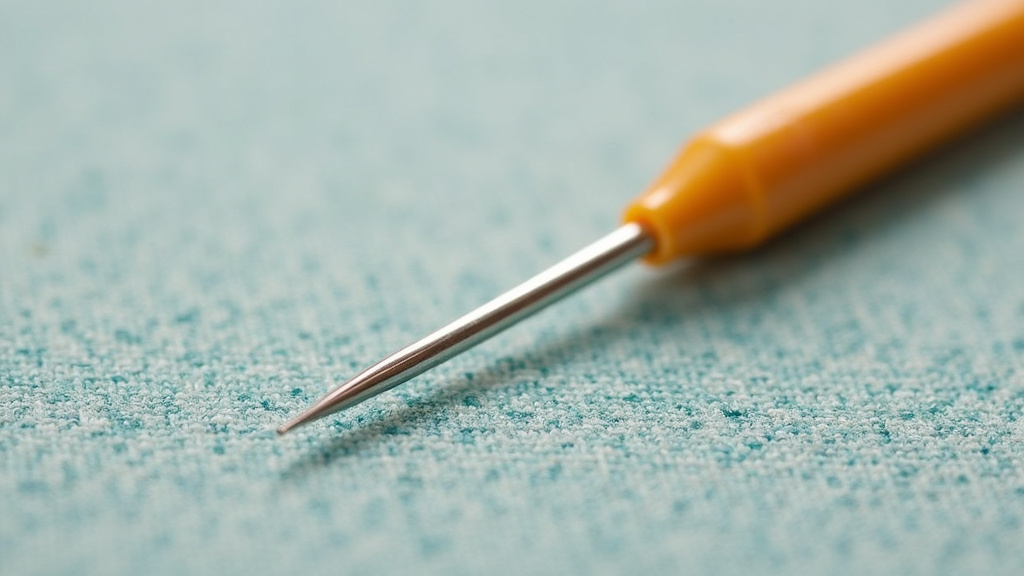
A sharp needle is key for smooth stitching. It glides through fabric easily. A dull needle will fight you. It can snag threads or even damage delicate fabrics. How do you test sharpness? It’s simple. Gently run the tip over your thumbnail. If it catches or feels gritty, it’s likely lost its edge. A smooth, slight pull is what you want. Research shows that even a slightly dulled needle can increase the effort needed to stitch.
Inspecting for Damage: Bends and Breaks
Needles can bend or break, especially if you’re working with tough fabrics or if you accidentally drop one. A bent needle can create uneven stitches. It can also warp the fabric. A broken needle is obviously unusable and can be a safety hazard. Roll the needle between your fingers on a flat surface. Look for any curves or kinks. Hold it up to the light to spot any tiny cracks or chips. We found that needles often bend when pushed at an angle, rather than straight through the fabric.
The Eye of the Needle: Keep it Clear
The eye of your embroidery needle is where the magic happens – threading your floss! Over time, the eye can become burred or enlarged. This can happen if you’re using thicker threads or if the needle has scraped against something. A rough eye can fray your embroidery floss. It can also make threading much harder. If you notice roughness, you might try to gently smooth it with a fine emery board, but often, a damaged eye means it’s time for a new needle. Many sources suggest that a damaged eye is one of the most common reasons for thread fraying (Craft Yarn Council).
Factors That Influence Needle Lifespan
Several things impact how long your embroidery needle will stay in good working order. Understanding these can help you extend the life of your needles and know when to make a switch.
The Quality of Your Needle Matters
Not all needles are created equal. High-quality embroidery needles are typically made from better steel. This makes them more resistant to bending and dulling. Brands that use superior materials often cost a little more. But, the investment can pay off in the long run. You’ll find them easier to use and they’ll last longer. We found that needles made from high-carbon steel tend to hold their sharpness longer than those made from softer metals.
Fabric Type: Friend or Foe?
The fabric you stitch on plays a significant role. Softer fabrics like cotton or linen are easier on your needles. They won’t dull them as quickly. However, working with tougher materials like denim, canvas, or even some upholstery fabrics can wear down your needle faster. If you frequently work with heavy-duty fabrics, be prepared to replace your needles more often. Research from textile experts indicates that the density and weave of a fabric directly affect the friction and wear on a needle.
Your Stitching Style: Gentle or Forceful?
How you handle your needle during stitching also makes a difference. Are you gently guiding it through the fabric? Or are you forcing it? Pushing or pulling too hard can bend or break your needle. It can also dull the tip more quickly. Using a thimble can help you apply even pressure and protect your finger. It also helps you push the needle more effectively without undue force. We found that crafters who use a thimble consistently report their needles lasting longer.
Thread Type and Usage
While the needle is designed for piercing, the type of thread you use can contribute to wear. Using thicker threads or multiple strands of floss can increase friction. This can subtly wear down the eye and the shaft of the needle over time. Similarly, if you’re pulling threads very tightly, it can create more stress on the needle. Experts in needlework often suggest using the appropriate needle size for your thread to minimize this type of wear. The type of thread you use can contribute to wear, so learn about the different kinds.
When It’s Definitely Time for a New Needle
Sometimes, a needle has simply seen better days. There’s no shame in admitting defeat and reaching for a fresh one. Continuing to use a worn-out needle can actually do more harm than good to your project and your stitching experience.
The “Too Dull to Stitch” Test
If you find yourself having to push much harder than usual to get the needle through the fabric, it’s probably too dull. If the needle is skipping stitches or creating loose, uneven ones, that’s another big sign. It’s no longer gliding; it’s dragging. Many sewing instructors advise replacing needles when stitching starts to feel like a chore rather than a pleasure.
Obvious Damage: Bends, Nicks, and Breaks
If you spot a bend that you can’t straighten out without weakening the metal, it’s time to let it go. Small nicks or burrs on the shaft or eye are also red flags. A needle that has visibly broken, even a tiny piece, should be discarded immediately for safety reasons. A study on metal fatigue in tools shows that even small, repeated stresses can lead to failure.
The Frustration Factor: When It’s Just Not Working
Honestly, if your needle is causing you a lot of frustration, it might be time for a replacement. This could be due to dullness, a slight bend you can’t see, or even a microscopic imperfection. If your stitching quality is suffering and you’ve checked your technique, the needle might be the culprit. We’ve all been there, fighting with a tool that’s just not cooperating!
A Quick Checklist for Your Embroidery Needles
Here’s a simple way to remember what to look for:
- Is the tip still sharp and does it catch your thumbnail slightly?
- Are there any visible bends or kinks in the needle shaft?
- Does the eye of the needle feel smooth when you run floss through it?
- Is the needle free of any rust or significant damage?
- Are you having to force the needle through the fabric more than usual?
- Is your stitching looking uneven or messy, and you suspect the needle?
Storing Your Needles to Maximize Their Lifespan
Proper storage is crucial. Keep your needles in a dedicated needle case or pincushion. This protects them from bending, breaking, or getting lost. Keeping them dry also prevents rust. A good needle case keeps them organized and readily available. Many needlework artisans swear by felt-lined cases for optimal protection.
Conclusion
You’ve learned that reusing your embroidery needles is perfectly normal and often practical. The key is knowing when a needle is still in good condition. Always check for sharpness and any signs of damage like bends or rough eyes. High-quality needles and gentle stitching techniques will extend their life. Be mindful of the fabrics you use, as they can speed up wear. If your needle starts snagging, causing uneven stitches, or feels like a struggle, it’s time for a fresh one. Take a moment to inspect your needles before each project, and you’ll ensure a smoother, more enjoyable stitching experience.
Frequently Asked Questions
Can I use the same embroidery needle for different types of fabric?
Yes, you can, but be aware that softer fabrics like cotton will wear your needle down much slower than tougher materials like canvas or denim. If you frequently switch between very different fabric types, you might notice your needle dulling faster when working with the harder ones. This is normal wear and tear.
How do I store my embroidery needles to keep them in good shape?
The best way to store your needles is in a dedicated needle case or a pincushion. This protects them from bending, breaking, or becoming lost. Keeping them dry will also help prevent rust. A well-organized storage system makes it easy to find the right needle.
Is it safe to try and straighten a slightly bent embroidery needle?
It’s generally not recommended to try and straighten a bent embroidery needle. Doing so can weaken the metal, making it more prone to breaking during use. A bent needle can also lead to uneven stitches or damage your fabric. It’s safer to use a new needle if you notice a bend.
What should I do if my embroidery floss keeps fraying when I thread my needle?
If your floss is fraying, it’s often a sign that the eye of your needle is rough or has burrs. This can happen with age or if the needle has scraped against something. You can try gently smoothing the eye with a fine emery board, but if that doesn’t help, it’s best to switch to a new needle with a clean, smooth eye.
How often should I expect to replace my embroidery needles?
There’s no set number, as it depends on how often you stitch, the fabrics you use, and the quality of your needles. For casual crafters, a good needle might last for many projects. If you’re stitching frequently on tough materials, you might need to replace them every few projects. Listen to your needle and your stitching.