What Needle for Embroidering on Denim?: A Complete Guide
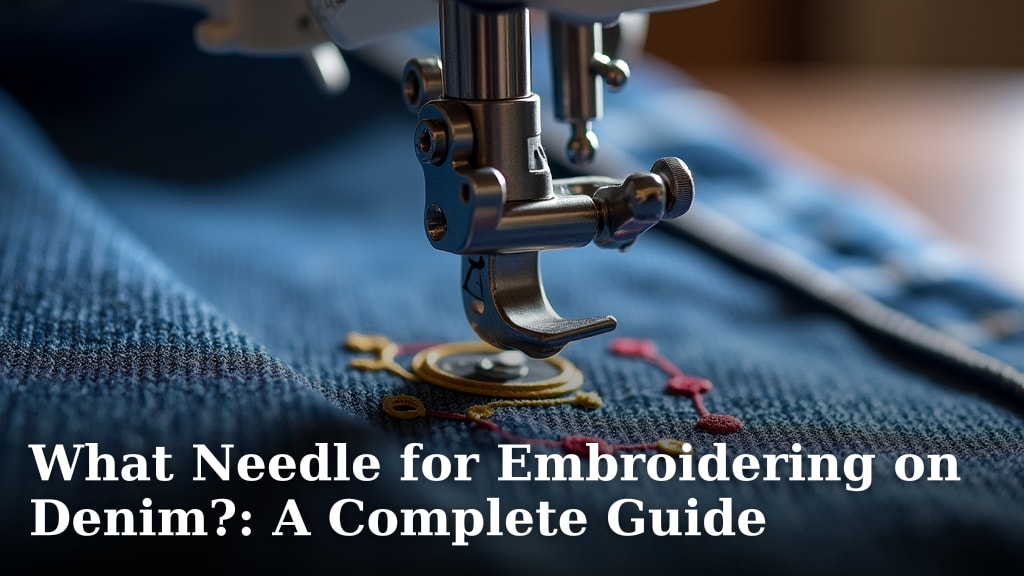
When embroidering on denim, you’ll want to use a universal needle or a denim-specific needle. These needles are designed to be sharp and strong enough to pierce the tough fabric without snagging or breaking. Choosing the right needle makes a big difference in your project.
Denim can be a bit tricky for embroidery machines. Its dense weave requires a needle that can handle the pressure. Using the wrong needle can lead to skipped stitches, thread breakage, or even damage to your machine. So, picking the correct needle type is key for smooth stitching.
- Use a universal or denim needle.
- Sharpness and strength are important.
- Avoid needles not designed for tough fabrics.
- Proper needles prevent skipped stitches and breakage.
- They protect your embroidery machine.
Let’s walk through exactly which needles work best for your denim embroidery projects and why.
You’ve got your denim project all ready to go, and you’re excited to add some awesome embroidery. But wait, what needle should you grab? It’s like picking the right tool for a special job. Using the wrong one can lead to frustrating messes, and nobody wants that when you’re trying to create something cool.
Choosing the Right Needle for Denim Embroidery
When you’re thinking about stitching on denim, you need a needle that’s up for the challenge. Denim is a thick, sturdy fabric. It can be tough on your sewing machine and your threads. Picking the best needle is your first big step to success.
Understanding Denim’s Fabric Properties
Denim is made from a strong cotton twill weave. This makes it durable for jeans and jackets. However, this density can cause problems for embroidery needles. The threads are tightly packed. This means a standard needle might struggle to get through smoothly. You might notice skipped stitches or thread breakage.
Why Needle Choice Matters So Much
Think of your needle as the tip of a pencil. If the point is dull or broken, your writing will be messy. The same applies to embroidery. A sharp and strong needle pierces the fabric cleanly. This prevents snags and pulls. It allows your machine to create beautiful, even stitches every time. A good needle protects your machine’s mechanics too.
Recommended Needle Types for Denim
When you head to the store or shop online, you’ll see a few options. Not all needles are created equal, especially when dealing with denim. We’ve found that sticking to certain types will save you a lot of headaches.
The Versatile Universal Needle
A universal needle is a good starting point for many fabrics. It has a slightly rounded point and a strong shaft. It’s designed to handle a range of materials. For lighter-weight denims or projects with less dense stitching, a universal needle can work well. You’ll want to make sure it’s a good quality one, though. Research suggests higher-quality universal needles offer better performance (Schmetz).
- Good for various fabric types.
- Has a slightly rounded point.
- Can work for lighter denims.
- Ensure it’s a reputable brand.
The Denim-Specific Needle
For most denim embroidery projects, a denim-specific needle is your best bet. These are often called “jeans needles.” They are specially made to pierce through thick, dense fabrics like denim. They have a stronger shaft to prevent bending or breaking. The point is also sharper than a universal needle. This helps it cut through the denim fibers cleanly. Many embroiderers swear by these for consistent results.
Key Features of Denim Needles
What makes a denim needle so special? First, its strength. The shaft is reinforced to withstand the pressure of stitching through multiple layers of denim. Second, its sharpness. A very sharp point glides through the fabric. It minimizes friction and the chance of snagging. Some denim needles even have a special coating. This can reduce heat build-up during fast sewing.
Needles to Avoid on Denim
You should steer clear of certain needles when working with denim. All-purpose needles or sharp needles not designed for heavy fabrics can be problematic. If a needle isn’t strong enough, it can bend or break. This can damage your machine. It can also cause fabric tears. Needles for very delicate fabrics are definitely out. They simply won’t hold up.
Understanding Needle Sizing and Numbers
Needles come in different sizes, indicated by numbers. For denim embroidery, you’ll typically want a size that balances penetration and thread size. Too small a needle for thick denim might struggle. Too large a needle can create excessively big holes.
The Importance of Needle Size
Generally, larger numbers mean thicker needles. For denim, sizes like 90/14 or 100/16 are common. The first number is the European sizing, and the second is the American sizing. A 90/14 needle is a good all-around choice for many denim projects. If you’re working with very thick denim or using thicker embroidery thread, a 100/16 might be better. We found that needle size is directly related to stitch quality on dense fabrics.
Matching Needle Size to Thread and Denim Weight
Consider the weight of your denim. Is it a light wash or a heavy-duty pair of jeans? Lighter denims might be fine with a 90/14. Heavy-duty materials may benefit from a 100/16. Also, think about your embroidery thread. If you’re using a thicker, 30-weight thread, a slightly larger needle size can help guide it smoothly. If you’re using standard 40-weight polyester or rayon thread, a 90/14 is often ideal.
| Denim Weight | Recommended Needle Size | Embroidery Thread Weight (Typical) |
|---|---|---|
| Lightweight Denim | 80/12 or 90/14 | 40wt |
| Medium Weight Denim | 90/14 | 40wt |
| Heavyweight Denim | 90/14 or 100/16 | 40wt or 30wt |
When to Change Your Embroidery Needle
Needles aren’t meant to last forever. Even the best ones wear down. Regularly changing your needle is a simple but vital step in preventing embroidery problems.
Signs Your Needle Needs Replacing
How do you know it’s time for a fresh needle? Look for signs like skipped stitches, especially at the beginning or end of your design. You might also notice thread breakage more often than usual. If your machine starts making a new, unusual noise, it could be the needle struggling. A dull needle can also lead to fabric distortion or pulls.
The “Needle Lifespan” Rule of Thumb
Many sewing and embroidery experts suggest changing your needle after every 6 to 8 hours of sewing. This might seem frequent. However, it ensures you’re always working with a sharp, effective point. For denim, which is tougher, you might even consider changing it a bit sooner. Keeping a small log of your sewing time can help you track this.
Preventing Damage with Fresh Needles
A worn-out needle doesn’t just cause messy stitches. It can actually damage your fabric. It might snag and pull threads, creating visible flaws. In more serious cases, a bent or broken needle can cause damage to your embroidery machine’s hook or needle plate. Replacing your needle regularly is a small investment. It protects both your project and your equipment.
Putting It All Together: Your Denim Embroidery Checklist
Ready to get stitching? Here’s a quick rundown to make sure you have the right needle in your machine.
- Choose a denim-specific needle or a high-quality universal needle.
- Select the correct size, typically 90/14 or 100/16 for most denim.
- Ensure the needle is sharp and free from any bends or damage.
- Consider the weight of your denim and adjust needle size if needed.
- Replace your needle after approximately 6-8 hours of embroidery time.
- Always use the correct needle for your machine type (embroidery, not sewing if applicable).
Conclusion
You’ve learned that choosing the right needle is essential for successful denim embroidery. A denim-specific needle or a quality universal needle, properly sized (like 90/14 or 100/16), will help you avoid frustrating issues like skipped stitches and thread breakage. Remember to change your needle regularly, aiming for every 6-8 hours of use, to protect both your fabric and your machine. With the correct needle in place, you’re ready to tackle your next denim project with confidence and create beautiful embroidered designs. Learn about the best thread for machine embroidery to complement your needle choice.
Frequently Asked Questions
What’s the main difference between a universal needle and a denim needle?
A universal needle is designed for a variety of fabrics and has a slightly rounded point. A denim needle, on the other hand, is built specifically for tough materials. It features a stronger shaft and a sharper point to effortlessly pierce dense fabrics like denim without snagging or bending.
Can I use a sewing machine needle for embroidery on denim?
Yes, you can, but you need to ensure it’s the correct type and size for denim. Embroidery machines often run faster and use different needle systems than standard sewing machines. Always check your embroidery machine’s manual and choose a needle specifically recommended for denim embroidery, like a denim or sharp universal needle.
How do I know if my needle is too dull for denim?
You’ll notice several signs if your needle is dull. These include skipped stitches, thread breaking frequently, or your machine making unusual noises. You might also see visible damage to the denim, like pulled threads or small tears where the needle is trying to force its way through.
Does the thread weight affect the needle choice for denim?
Yes, it does. While a 90/14 needle often works well for standard 40-weight embroidery thread on medium denim, you might need a slightly larger needle, like a 100/16, if you’re using a thicker 30-weight thread or working with very heavy denim to ensure smooth thread delivery.
How often should I really change my needle when embroidering on denim?
While 6-8 hours of sewing is a general guideline, denim is a tough fabric. For denim embroidery, it’s often best to err on the side of caution. Consider changing your needle even more frequently if you notice any signs of wear, or after completing a particularly large or dense design to maintain optimal stitch quality and machine health.