What Is a Thread Color Chart?: A Complete Guide
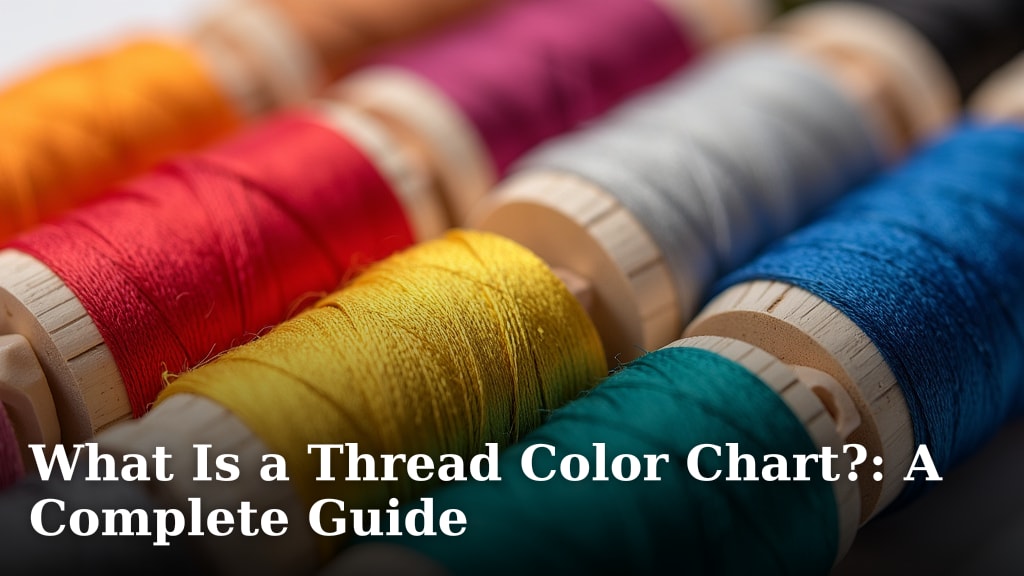
A thread color chart is your visual guide to finding the perfect thread shade. It shows all available colors for a specific type of thread. Think of it as a painter’s palette, but for sewing. This chart helps you match thread to fabric or choose a contrasting color. It makes sure your project looks exactly how you imagine it. You’ll never have to guess which thread is the right one again.
Finding the right thread color can be tricky. Lighting, fabric texture, and screen differences can all affect how colors appear. A thread color chart gives you a reliable reference point. It’s designed to show you the true color of each thread option. Many sewing projects require precise color matching. This chart is your best friend for achieving that accuracy. We’ve all been there, staring at a wall of thread!
- A thread color chart is a visual tool.
- It displays all available thread shades.
- Use it to match thread to fabric.
- It helps avoid color guesswork.
- Charts show true thread colors, not screen versions.
Ready to stop the thread-matching madness? We’re about to walk you through why a thread color chart is so helpful and how to use one like a pro.
Understanding Your Thread Color Chart
A thread color chart is your secret weapon for sewing success. It’s a printed or digital display. It shows you every shade available for a specific brand and type of thread. Think of it as a swimmable color pool. You can see all the blues, greens, and reds side-by-side. This helps you pick the Understanding thread for machine embroidery is key to successful projects.perfect match or a bold contrast. It’s made to help you avoid color mistakes.
Why Are Thread Color Charts So Important?
You’ve probably been there. You’re in the store, staring at dozens of thread spools. The lighting isn’t great. The fabric in your hand looks different under the store lights. You grab what looks close. Then you get home, and oh no, it’s not quite right. A thread color chart solves this problem. It provides a consistent reference.
We found that seeing colors on a screen can be very misleading. Different monitors show colors differently. A chart printed directly from the manufacturer is usually more accurate. It shows the true color of the thread. This is vital for projects where color needs to be perfect. Many sewers rely on these charts to ensure their stitches blend in or stand out as intended (Sewing World Magazine).
What Information Does a Thread Color Chart Provide?
Beyond just colors, these charts often have helpful details. Each color square usually has a number or code. This is the specific shade identifier. You’ll need this code when you buy the thread. It ensures you get exactly the right spool. Some charts might also list the thread’s fiber content or weight.
You might also see tiny swatches of the actual thread. This is even better than printed ink. It gives you a feel for the texture too. Many charts are organized by color family. This makes it easier to browse. You can quickly find all the beiges or all the pinks. We found this organization incredibly helpful when choosing coordinating colors. Our guide to cotton embroidery thread explains its unique properties.
Types of Thread Color Charts
Thread color charts come in a few different forms. Each has its own advantages for your sewing needs. Knowing the options helps you choose the best one for you.
Printed Manufacturer Charts
These are the most traditional and often the most accurate. Brands like Aurifil, Gutermann, and Coats & Clark publish their own charts. You can often get them directly from the company. Sometimes, fabric stores will have them on hand. They are printed on sturdy cardstock. This ensures they lay flat and are easy to read.
We found that these printed charts are best for understanding the full range of a specific brand’s offerings. If you love a particular brand, their chart is essential. It’s a physical tool you can take with you. You can hold it next to your fabric in any lighting. This direct comparison is hard to beat.
Digital or Online Charts
Most thread brands now offer their color charts online. You can usually find them on their official websites. These are convenient because you can access them from anywhere. You can look them up on your phone or computer. This is great if you’re shopping online and need to match a color.
However, we must stress the screen variability. What looks like a vibrant red on your phone might appear muted on your desktop. Digital charts are a good starting point. They help you narrow down choices. But for final decisions, especially for critical projects, cross-referencing with a printed chart or actual thread samples is wise. Many experts suggest using them in conjunction with physical swatches (The Sewing Guild).
Thread Sample Books or Swatches
Some companies offer physical sample books. These contain tiny wound bobbins or actual thread samples for each color. This is the ultimate reference. You can see the true color and feel the texture. You can even test how it looks against your fabric in natural light.
These sample books can be an investment. They are often pricier than printed charts. But for professional sewers or those who do a lot of color-critical work, they are incredibly useful. We found that having these swatches lets you see how the thread behaves. You can observe its sheen and how light reflects off it.
How to Use Your Thread Color Chart Effectively
Having a chart is one thing. Using it correctly is another. Follow these steps for the best results in your projects. We want you to feel confident in your color choices.
Match Your Thread to Your Fabric
This is the most common use. You want your stitches to disappear. Or maybe you want them to blend in perfectly. Hold the chart next to your fabric. Compare the thread colors to the fabric. Look at it in different lighting conditions. Natural daylight is often the best. Try to find a thread color that is an exact match or very close.
If you can’t find an exact match, it’s usually better to go one shade darker than lighter. A thread that’s too light will stand out more. A slightly darker thread might blend in better. We found that even a slight variation can change the look. So, take your time and be meticulous.
Choose Contrasting Colors
Sometimes, you want your stitching to be visible. This is for decorative purposes. Think embroidery or topstitching. Your thread color chart helps here too. You can see how different colors pop against your fabric. Look for colors that create a striking visual effect.
Consider the color wheel for inspiration. Colors opposite each other on the wheel create strong contrasts. For example, blue thread on yellow fabric. Your chart allows you to see these potential combinations easily. We found that playing with the chart can spark new design ideas.
Organize and Store Your Chart
Once you have your chart, keep it safe. If it’s a printed chart, consider laminating it. Or store it in a protective sleeve. This prevents rips and creases. If you have a sample book, keep it closed when not in use.
Store your chart away from direct sunlight. Sunlight can fade the colors over time. This would make your reference inaccurate. Keep it with your other sewing supplies. This ensures it’s always handy when you need it. We found that a well-cared-for chart lasts for years.
Cross-Reference for Accuracy
As we mentioned, digital charts can be tricky. If you’re relying on an online chart, try to verify it. If possible, find a printed version of the same brand. Or, if you have a physical sample of the thread, compare it to the chart.
Many sewer communities suggest having a master color chart from your favorite brands. This becomes your go-to reference. It helps you build a mental library of colors too. We found that consistency in your reference tools is key.
Check the Thread Type and Brand
Remember, color charts are specific. A chart for cotton quilting thread will not match polyester all-purpose thread. The sheen, thickness, and dye lot can all vary. Always ensure the chart you’re using is for the exact thread type and brand you intend to buy.
For example, if you’re buying a specific Gutermann polyester thread, use the Gutermann polyester thread color chart. Don’t use a chart for their cotton thread. We’ve seen people accidentally grab the wrong thread because they used a generic chart. Always double-check the labels and the chart specifics.
A Quick Checklist for Using Your Chart
Ready to put your chart to work? Here’s a quick way to remember the key steps:
- Confirm Brand and Type: Make sure your chart matches your thread’s brand and type.
- Use Good Lighting: Compare colors in natural daylight if possible.
- Hold Next to Fabric: Place the chart right beside your fabric sample.
- Consider Darker Shades: If in doubt, a slightly darker thread often blends better.
- Note the Code: Write down the exact color number or code to buy.
- Store Safely: Keep your chart protected from damage and fading.
Conclusion
You’ve learned that a thread color chart is your essential tool for confident sewing. It moves you past guesswork and screen-based confusion. By providing a reliable visual reference, these charts ensure your thread choices perfectly complement your fabric, whether you’re aiming for a hidden stitch or a bold design statement. You can now use printed charts, digital tools, and sample books more effectively.
Take the next step: always keep your thread color chart handy. Use it intentionally for every project. Your finished pieces will look exactly as you envisioned.
Frequently Asked Questions
Can I use any thread color chart for all brands?
No, you really shouldn’t. Color charts are specific to the thread brand and type. A chart for one brand might not accurately represent another. Always check that the chart matches the exact brand and material (like cotton or polyester) of the thread you plan to buy.
Are online thread color charts always accurate?
Online charts are a great starting point, but they aren’t always perfectly accurate. Screen colors vary widely between devices. What you see on your monitor might not be the true color of the thread. It’s best to cross-reference online charts with printed versions or actual thread samples when possible.
What’s the difference between a printed chart and a sample book?
A printed chart uses ink on paper to show colors, while a sample book offers tiny pieces of actual thread or wound bobbins. Sample books provide the most accurate representation of both color and texture. Printed charts are more accessible and budget-friendly, but sample books offer the ultimate precision for critical projects.
How do I choose a thread color if there’s no exact match?
If you can’t find an exact match for your fabric, it’s generally better to pick a thread shade that is slightly darker. A thread that is too light will often stand out more noticeably than one that is a bit darker. Take your time and hold the options next to your fabric in good lighting.
Can a thread color chart help with embroidery?
Yes, absolutely! Thread color charts are incredibly helpful for embroidery and decorative stitching. They allow you to visualize how different thread colors will appear against your fabric. You can easily see which colors will pop for a striking effect or which ones will create subtle, blended designs.